

As a seasoned plug valve supplier, I've witnessed firsthand the critical role that valve position plays in flow control. Plug valves are widely used in various industries, from oil and gas to chemical processing, thanks to their simple design and reliable performance. In this blog post, I'll delve into the influence of valve position on flow control in a plug valve, exploring how different positions affect flow rate, pressure drop, and overall system efficiency.


Understanding Plug Valve Basics
Before we dive into the impact of valve position, let's briefly review how a plug valve works. A plug valve consists of a cylindrical or conical plug with a passageway through it. The plug is inserted into a valve body, and when the plug is rotated, the passageway aligns with the inlet and outlet ports of the valve, allowing fluid to flow through. When the plug is turned 90 degrees, the passageway is perpendicular to the ports, blocking the flow.
Full Open Position
The full open position of a plug valve is when the passageway in the plug is fully aligned with the inlet and outlet ports. In this position, the valve offers the least resistance to flow, resulting in maximum flow rate and minimum pressure drop. The straight-through design of the plug valve in the full open position allows for a smooth and unobstructed flow of fluid, making it ideal for applications where high flow rates are required.
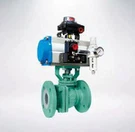
For instance, in a pipeline system transporting natural gas, a PFA Lined Plug Valve in the full open position can ensure efficient and uninterrupted flow, minimizing energy losses due to pressure drop. The PFA lining also provides excellent corrosion resistance, making it suitable for handling corrosive gases.
Partial Open Positions
When a plug valve is in a partial open position, the passageway in the plug is only partially aligned with the ports. This creates a restriction in the flow path, reducing the flow rate and increasing the pressure drop. The degree of restriction depends on the angle of rotation of the plug. As the plug is rotated further from the full open position, the flow area decreases, and the resistance to flow increases.
In some applications, partial open positions are used to regulate the flow rate. For example, in a chemical processing plant, a lubricated plug valve can be adjusted to a partial open position to control the flow of a reactant into a reactor. The lubrication in the valve helps to reduce friction and wear, ensuring smooth operation even in the partial open position.
However, it's important to note that operating a plug valve in a partial open position for an extended period can lead to several issues. The increased pressure drop can result in higher energy consumption, as more energy is required to push the fluid through the restricted flow path. Additionally, the high-velocity flow through the restricted area can cause erosion and cavitation, which can damage the valve and reduce its lifespan.
Full Closed Position
The full closed position of a plug valve is when the passageway in the plug is perpendicular to the ports, completely blocking the flow of fluid. In this position, the plug valve provides a tight shut-off, preventing any leakage. The tight seal is achieved through the contact between the plug and the valve body, which is often enhanced by the use of seals or lubricants.
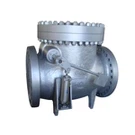
A Lift Type Plug Valve is particularly effective in providing a reliable shut-off in the full closed position. The lift mechanism allows the plug to be lifted slightly off the seat before rotation, reducing friction and wear during operation. This ensures a long-lasting and leak-free shut-off, making it suitable for applications where zero leakage is critical, such as in high-pressure gas pipelines.
Impact on System Efficiency
The position of a plug valve has a significant impact on the overall efficiency of a fluid system. By choosing the appropriate valve position, operators can optimize the flow rate, minimize pressure drop, and reduce energy consumption. For example, in a water distribution system, using plug valves in the full open position whenever possible can help to reduce pumping costs by minimizing pressure losses.
On the other hand, improper valve positioning can lead to inefficiencies and increased operating costs. Operating a valve in a partial open position for extended periods can cause excessive wear and tear, leading to frequent maintenance and replacement. This not only increases the cost of ownership but also disrupts the normal operation of the system.
Considerations for Flow Control
When using plug valves for flow control, several factors need to be considered. Firstly, the type of fluid being handled is crucial. Different fluids have different properties, such as viscosity, corrosiveness, and temperature, which can affect the performance of the valve. For example, highly viscous fluids may require a larger flow area to ensure smooth flow, while corrosive fluids may need a valve with appropriate corrosion-resistant materials.
Secondly, the operating conditions of the system, such as pressure and temperature, also play a role in determining the suitable valve position. High-pressure applications may require a valve with a more robust design and a tight shut-off in the closed position. Similarly, high-temperature applications may need a valve that can withstand thermal expansion and contraction without compromising its performance.
Finally, the control requirements of the system need to be taken into account. Some applications may require precise flow control, while others may only need on-off control. In cases where precise control is needed, a valve with a more accurate positioning mechanism, such as a pneumatic or electric actuator, may be required.
Conclusion
In conclusion, the position of a plug valve has a profound influence on flow control in a fluid system. The full open position offers maximum flow rate and minimum pressure drop, while the full closed position provides a tight shut-off. Partial open positions can be used for flow regulation, but they need to be carefully managed to avoid inefficiencies and damage to the valve.
As a plug valve supplier, we understand the importance of providing high-quality valves that can meet the diverse needs of our customers. Our range of PFA Lined Plug Valve, lubricated plug valve, and Lift Type Plug Valve are designed to offer reliable performance and efficient flow control in various applications.
If you're looking for a plug valve solution for your flow control needs, we'd love to hear from you. Contact us today to discuss your requirements and explore how our plug valves can enhance the efficiency and reliability of your fluid system.
References
- "Valve Handbook: A Guide to Valve Selection, Specification, and Application" by Valve Manufacturers Association
- "Fluid Mechanics and Thermodynamics of Turbomachinery" by S. L. Dixon
- "Handbook of Valves" by J. A. Zappe