

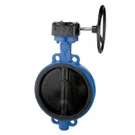
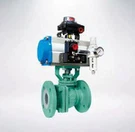
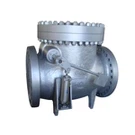
Erosion is a critical concern in many industrial applications, especially those involving the flow of fluids containing solid particles, high - velocity fluids, or corrosive substances. As a leading butterfly valve supplier, understanding the erosion resistance of butterfly valves is of utmost importance. In this blog, we will delve into what erosion resistance means for butterfly valves, the factors affecting it, and how our products are designed to withstand erosion.
What is Erosion Resistance in Butterfly Valves?
Erosion resistance refers to the ability of a butterfly valve to resist the wear and tear caused by the flow of fluid over its surfaces. When a fluid, which may carry abrasive particles, passes through a valve, it exerts forces on the valve components. These forces can cause the material of the valve to gradually wear away, leading to reduced performance, leakage, and ultimately, valve failure.
A butterfly valve with high erosion resistance can maintain its structural integrity, sealing properties, and flow - control capabilities even when exposed to erosive conditions for an extended period. This is crucial for industries such as mining, power generation, chemical processing, and oil and gas, where the cost of valve replacement and downtime can be extremely high.
Factors Affecting the Erosion Resistance of Butterfly Valves
1. Material Selection
The choice of materials for a butterfly valve plays a fundamental role in its erosion resistance. Different materials have different hardness, toughness, and corrosion - resistant properties.
-
Metallic Materials: Stainless steel is a commonly used material in butterfly valves due to its good corrosion resistance and moderate hardness. Alloy steels can be used in more demanding applications, as they offer higher strength and better erosion resistance. For instance, in applications with high - velocity fluid flow or abrasive particles, stellite - coated valve components can provide excellent erosion resistance. Stellite is a cobalt - chromium alloy with high hardness and wear resistance.
-
Non - metallic Materials: In some cases, non - metallic materials such as rubber or PTFE (polytetrafluoroethylene) are used for the valve seats. Soft seat butterfly valves, which typically use elastomeric seats, are suitable for applications where low - pressure sealing and moderate erosion resistance are required. However, these materials may not be as resistant to erosion as metallic materials and are more suitable for clean fluid applications.
2. Valve Design
The design of the butterfly valve can also significantly affect its erosion resistance.
-
Disc Shape: The shape of the valve disc can influence the flow pattern of the fluid through the valve. A well - designed disc can reduce turbulence and direct the fluid flow in a way that minimizes the impact of the fluid and particles on the valve components. For example, a streamlined disc shape can help to reduce the formation of eddies and vortices, which can cause localized erosion.
-
Sealing Mechanism: The sealing mechanism of the valve is another important design factor. A proper sealing design can prevent the leakage of fluid and particles between the valve disc and the seat, reducing the potential for erosion at the sealing interface. Metal To Metal Butterfly Valve With Bidirectional Sealing is designed to provide a reliable seal even in high - pressure and erosive environments. The metal - to - metal contact between the disc and the seat offers better resistance to wear compared to soft - seated valves in certain applications.
-
Eccentricity: Eccentric butterfly valves, such as triple offset Butterfly Valve, are designed with multiple offsets. This design feature allows the valve to open and close with minimal contact between the disc and the seat, reducing wear and erosion during operation. The triple - offset design also provides a tight seal, making it suitable for applications with high - pressure differentials and erosive fluids.
3. Fluid Characteristics
The characteristics of the fluid flowing through the valve, such as its velocity, particle size, concentration, and corrosiveness, have a significant impact on erosion resistance.


-
Fluid Velocity: Higher fluid velocities can increase the kinetic energy of the fluid and particles, leading to more severe erosion. At high velocities, the impact force of the particles on the valve surfaces is greater, causing more rapid material removal. Therefore, in applications with high - velocity fluid flow, it is necessary to select a valve with higher erosion resistance.
-
Particle Size and Concentration: Larger and more abrasive particles can cause more damage to the valve surfaces. Similarly, a higher concentration of particles in the fluid means more contact between the particles and the valve, increasing the likelihood of erosion. In applications where the fluid contains a high concentration of abrasive particles, special valve designs and materials may be required.
-
Corrosiveness: Corrosive fluids can weaken the valve material, making it more susceptible to erosion. In such cases, the valve material must have good corrosion resistance to maintain its erosion - resistant properties. For example, in chemical processing plants where corrosive acids or alkalis are handled, valves made of corrosion - resistant alloys or lined with corrosion - resistant materials are often used.
How Our Butterfly Valves Ensure Erosion Resistance
As a professional butterfly valve supplier, we are committed to providing high - quality valves with excellent erosion resistance.
-
Advanced Material Technology: We use the latest material technologies to select the most suitable materials for each application. Our engineers conduct detailed material analysis based on the specific fluid characteristics and operating conditions. For applications with high - velocity and abrasive fluids, we may use high - strength alloy steels or apply wear - resistant coatings such as tungsten carbide or ceramics to the valve components.
-
Innovative Design Solutions: Our valve designs are optimized to reduce erosion. We use computational fluid dynamics (CFD) simulations to analyze the flow pattern through the valve and make adjustments to the disc shape, seat design, and other components. Our triple offset Butterfly Valve is a prime example of our innovative design. Its unique triple - offset configuration ensures smooth operation and minimal wear on the valve components.
-
Rigorous Quality Control: We implement strict quality control measures throughout the manufacturing process. Each valve undergoes comprehensive testing to ensure its erosion resistance and performance. We test the valves under simulated operating conditions to verify their ability to withstand the erosive effects of the fluid.
Conclusion
Erosion resistance is a crucial factor in the performance and longevity of butterfly valves. By understanding the factors affecting erosion resistance and taking appropriate measures in material selection, valve design, and quality control, we can provide butterfly valves that meet the demanding requirements of various industries.
If you are looking for reliable butterfly valves with high erosion resistance for your industrial applications, we are here to help. Our team of experts can provide you with customized solutions based on your specific needs. Contact us to start a purchase negotiation and find the perfect butterfly valves for your projects.
References
- ASME B16.34 - 2019, Valves - Flanged, Threaded, and Welding End.
- API 609 - 2017, Butterfly Valves, Double - Flanged, Lug - Type, and Wafer - Type.
- ISO 5752 - 2018, Flanges for pipes, valves, fittings and accessories - Selection of standards for mating flanges.