

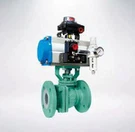
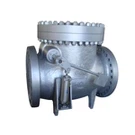
As a seasoned check valve supplier, I've witnessed firsthand how the installation orientation of a check valve can significantly influence its performance, efficiency, and overall functionality. In this blog post, I'll delve into the various impacts of installation orientation on check valves, drawing on my years of experience in the industry.
Understanding the Basics of Check Valves
Before we explore the impact of installation orientation, let's briefly review what check valves are and how they work. Check valves are mechanical devices designed to allow fluid to flow in one direction only, preventing backflow. They are commonly used in a wide range of applications, including water treatment plants, oil and gas pipelines, and industrial processes.
There are several types of check valves, each with its own unique design and operating principle. Some of the most common types include swing check valves, lift check valves, ball check valves, and diaphragm check valves. The choice of check valve depends on the specific application requirements, such as the type of fluid, flow rate, pressure, and temperature.
Impact of Installation Orientation on Check Valve Performance
The installation orientation of a check valve can have a profound impact on its performance. Here are some of the key factors to consider:
1. Flow Direction
The most obvious impact of installation orientation is on the flow direction. Check valves are designed to allow fluid to flow in one direction only, and installing them in the wrong orientation can prevent the valve from functioning properly. For example, if a swing check valve is installed backwards, the disc will not open to allow fluid to flow through, resulting in a blockage.
2. Pressure Drop
The installation orientation can also affect the pressure drop across the check valve. In general, check valves are designed to minimize pressure drop when the fluid is flowing in the correct direction. However, if the valve is installed in an orientation that causes excessive turbulence or resistance, the pressure drop can increase significantly. This can lead to reduced flow rates, increased energy consumption, and potential damage to the valve or other components in the system.
3. Valve Sealing
Proper sealing is crucial for the performance of check valves. The installation orientation can affect the sealing ability of the valve by influencing the alignment of the sealing surfaces. For example, if a lift check valve is installed at an angle, the disc may not seat properly, resulting in leakage. This can lead to reduced efficiency, increased maintenance costs, and potential safety hazards.
4. Valve Operation
The installation orientation can also impact the operation of the check valve. Some check valves, such as swing check valves, rely on gravity to close properly. If these valves are installed in a horizontal position, the disc may not close fully, allowing backflow to occur. In addition, the orientation of the valve can affect the opening and closing times, which can impact the overall performance of the system.
Specific Considerations for Different Types of Check Valves
The impact of installation orientation can vary depending on the type of check valve. Here are some specific considerations for different types of check valves:
1. Swing Check Valves
Swing check valves are one of the most common types of check valves. They consist of a disc that swings on a hinge to allow fluid to flow in one direction and prevent backflow. The installation orientation of swing check valves is critical, as they rely on gravity to close properly. Swing check valves should be installed in a vertical position with the flow direction from bottom to top. This ensures that the disc will close fully when the flow stops, preventing backflow.
If a swing check valve is installed in a horizontal position, the disc may not close fully, allowing backflow to occur. In addition, horizontal installation can cause the disc to flutter, which can lead to premature wear and damage to the valve. For more information on swing check valves, you can visit our Damping Device check valve page.
2. Lift Check Valves
Lift check valves use a disc that moves up and down to allow fluid to flow in one direction and prevent backflow. The installation orientation of lift check valves is less critical than that of swing check valves, as they do not rely on gravity to close. However, lift check valves should still be installed in a vertical position with the flow direction from bottom to top to ensure proper operation.


If a lift check valve is installed at an angle, the disc may not seat properly, resulting in leakage. In addition, horizontal installation can cause the disc to stick, which can prevent the valve from opening and closing properly. For more information on lift check valves, you can visit our pressure seal check valve page.
3. Ball Check Valves
Ball check valves use a ball to seal the valve and prevent backflow. The installation orientation of ball check valves is relatively flexible, as they can be installed in both horizontal and vertical positions. However, it is important to ensure that the ball is free to move and that the valve is properly aligned to prevent leakage.
If a ball check valve is installed in a position where the ball is not free to move, it may not close properly, allowing backflow to occur. In addition, improper alignment can cause the ball to wear unevenly, which can lead to premature failure of the valve. For more information on ball check valves, you can visit our Ball Float Pattern Rubber Lined Check Valve page.
Best Practices for Check Valve Installation
To ensure optimal performance and longevity of check valves, it is important to follow best practices for installation. Here are some key tips:
1. Read the Manufacturer's Instructions
Before installing a check valve, carefully read the manufacturer's instructions. The instructions will provide specific information on the installation orientation, recommended torque values, and other important details.
2. Use the Right Tools
Make sure you have the right tools for the job. This may include wrenches, pliers, and other specialized tools. Using the wrong tools can damage the valve or other components in the system.
3. Check the Valve for Damage
Before installing the check valve, inspect it for any damage or defects. This includes checking the sealing surfaces, the disc, and the hinge (if applicable). If you notice any damage, do not install the valve and contact the manufacturer for a replacement.
4. Install the Valve in the Correct Orientation
As discussed earlier, the installation orientation is critical for the performance of check valves. Make sure you install the valve in the correct orientation, following the manufacturer's instructions.
5. Test the Valve
After installing the check valve, test it to ensure that it is functioning properly. This may involve opening and closing the valve, checking for leaks, and monitoring the flow rate and pressure.
Conclusion
In conclusion, the installation orientation of a check valve can have a significant impact on its performance, efficiency, and overall functionality. As a check valve supplier, I recommend that you carefully consider the installation orientation when selecting and installing a check valve. By following best practices and using the right type of valve for your application, you can ensure optimal performance and longevity of your check valve.
If you have any questions or need further assistance with check valve selection or installation, please don't hesitate to contact us. We are here to help you find the right solution for your needs.
References
- Crane Co., "Flow of Fluids Through Valves, Fittings, and Pipe," Technical Paper No. 410.
- ASME B16.34, "Valves - Flanged, Threaded, and Welding End."
- API 6D, "Pipeline Valves - Specification for Pipeline Valves."