

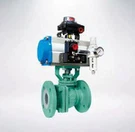
In the food industry, the selection of valves is critical to ensuring product quality, safety, and compliance with strict regulatory standards. Soft seated ball valves are commonly used in food - grade applications due to their excellent sealing properties, smooth operation, and suitability for a wide range of media. As a supplier of Soft Seated Ball Valve, I understand the importance of meeting the specific requirements of these applications. This blog will explore the key requirements for soft seated ball valves in food - grade applications.


Material Requirements
The materials used in soft seated ball valves for food - grade applications must be non - toxic, inert, and resistant to corrosion and chemical attack. This ensures that the valve does not contaminate the food product and can withstand the harsh cleaning and sanitization processes typically employed in the food industry.
Body and Trim Materials
The valve body and trim are usually made of stainless steel, such as 304 or 316L. These grades of stainless steel are corrosion - resistant and have excellent mechanical properties. They are also easy to clean and polish, which helps to prevent the accumulation of bacteria and other contaminants.
For some applications where the media is less corrosive, other materials like aluminum or brass may be used, but they must still meet the food - grade standards. For example, any coating or plating on these materials should be non - toxic and food - safe.
Seat and Seal Materials
The seat and seal materials are crucial as they come into direct contact with the food product. Common seat materials for soft seated ball valves in food - grade applications include PTFE (polytetrafluoroethylene), EPDM (ethylene propylene diene monomer), and NBR (nitrile butadiene rubber).
PTFE is a popular choice because it is chemically inert, has a low friction coefficient, and can withstand a wide range of temperatures. It is also resistant to most chemicals used in the food industry, including acids, bases, and solvents.
EPDM is known for its excellent resistance to steam, water, and many food - related substances. It has good elasticity, which allows for a tight seal, and it can operate at relatively high temperatures.
NBR is suitable for applications where the media contains oils or fats. It has good abrasion resistance and can maintain its sealing properties over a long period.
Design Requirements
The design of soft seated ball valves for food - grade applications should minimize the risk of product entrapment, dead spaces, and crevices where bacteria can grow.
Smooth Internal Surfaces
The internal surfaces of the valve, including the ball, seat, and body cavity, should be smooth and polished to a high finish. This not only prevents the accumulation of food particles and bacteria but also makes the valve easier to clean. A smooth surface finish also reduces the risk of product contamination.
Full - Port Design
A full - port or full - bore design is preferred in food - grade applications. This means that the internal diameter of the valve is the same as the pipeline diameter. A full - port design allows for unobstructed flow, which reduces pressure drop and minimizes the risk of product build - up within the valve.
Sanitary Connections
Soft seated ball valves for the food industry are typically equipped with sanitary connections, such as Tri - Clamp or DIN connections. These connections are designed to be easily disassembled and reassembled for cleaning and maintenance. They also provide a tight, leak - free seal, which is essential for preventing product contamination.
Performance Requirements
Soft seated ball valves in food - grade applications must meet certain performance criteria to ensure reliable and efficient operation.
Sealing Performance
The valve must provide a tight seal to prevent leakage of the food product. This is particularly important in applications where the product is under pressure or where cross - contamination between different products needs to be avoided. The seat material should be able to maintain its sealing properties over a wide range of temperatures and pressures.
Flow Control
Accurate flow control is often required in food - grade applications. The valve should be able to regulate the flow of the food product precisely, whether it is a liquid, slurry, or gas. This requires a valve with a smooth and precise actuation mechanism.
Durability
The valve must be durable enough to withstand the frequent opening and closing cycles, as well as the harsh cleaning and sanitization processes. The materials used in the valve should be resistant to wear and tear, and the valve should be designed to have a long service life.
Regulatory and Certification Requirements
The food industry is highly regulated, and soft seated ball valves used in food - grade applications must comply with various national and international standards.
FDA Compliance
In the United States, valves used in food - grade applications must comply with the regulations set by the Food and Drug Administration (FDA). The FDA has specific requirements regarding the materials that can come into contact with food, including limits on the migration of substances from the valve materials into the food product.
European Hygienic Engineering and Design Group (EHEDG)
In Europe, the EHEDG provides guidelines and certification for equipment used in the food industry. The EHEDG certification ensures that the valve is designed and constructed in a way that meets the highest hygiene standards.
3 - A Sanitary Standards
The 3 - A Sanitary Standards are widely used in the dairy and food industries in North America. These standards define the requirements for equipment that comes into contact with food products, including valves.
Comparison with Other Types of Ball Valves
It is also important to understand how soft seated ball valves compare with other types of ball valves, such as Metal Seated Ball Valve and Trunnion Mounted Ball Valve, in food - grade applications.
Metal seated ball valves are typically used in high - temperature and high - pressure applications where soft seats would not be suitable. However, in food - grade applications, the risk of metal particles shedding into the food product can be a concern, so metal seated ball valves are not as commonly used.
Trunnion mounted ball valves are designed for large - diameter and high - pressure applications. They are more suitable for industrial applications where the media is less sensitive. In food - grade applications, the complexity and potential for crevices in trunnion mounted ball valves may make them less attractive compared to soft seated ball valves.
Conclusion
Soft seated ball valves play a crucial role in food - grade applications, and meeting the requirements for materials, design, performance, and regulatory compliance is essential. As a supplier of soft seated ball valves, we are committed to providing high - quality products that meet these strict standards.
If you are in the food industry and are looking for reliable soft seated ball valves, we would be delighted to engage in discussions with you. We can offer customized solutions based on your specific needs and ensure that our products meet all the necessary requirements for your food - grade applications. Please reach out to us for further details and to start a procurement negotiation.
References
- "Food - Grade Materials for Valves in the Food Industry", Journal of Food Processing Engineering.
- "Regulatory Requirements for Food Equipment", Food and Drug Administration Publications.
- "Design Guidelines for Hygienic Valves", European Hygienic Engineering and Design Group Reports.