

Gate valves are essential components in various industries, controlling the flow of liquids and gases through pipelines. As a leading gate valve supplier, we understand the importance of providing high-quality products that meet industry standards and customer requirements. One of the critical aspects of gate valves is their size range, which directly impacts their performance and suitability for different applications. In this blog post, we will explore the standard size range of gate valves, factors influencing size selection, and how our products fit into this spectrum.
Understanding Gate Valve Sizes
Gate valve sizes are typically specified by their nominal pipe size (NPS) in inches or by the metric equivalent, such as DN (diamètre nominal). The nominal size refers to the approximate inside diameter of the pipe that the valve is designed to fit. For instance, a 2-inch gate valve is intended for use with a 2-inch nominal pipe size. However, it's important to note that the actual dimensions of the valve may vary slightly from the nominal size due to manufacturing tolerances and design requirements.
The standard size range of gate valves can vary depending on the industry and application. In general, gate valves are available in sizes ranging from 1/2 inch (DN 15) to 72 inches (DN 1800) or even larger in some cases. Smaller gate valves, typically in the range of 1/2 inch to 6 inches (DN 15 - DN 150), are commonly used in residential, commercial, and light industrial applications, such as plumbing systems, HVAC systems, and small-scale process pipelines. These valves are often made of materials like brass, bronze, or cast iron and are suitable for low to medium-pressure applications.
Medium-sized gate valves, ranging from 8 inches to 24 inches (DN 200 - DN 600), are widely used in industrial settings, including oil and gas refineries, power plants, water treatment facilities, and chemical processing plants. These valves are typically made of more robust materials, such as cast steel or forged steel, to withstand higher pressures and temperatures. They are designed to handle larger volumes of fluid flow and are often used in critical applications where reliable shut-off is essential.


Large gate valves, with sizes exceeding 24 inches (DN 600), are primarily used in large-scale infrastructure projects, such as water supply systems, sewage treatment plants, and major pipeline networks. These valves are typically custom-designed and manufactured to meet specific project requirements and may be made of high-strength materials like stainless steel or alloy steel. They are often equipped with advanced features, such as electric or hydraulic actuators, to facilitate remote operation and control.
Factors Influencing Gate Valve Size Selection
Several factors need to be considered when selecting the appropriate size of a gate valve for a specific application. These factors include:
- Flow Rate: The flow rate of the fluid through the pipeline is one of the most critical factors in determining the valve size. A valve that is too small may restrict the flow and cause excessive pressure drop, while a valve that is too large may be inefficient and costly. The flow rate can be calculated based on the pipeline diameter, fluid velocity, and the required volume of fluid to be transported.
- Pressure Rating: The pressure rating of the valve must be compatible with the operating pressure of the pipeline. Higher pressure applications require valves with thicker walls and stronger materials to prevent leakage and ensure safe operation. The pressure rating is typically specified in pounds per square inch (psi) or bar.
- Temperature: The operating temperature of the fluid can also affect the valve size selection. High-temperature applications may require valves made of materials that can withstand thermal expansion and contraction without losing their integrity. Special coatings or insulation may also be necessary to protect the valve from extreme temperatures.
- Pipe Size and Configuration: The size and configuration of the pipeline, including the number of bends, elbows, and fittings, can impact the valve size. Valves should be selected to match the pipe size and ensure a proper fit. In some cases, reducers or expanders may be required to connect the valve to the pipeline.
- Application Requirements: The specific requirements of the application, such as the type of fluid being transported (e.g., water, oil, gas, chemicals), the frequency of operation, and the need for quick shut-off or throttling, can also influence the valve size selection. For example, applications that require frequent operation may benefit from valves with lower torque requirements and faster opening and closing times.
Our Range of Gate Valve Sizes
As a gate valve supplier, we offer a wide range of gate valves in various sizes and configurations to meet the diverse needs of our customers. Our product portfolio includes soft seat gate valve, Ceramic Lined Gate Valve, and Cast Steel Gate Valves, among others.
Our soft seat gate valves are designed with a resilient rubber seat that provides a tight seal and excellent corrosion resistance. They are available in sizes ranging from 2 inches to 24 inches (DN 50 - DN 600) and are suitable for a wide range of applications, including water supply, sewage treatment, and industrial processes.
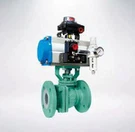
Our Ceramic Lined Gate Valves are ideal for applications involving abrasive or corrosive fluids. The ceramic lining provides excellent wear resistance and extends the service life of the valve. These valves are available in sizes ranging from 4 inches to 12 inches (DN 100 - DN 300) and are commonly used in mining, power generation, and chemical processing industries.
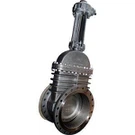
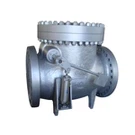
Our Cast Steel Gate Valves are made of high-quality cast steel and are designed to withstand high pressures and temperatures. They are available in sizes ranging from 6 inches to 48 inches (DN 150 - DN 1200) and are suitable for a variety of industrial applications, including oil and gas, petrochemical, and power generation.
Conclusion
In conclusion, the standard size range of gate valves varies from 1/2 inch to 72 inches or larger, depending on the industry and application. Selecting the appropriate size of a gate valve is crucial to ensure optimal performance, efficiency, and safety. By considering factors such as flow rate, pressure rating, temperature, pipe size, and application requirements, you can choose the right valve for your specific needs.
As a trusted gate valve supplier, we are committed to providing high-quality products that meet the highest industry standards. Our extensive range of gate valves in various sizes and configurations ensures that we can offer solutions for a wide range of applications. If you have any questions or need assistance in selecting the right gate valve for your project, please do not hesitate to contact us. We look forward to the opportunity to discuss your requirements and provide you with the best possible solutions.
References
- ASME B16.34 - Valves - Flanged, Threaded, and Welding End
- API 600 - Steel Gate Valves - Flanged and Butt - Welding Ends, Bolted Bonnet
- MSS SP - 70 - Cast Iron Gate, Globe, and Check Valves