

The installation orientation of a Pressure Relief Valve (PRV) is a critical factor that significantly impacts its performance, reliability, and safety. As a leading supplier of Pressure Relief Valves, we understand the importance of proper installation orientation and its implications for various industrial applications. In this blog post, we will explore how the orientation of installation affects a Pressure Relief Valve and why it matters in ensuring optimal functionality.
Understanding Pressure Relief Valves
Before delving into the effects of installation orientation, let's briefly review what a Pressure Relief Valve is and how it works. A Pressure Relief Valve is a safety device designed to automatically release excess pressure from a system when it exceeds a predetermined set point. This helps prevent over - pressurization, which can lead to equipment damage, leaks, and even catastrophic failures.
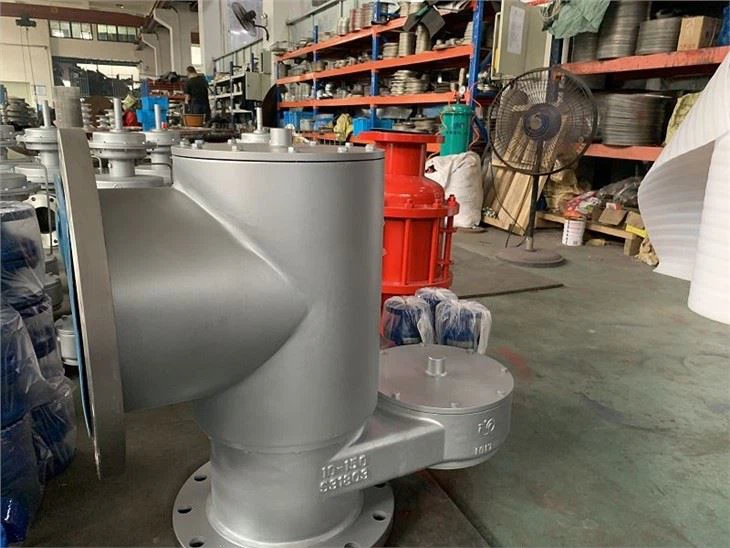
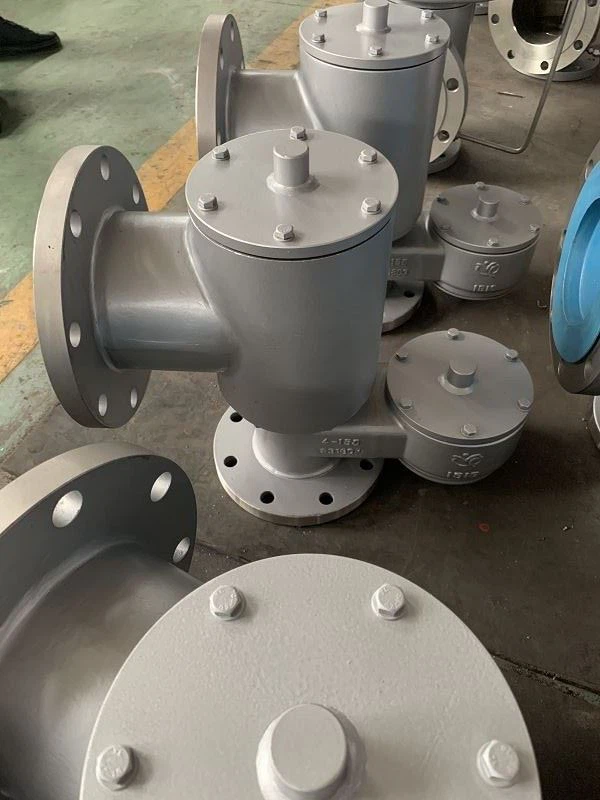
There are different types of Pressure Relief Valves, including Pressure Vacuum Relief Valve, which can handle both over - pressure and vacuum conditions, and Steamed Pressure Relief Valve Safety Valve, specifically designed for steam systems. Each type has unique characteristics and requirements for proper installation.
Effect of Installation Orientation on Valve Operation
Gravity and Seat Leakage
One of the primary ways installation orientation affects a Pressure Relief Valve is through the influence of gravity on seat leakage. In a properly functioning PRV, the valve seat must form a tight seal to prevent leakage under normal operating conditions. When the valve is installed in a non - optimal orientation, gravity can cause debris, dirt, or condensate to accumulate on the seat, compromising the seal.
For example, if a PRV is installed horizontally, gravity may cause liquids or solids to settle on the seat, leading to gradual seat damage and increased leakage. On the other hand, a vertical installation with the valve in the correct upright position allows gravity to assist in keeping the seat clean and free from debris, reducing the risk of leakage and ensuring a more reliable seal.
Spring and Disc Movement
The orientation of installation also impacts the movement of the valve's spring and disc. The spring in a PRV is responsible for maintaining the valve in a closed position until the pressure reaches the set point. When the valve is installed at an incorrect angle, the spring may not operate as intended, leading to inconsistent opening and closing pressures.
If the valve is tilted or installed in a non - vertical position, the spring may experience uneven forces, causing it to bind or deflect in an abnormal way. This can result in the valve opening at a different pressure than the set point or failing to open at all when needed. Additionally, the disc, which is the component that seals the valve opening, may not move smoothly if the valve is not installed correctly, further affecting the valve's performance.
Fluid Flow and Discharge
Proper installation orientation is crucial for ensuring efficient fluid flow through the Pressure Relief Valve and effective discharge of the excess pressure. When a PRV is installed in an optimal orientation, the fluid can flow freely through the valve, minimizing pressure drop and maximizing the valve's capacity to relieve pressure.
In contrast, an improper installation orientation can cause flow restrictions, such as turbulence or eddies, which can reduce the valve's flow capacity. This can lead to a slower response time when the valve needs to open and discharge the excess pressure, potentially putting the system at risk. Moreover, the discharge of the relieved fluid may be affected if the valve is not installed correctly, causing the fluid to be directed in an undesirable direction or not discharged at all.
Impact on Different Types of Pressure Relief Valves
Pressure Vacuum Relief Valve
Pressure Vacuum Relief Valves are designed to protect systems from both over - pressure and vacuum conditions. The installation orientation of these valves is particularly important as they need to function correctly in two different operating modes.
For a Pressure Vacuum Relief Valve, a vertical installation is often recommended to ensure proper operation in both pressure and vacuum situations. In a vertical orientation, the valve can respond more quickly to changes in pressure and vacuum, as the components are properly aligned to handle the forces acting on them. Additionally, a vertical installation helps prevent the accumulation of debris in the valve, which could otherwise interfere with its ability to relieve either over - pressure or vacuum.
Steamed Pressure Relief Valve Safety Valve
Steamed Pressure Relief Valves are commonly used in steam systems, where proper installation orientation is essential for reliable operation. Steam systems are prone to the formation of condensate, which can cause problems if not properly managed.
A vertical installation of a Steamed Pressure Relief Valve is preferred to allow the condensate to drain freely from the valve. If the valve is installed horizontally, condensate can accumulate inside the valve, leading to corrosion, erosion, and reduced performance. Moreover, in a steam system, the vertical orientation helps ensure that the valve can respond quickly to changes in steam pressure, providing reliable protection against over - pressurization.
Importance of Proper Installation in Industrial Applications
In industrial settings, the proper installation orientation of Pressure Relief Valves is not just a matter of performance but also a critical safety concern. A malfunctioning PRV due to improper installation can lead to serious consequences, including equipment damage, production downtime, and even endangerment of personnel.
Many industries, such as oil and gas, chemical processing, and power generation, rely on Pressure Relief Valves to protect their systems from over - pressurization. In these high - risk environments, a single valve failure can have far - reaching implications. For example, in an oil refinery, a faulty PRV could lead to a pressure build - up in a storage tank, potentially causing an explosion or a leak of hazardous materials.
Therefore, it is essential for industries to ensure that their Pressure Relief Valves are installed by trained professionals who understand the importance of proper orientation. Regular inspections and maintenance should also be carried out to monitor the valve's performance and address any issues related to installation or operation.
Conclusion
In conclusion, the orientation of installation has a profound impact on the performance, reliability, and safety of a Pressure Relief Valve. Gravity, spring and disc movement, fluid flow, and discharge are all affected by the way the valve is installed. Different types of Pressure Relief Valves, such as Pressure Vacuum Relief Valve and Steamed Pressure Relief Valve Safety Valve, have specific requirements for installation orientation to ensure optimal operation.
As a Pressure Relief Valve supplier, we are committed to providing our customers with high - quality valves and expert advice on installation and maintenance. If you are in need of Pressure Relief Valves for your industrial applications or have any questions about installation orientation, please do not hesitate to contact us for a detailed consultation. We are here to help you ensure the safety and efficiency of your systems.
References
- API Standard 520, “Sizing, Selection, and Installation of Pressure - Relieving Devices in Refineries”
- ASME Boiler and Pressure Vessel Code, Section VIII, Division 1, “Rules for Construction of Pressure Vessels”
- ISO 4126 - 1, “Safety devices for protection against excessive pressure - Part 1: Safety valves”