

Can Diaphragm Valves be used in gas systems?
Hey there! I'm a supplier of diaphragm valves, and I often get asked this question: Can diaphragm valves be used in gas systems? Well, let's dive right in and find out.
First off, what are diaphragm valves? They're pretty cool pieces of equipment. A diaphragm valve uses a flexible diaphragm to control the flow of fluid or gas through a valve body. The diaphragm separates the flow path from the actuator, which means there's less risk of leakage and contamination.
Now, onto the big question - can they be used in gas systems? The short answer is yes, they can. But, as with most things in the world of engineering, there are some factors to consider.
Advantages of Using Diaphragm Valves in Gas Systems
One of the main advantages of using diaphragm valves in gas systems is their excellent sealing capabilities. The diaphragm creates a tight seal, which helps prevent gas leakage. This is super important, especially when dealing with gases that are flammable, toxic, or otherwise hazardous. You definitely don't want any of that stuff escaping into the environment.
Another plus is that diaphragm valves are relatively easy to operate. They can be opened and closed with a simple turn of a handle or the activation of an actuator. This makes them a great choice for applications where quick and easy flow control is needed.
Diaphragm valves also have a low profile and a compact design. This means they can be installed in tight spaces, which is often a requirement in gas systems where space is at a premium.
Types of Diaphragm Valves Suitable for Gas Systems
There are different types of diaphragm valves that can be used in gas systems. One popular type is the Straight Type Diaphragm Valve. This valve has a straight-through flow path, which minimizes pressure drop and allows for a smooth flow of gas. It's a great option for applications where a high flow rate is required.
The Weir Type Diaphragm Valve is another option. It has a weir or a raised ridge in the valve body, which provides a better shut-off than the straight type. This makes it ideal for applications where a tight seal is necessary, such as in gas storage or distribution systems.
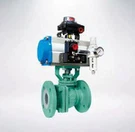
For applications where chemical resistance is important, a Teflon lined diaphragm valve can be a good choice. Teflon is highly resistant to a wide range of chemicals, so it can handle corrosive gases without getting damaged.


Considerations When Using Diaphragm Valves in Gas Systems
While diaphragm valves have many advantages for gas systems, there are also some things to keep in mind.
One thing is the material of the diaphragm. Different materials have different properties, and you need to choose the right one for your specific gas application. For example, if you're dealing with a highly reactive gas, you'll need a diaphragm material that can resist corrosion and chemical attack.
The pressure and temperature ratings of the valve are also crucial. Gas systems can operate at a wide range of pressures and temperatures, and the diaphragm valve needs to be able to handle these conditions. Make sure to check the specifications of the valve to ensure it's suitable for your system.
Another consideration is the flow rate. Diaphragm valves have a limited flow capacity, so you need to make sure that the valve you choose can handle the required flow rate of your gas system. If the flow rate is too high, the valve may not be able to open fully, which can lead to a significant pressure drop and reduced efficiency.
Real - World Applications
Diaphragm valves are used in a variety of gas system applications. In the natural gas industry, they're used in pipelines, storage facilities, and distribution networks. They help control the flow of natural gas, ensuring that it's delivered safely and efficiently to consumers.
In the semiconductor manufacturing industry, diaphragm valves are used in gas delivery systems. They're used to control the flow of specialty gases, such as nitrogen, oxygen, and hydrogen, which are used in the manufacturing process. The tight sealing and chemical resistance of diaphragm valves make them ideal for these applications.
In the medical industry, diaphragm valves are used in gas delivery systems for anesthesia and respiratory therapy. They help control the flow of medical gases, such as oxygen and nitrous oxide, ensuring that patients receive the correct amount of gas at the right time.
Maintenance and Longevity
To ensure that diaphragm valves work properly in gas systems, regular maintenance is essential. This includes inspecting the diaphragm for wear and tear, checking the seals for leaks, and lubricating the moving parts if necessary.
The lifespan of a diaphragm valve depends on several factors, such as the frequency of use, the operating conditions, and the quality of the valve. With proper maintenance, a diaphragm valve can last for many years, providing reliable service in your gas system.
Conclusion
So, can diaphragm valves be used in gas systems? Absolutely! They offer many advantages, such as excellent sealing, easy operation, and a compact design. However, you need to carefully consider factors like the type of valve, the diaphragm material, the pressure and temperature ratings, and the flow rate.
If you're in the market for diaphragm valves for your gas system, I'd love to help. I've got a wide range of high - quality diaphragm valves that are suitable for various gas applications. Whether you need a straight type, a weir type, or a Teflon lined diaphragm valve, I can provide you with the right solution. Don't hesitate to reach out to me for more information or to start a discussion about your specific needs. Let's work together to find the perfect diaphragm valve for your gas system.
References
- "Valve Handbook" by J. H. Perry
- "Gas System Design and Operation" by R. M. Smith
- Industry reports on diaphragm valve applications in gas systems