

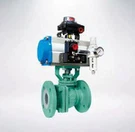
Hey there! As a supplier of PFA lined ball valves, I've seen firsthand how important it is to maintain these valves properly. PFA lined ball valves are widely used in various industries due to their excellent corrosion resistance and durability. But like any other equipment, they need regular care to ensure they keep working smoothly. In this blog, I'm gonna share some tips on how to maintain a PFA lined ball valve.
Regular Inspection
First things first, regular inspection is key. You should visually check the valve on a routine basis. Look for any signs of damage, such as cracks in the PFA lining or the valve body. Check the seals and gaskets for wear and tear. A damaged seal can lead to leaks, which can be a real headache. If you notice any issues during the inspection, it's important to address them right away.
Also, pay attention to the operating torque of the valve. If you find that it's getting harder to turn the valve handle, it could be a sign of internal problems. Maybe there's some debris stuck inside the valve, or the ball isn't rotating freely. In such cases, you'll need to take further steps to diagnose and fix the issue.
Cleaning
Cleaning is another crucial part of maintenance. Over time, dirt, debris, and chemical residues can build up inside the valve, affecting its performance. You can use a mild cleaning solution to clean the valve. Make sure to follow the manufacturer's instructions when choosing the cleaning solution, as some chemicals may damage the PFA lining.
Start by closing the valve and isolating it from the system. Then, carefully remove the valve from the pipeline. Disassemble the valve parts as much as possible, but be careful not to damage any components. Use a soft brush or cloth to gently clean the internal and external surfaces of the valve parts. Rinse the parts thoroughly with clean water and dry them completely before reassembling the valve.
Lubrication
Proper lubrication can significantly extend the lifespan of a PFA lined ball valve. Lubricate the moving parts of the valve, such as the stem and the ball. Use a lubricant that is compatible with the PFA lining and the media flowing through the valve. The lubricant helps reduce friction, making the valve easier to operate and preventing premature wear.
Apply the lubricant according to the manufacturer's recommendations. Usually, you'll need to apply a thin layer of lubricant to the relevant parts. Be careful not to over - lubricate, as excessive lubricant can attract dirt and debris, which may cause more problems.
Pressure and Temperature Monitoring
Monitoring the pressure and temperature of the system where the PFA lined ball valve is installed is essential. PFA lined ball valves have specific pressure and temperature ratings. Operating the valve beyond these ratings can cause damage to the valve, such as deformation of the PFA lining or failure of the seals.
Install pressure and temperature sensors in the system and regularly check the readings. If the pressure or temperature exceeds the rated values, take immediate action to adjust the system conditions. This may involve reducing the flow rate, adjusting the process parameters, or replacing the valve with a more suitable one.
Storage
If you need to store a PFA lined ball valve for an extended period, proper storage is important. Store the valve in a clean, dry place away from direct sunlight and extreme temperatures. Protect the valve from physical damage and corrosion. You can use a protective cover to prevent dust and debris from accumulating on the valve.
Before storing the valve, make sure it's clean and dry. Close the valve and store it in the closed position. If possible, support the valve properly to prevent any deformation.
Common Issues and Solutions
Sometimes, you may encounter some common issues with PFA lined ball valves. Here are a few examples and how to solve them:
Leakage
Leakage is one of the most common problems. It can be caused by damaged seals, cracks in the PFA lining, or improper installation. If you notice a leak, first check the seals. Replace any damaged seals with new ones. If the leak persists, inspect the PFA lining for cracks. If there are cracks, you may need to replace the valve or repair the lining if possible.


Difficulty in Operation
As mentioned earlier, if it's hard to turn the valve handle, it could be due to debris inside the valve or a problem with the ball rotation. Try cleaning the valve first to remove any debris. If that doesn't work, you may need to disassemble the valve and check the ball and the stem for damage. Sometimes, a simple adjustment or replacement of a worn - out part can solve the problem.
Corrosion
Although PFA lined ball valves are known for their corrosion resistance, in some extreme environments, corrosion can still occur. If you notice signs of corrosion on the valve body or other metal parts, clean the affected area and apply a suitable anti - corrosion coating. If the corrosion is severe, consider replacing the affected parts.
Conclusion
Maintaining a PFA lined ball valve is not that complicated if you follow these simple steps. Regular inspection, cleaning, lubrication, pressure and temperature monitoring, and proper storage are all important aspects of valve maintenance. By taking good care of your PFA lined ball valve, you can ensure its long - term performance and reliability.
If you're in the market for a high - quality PFA lined ball valve or need further advice on valve maintenance, feel free to reach out. We're here to help you find the best solution for your needs. And if you're interested in other types of ball valves, you can check out these links: V Port Ball Valve, Ball Valve Floating Type, and Fully Welded Ball Valve.
Let's start a conversation about your valve requirements and how we can work together to meet them.
References
- Manufacturer's manuals for PFA lined ball valves
- Industry standards and guidelines for valve maintenance