

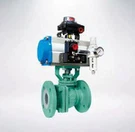
A soft seated ball valve is a crucial component in various industrial applications, known for its reliable sealing performance and durability. As a leading supplier of Soft Seated Ball Valve, I am excited to share the working principle of this remarkable valve with you.
Basic Structure of a Soft Seated Ball Valve
Before delving into the working principle, it's essential to understand the basic structure of a soft seated ball valve. A typical soft seated ball valve consists of a valve body, a ball, a stem, and seats. The valve body is the outer casing that houses all the internal components. It is usually made of materials such as cast iron, stainless steel, or carbon steel, depending on the application requirements.
The ball is the core component of the valve. It is a spherical disc with a hole in the center, known as the bore. The ball is mounted on a stem, which allows it to rotate within the valve body. The seats are the sealing elements that come into contact with the ball to prevent leakage. In a soft seated ball valve, the seats are made of soft materials such as PTFE (Polytetrafluoroethylene), NBR (Nitrile Butadiene Rubber), or EPDM (Ethylene Propylene Diene Monomer).
Working Principle of a Soft Seated Ball Valve
The working principle of a soft seated ball valve is relatively simple. It operates by rotating the ball within the valve body to control the flow of fluid. When the valve is in the open position, the bore of the ball is aligned with the flow path, allowing fluid to pass through the valve with minimal resistance. In this position, the ball is turned 90 degrees from the closed position.
When the valve needs to be closed, the stem is rotated, causing the ball to turn 90 degrees. As the ball rotates, the soft seats come into contact with the ball, creating a tight seal. This seal prevents fluid from flowing through the valve, effectively shutting off the flow. The soft seats conform to the surface of the ball, ensuring a reliable seal even under low-pressure conditions.

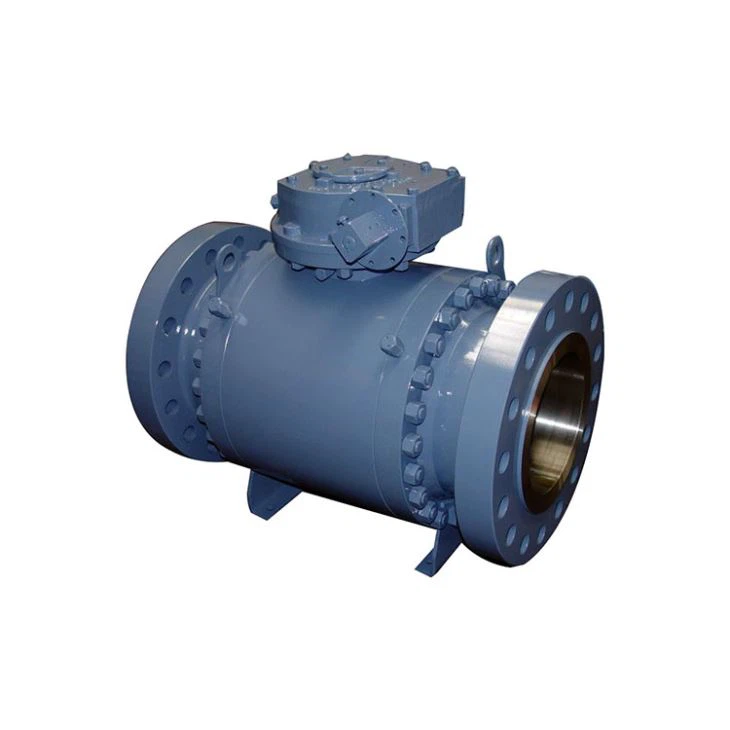
One of the key advantages of a soft seated ball valve is its ability to provide a bubble-tight seal. The soft materials used in the seats can deform slightly to fill any irregularities on the surface of the ball, creating a perfect seal. This makes soft seated ball valves ideal for applications where leakage prevention is critical, such as in the chemical, pharmaceutical, and food and beverage industries.
Advantages of Soft Seated Ball Valves
Soft seated ball valves offer several advantages over other types of valves, such as Metal Seated Ball Valve and DBB ball valve. Some of the key advantages include:
- Excellent Sealing Performance: As mentioned earlier, soft seated ball valves provide a bubble-tight seal, ensuring minimal leakage. This makes them suitable for applications where leakage can cause significant damage or safety hazards.
- Low Operating Torque: The soft seats in a ball valve reduce the friction between the ball and the seats, resulting in low operating torque. This means that less force is required to open and close the valve, making it easier to operate manually or with an actuator.
- Corrosion Resistance: Soft seated ball valves are often made of materials that are resistant to corrosion, such as stainless steel and PTFE. This makes them suitable for use in corrosive environments, such as in the chemical and petrochemical industries.
- Versatility: Soft seated ball valves can be used in a wide range of applications, including on/off control, throttling, and isolation. They are available in various sizes, pressure ratings, and end connections, making them suitable for different system requirements.
Applications of Soft Seated Ball Valves
Soft seated ball valves are used in a variety of industries and applications, including:
- Chemical Industry: In the chemical industry, soft seated ball valves are used to control the flow of corrosive chemicals, such as acids, alkalis, and solvents. The corrosion-resistant materials used in the valves ensure long-term reliability and safety.
- Pharmaceutical Industry: The pharmaceutical industry requires high levels of purity and hygiene in its processes. Soft seated ball valves are used to control the flow of pharmaceutical products, ensuring that they are not contaminated during production.
- Food and Beverage Industry: Soft seated ball valves are used in the food and beverage industry to control the flow of liquids, such as water, milk, and juices. The materials used in the valves are food-grade and comply with strict hygiene standards.
- Water Treatment Industry: In the water treatment industry, soft seated ball valves are used to control the flow of water, chemicals, and sludge. They are essential for ensuring the efficient operation of water treatment plants.
Considerations When Selecting a Soft Seated Ball Valve
When selecting a soft seated ball valve for your application, there are several factors to consider, including:
- Fluid Compatibility: The materials used in the valve, including the ball, seats, and valve body, must be compatible with the fluid being handled. This ensures that the valve will not be damaged by the fluid and will provide reliable performance over its lifespan.
- Pressure and Temperature Ratings: The valve must be rated for the pressure and temperature conditions of the application. Using a valve with a lower pressure or temperature rating than required can result in valve failure and safety hazards.
- End Connections: The valve must have the appropriate end connections to fit into the existing piping system. Common end connections include flanged, threaded, and welded connections.
- Actuation: Depending on the application, the valve may need to be actuated manually, electrically, pneumatically, or hydraulically. The type of actuation selected will depend on factors such as the frequency of operation, the required speed of operation, and the availability of power sources.
Conclusion
In conclusion, soft seated ball valves are an essential component in many industrial applications, offering reliable sealing performance, low operating torque, and corrosion resistance. As a supplier of Soft Seated Ball Valve, we are committed to providing high-quality valves that meet the specific needs of our customers.
If you are in the market for a soft seated ball valve, we encourage you to contact us for more information. Our team of experts will be happy to assist you in selecting the right valve for your application and provide you with a competitive quote. We look forward to working with you to meet your valve requirements.
References
- Valve Handbook, 4th Edition, by Robert A. Smith
- Industrial Valves: Selection, Specification, and Installation, by David W. Spitzer