

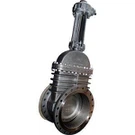
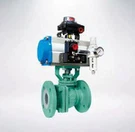
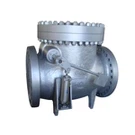
When it comes to flat or slab gate valves, one crucial aspect that often goes under the radar is the impact of seat material on sealing performance. As a leading supplier of flat or slab gate valves, I've witnessed firsthand how the choice of seat material can make or break the functionality and efficiency of these valves. In this blog post, I'll delve into the intricate relationship between seat material and sealing performance, exploring the various factors at play and offering insights into making the right choice for your specific applications.
Understanding the Basics of Flat or Slab Gate Valves
Before we dive into the role of seat material, let's briefly review the fundamentals of flat or slab gate valves. These valves are widely used in various industries, including oil and gas, water treatment, and power generation, to control the flow of fluids. They operate by raising or lowering a flat or slab-shaped gate to either allow or block the passage of fluid through the valve. The sealing performance of these valves is critical to prevent leakage and ensure the efficient operation of the system.
The Importance of Sealing Performance
Sealing performance is the cornerstone of any valve's functionality. A well-sealed valve not only prevents fluid leakage but also enhances the overall efficiency and safety of the system. In applications where the fluid being transported is hazardous or valuable, such as in the oil and gas industry, a leaky valve can have severe consequences, including environmental damage, financial losses, and safety risks. Therefore, choosing the right seat material is essential to ensure optimal sealing performance.
Factors Affecting Sealing Performance
Several factors can influence the sealing performance of flat or slab gate valves, and the seat material is one of the most significant. Here are some key factors to consider:
1. Compatibility with the Fluid
The seat material must be compatible with the fluid being transported through the valve. Different fluids have different chemical properties, and some may be corrosive, abrasive, or have high temperatures. Using a seat material that is not compatible with the fluid can lead to chemical reactions, degradation of the material, and ultimately, poor sealing performance. For example, in applications where the fluid is highly corrosive, such as in chemical processing plants, a seat material with high corrosion resistance, such as stainless steel or ceramic, may be required.
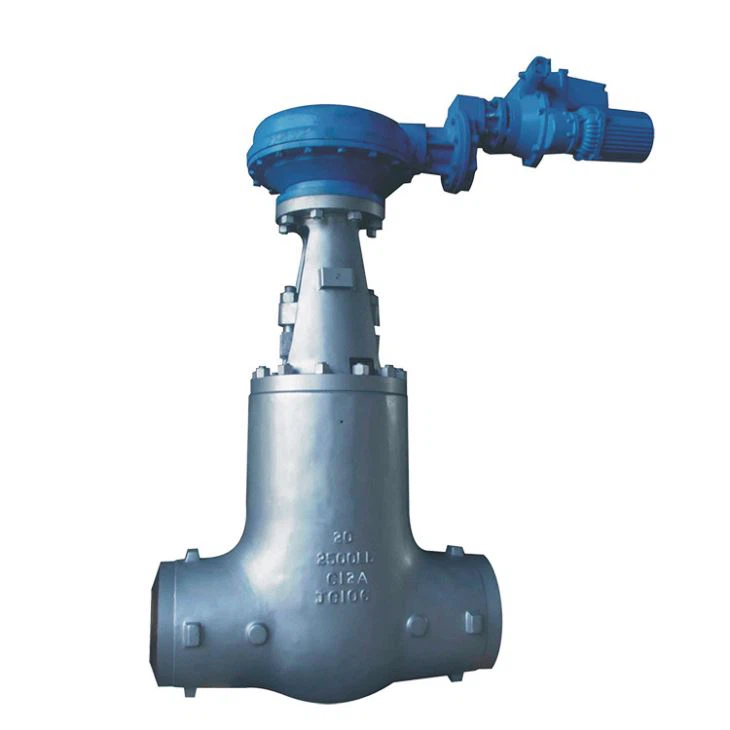

2. Hardness and Wear Resistance
The hardness and wear resistance of the seat material are crucial for maintaining a tight seal over time. In applications where the fluid contains solid particles or has high flow velocities, the seat material is subjected to abrasion and erosion. A seat material with low hardness and wear resistance may wear out quickly, leading to leakage. On the other hand, a seat material with high hardness and wear resistance, such as tungsten carbide or ceramic, can withstand the abrasive forces and maintain a tight seal for an extended period.
3. Elasticity and Resilience
The elasticity and resilience of the seat material are essential for achieving a tight seal. When the gate is closed, the seat material must be able to deform slightly to conform to the shape of the gate and create a seal. If the seat material is too rigid, it may not be able to form a tight seal, resulting in leakage. On the other hand, if the seat material is too soft, it may not be able to withstand the pressure and may deform permanently, also leading to leakage. Therefore, choosing a seat material with the right balance of elasticity and resilience is crucial for optimal sealing performance.
4. Temperature and Pressure Resistance
The seat material must be able to withstand the temperature and pressure conditions of the application. In high-temperature applications, such as in power plants or refineries, the seat material may be subjected to thermal expansion and contraction, which can affect its sealing performance. Similarly, in high-pressure applications, the seat material must be able to withstand the pressure without deforming or breaking. Using a seat material that is not rated for the temperature and pressure conditions of the application can lead to leakage and valve failure.
Common Seat Materials and Their Sealing Performance
Now that we've discussed the factors affecting sealing performance, let's take a closer look at some common seat materials used in flat or slab gate valves and their sealing performance:
1. Metal Seats
Metal seats, such as stainless steel, carbon steel, and alloy steel, are widely used in flat or slab gate valves due to their high strength, durability, and temperature resistance. Metal seats can provide a tight seal in applications where the fluid is clean and has low to moderate pressures and temperatures. However, metal seats may not be suitable for applications where the fluid is abrasive or corrosive, as they may wear out quickly or corrode.
2. Rubber Seats
Rubber seats, such as nitrile rubber (NBR), ethylene propylene diene monomer (EPDM), and fluorocarbon rubber (FKM), are commonly used in applications where the fluid is water, air, or other non-corrosive fluids. Rubber seats can provide a tight seal due to their elasticity and resilience. However, rubber seats may not be suitable for applications where the fluid is abrasive or has high temperatures, as they may wear out quickly or degrade.
3. PTFE Seats
Polytetrafluoroethylene (PTFE) seats are known for their excellent chemical resistance, low friction coefficient, and high temperature resistance. PTFE seats can provide a tight seal in applications where the fluid is corrosive or has high temperatures. However, PTFE seats may not be suitable for applications where the fluid is abrasive, as they may wear out quickly.
4. Ceramic Seats
Ceramic seats, such as alumina ceramic and zirconia ceramic, are known for their high hardness, wear resistance, and chemical resistance. Ceramic seats can provide a tight seal in applications where the fluid is abrasive or corrosive and has high temperatures. However, ceramic seats may be brittle and may require special handling and installation to prevent cracking.
Choosing the Right Seat Material for Your Application
Choosing the right seat material for your flat or slab gate valve depends on several factors, including the type of fluid being transported, the pressure and temperature conditions of the application, and the expected service life of the valve. Here are some tips to help you make the right choice:
1. Consult with a Valve Expert
If you're unsure which seat material is best for your application, it's always a good idea to consult with a valve expert. A valve expert can help you evaluate your specific requirements and recommend the most suitable seat material based on your application.
2. Consider the Total Cost of Ownership
When choosing a seat material, it's important to consider the total cost of ownership, including the initial cost of the valve, the cost of maintenance and replacement, and the cost of downtime. While a more expensive seat material may have a higher initial cost, it may also have a longer service life and require less maintenance, resulting in lower total cost of ownership over time.
3. Test the Seat Material
Before installing a new seat material in your valve, it's a good idea to test it in a laboratory or in a pilot application. Testing the seat material can help you evaluate its performance under real-world conditions and ensure that it meets your requirements.
Conclusion
In conclusion, the seat material plays a crucial role in the sealing performance of flat or slab gate valves. Choosing the right seat material is essential to ensure optimal sealing performance, prevent leakage, and enhance the overall efficiency and safety of the system. By considering the factors affecting sealing performance, such as compatibility with the fluid, hardness and wear resistance, elasticity and resilience, and temperature and pressure resistance, and by choosing the most suitable seat material for your application, you can ensure that your flat or slab gate valve operates reliably and efficiently for years to come.
If you're in the market for high-quality flat or slab gate valves or need assistance in choosing the right seat material for your application, please don't hesitate to [contact us]. We're a leading supplier of Pressure Seal Gate Valve, Ceramic Lined Gate Valve, and Cast Steel Gate Valves, and we're committed to providing our customers with the best products and services. Let's start a conversation about your valve needs today!
References
- Valve Handbook, 4th Edition, by J. Paul Tullis
- Fluid Mechanics and Thermodynamics of Turbomachinery, 3rd Edition, by S. L. Dixon
- Handbook of Valves, 2nd Edition, by W. E. Wickstrom