

Adjusting the opening degree of a plug valve is a crucial skill that can significantly impact the efficiency and safety of various industrial processes. As a trusted plug valve supplier, I've witnessed firsthand how proper adjustment can optimize system performance and prevent costly downtime. In this blog post, I'll share some practical tips on how to adjust the opening degree of a plug valve effectively.


Understanding Plug Valves
Before delving into the adjustment process, it's essential to understand the basic structure and operation of plug valves. A plug valve consists of a cylindrical or conical plug with a passageway through it. When the plug is rotated, the passageway aligns with the inlet and outlet ports of the valve, allowing fluid to flow through. By changing the position of the plug, the opening degree of the valve can be adjusted to control the flow rate.
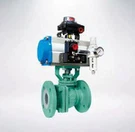
There are different types of plug valves available, each with its own unique features and applications. For instance, Soft Seat Plug Valve offers excellent sealing performance and is suitable for applications where low leakage is required. PFA Lined Plug Valve is corrosion-resistant and ideal for handling aggressive chemicals. Lubricated Plug Valve uses lubricant to reduce friction and ensure smooth operation, making it suitable for high-pressure and high-temperature applications.
Tools Required for Adjustment
To adjust the opening degree of a plug valve, you'll need a few basic tools. These include a wrench or a socket set to turn the valve stem, a pressure gauge to monitor the pressure in the system, and a flow meter to measure the flow rate. Additionally, you may need a lubricant or sealant to ensure proper sealing and smooth operation of the valve.
Steps to Adjust the Opening Degree
- Isolate the System: Before making any adjustments to the plug valve, it's crucial to isolate the system to prevent any potential hazards. This involves shutting off the upstream and downstream valves and relieving the pressure in the system.
- Inspect the Valve: Once the system is isolated, inspect the plug valve for any signs of damage or wear. Check the valve stem for proper alignment and ensure that the plug rotates freely. If you notice any issues, such as leaks or excessive friction, address them before proceeding with the adjustment.
- Determine the Desired Opening Degree: Based on the requirements of your system, determine the desired opening degree of the plug valve. This can be done by referring to the system specifications or by using a flow meter to measure the flow rate.
- Adjust the Valve Stem: Use a wrench or a socket set to turn the valve stem in the appropriate direction to adjust the opening degree of the plug valve. Clockwise rotation typically closes the valve, while counterclockwise rotation opens it. Make small adjustments at a time and monitor the pressure and flow rate in the system using a pressure gauge and a flow meter.
- Verify the Adjustment: Once you've made the necessary adjustments, verify the opening degree of the plug valve by checking the position of the valve stem and the flow rate in the system. If the opening degree is not within the desired range, make further adjustments until the desired flow rate is achieved.
- Secure the Valve Stem: After the adjustment is complete, secure the valve stem in place to prevent any accidental movement. This can be done by tightening the lock nut or using a locking device.
- Test the System: Once the valve stem is secured, test the system to ensure that it's operating properly. Check for any leaks or abnormal pressure fluctuations and make any necessary adjustments.
Tips for Optimal Adjustment
- Make Small Adjustments: When adjusting the opening degree of a plug valve, it's important to make small adjustments at a time. This allows you to fine-tune the flow rate and prevent over-adjustment, which can lead to system instability.
- Monitor the Pressure and Flow Rate: Use a pressure gauge and a flow meter to monitor the pressure and flow rate in the system during the adjustment process. This will help you ensure that the adjustment is within the desired range and that the system is operating safely.
- Use Lubricant or Sealant: Applying a lubricant or sealant to the valve stem and the plug can help reduce friction and ensure smooth operation of the plug valve. This can also help prevent leaks and extend the lifespan of the valve.
- Follow the Manufacturer's Instructions: Always follow the manufacturer's instructions when adjusting the opening degree of a plug valve. This will ensure that the adjustment is done correctly and that the valve operates safely and efficiently.
Troubleshooting Common Issues
- Leaking Valve: If you notice a leak in the plug valve, it could be due to a damaged seal or a loose valve stem. Check the seal for any signs of damage and replace it if necessary. Tighten the valve stem to ensure a proper seal.
- Sticking Valve: A sticking valve could be caused by dirt, debris, or corrosion in the valve. Clean the valve thoroughly and apply a lubricant to the valve stem and the plug to reduce friction.
- Inaccurate Flow Rate: If the flow rate in the system is not within the desired range, it could be due to an incorrect opening degree of the plug valve. Check the position of the valve stem and make the necessary adjustments to achieve the desired flow rate.
Conclusion
Adjusting the opening degree of a plug valve is a critical task that requires careful attention to detail. By following the steps outlined in this blog post and using the tips and techniques provided, you can ensure that your plug valve is adjusted correctly and that your system operates safely and efficiently.
As a leading plug valve supplier, we offer a wide range of high-quality plug valves to meet the diverse needs of our customers. Whether you're looking for a Soft Seat Plug Valve, a PFA Lined Plug Valve, or a Lubricated Plug Valve, we have the expertise and experience to provide you with the right solution.
If you're interested in learning more about our plug valves or need assistance with adjusting the opening degree of a plug valve, please don't hesitate to contact us. Our team of experts is always ready to help you find the best solution for your needs.
References
- Crane Co., "Valve Handbook", 4th Edition
- Spirax Sarco, "Control Valve Handbook"