

What is the vibration situation of an API Gate Valve during operation?
As a well - established API Gate Valve supplier, I've witnessed firsthand the critical role these valves play in various industrial applications. API Gate Valves are designed to control the flow of fluids in pipelines, and understanding their vibration situation during operation is essential for ensuring long - term reliability and efficient performance.
1. Causes of Vibration in API Gate Valves
Fluid Flow Dynamics
One of the primary causes of vibration in API Gate Valves is the fluid flow through the valve. When the fluid velocity is high, it can create turbulent flow patterns around the valve components. For example, if the valve is partially open, the fluid may experience a sudden change in cross - sectional area, leading to the formation of eddies and vortices. These dynamic fluid forces can exert unbalanced loads on the valve disc and stem, causing the valve to vibrate. In some industrial processes where the fluid contains suspended particles, such as in mining or wastewater treatment, the impact of these particles on the valve surfaces can also contribute to additional vibration.
Pressure Fluctuations
Pressure fluctuations in the pipeline can also trigger valve vibration. In systems with pumps or compressors, the intermittent nature of the fluid delivery can lead to pressure surges. When these pressure waves reach the API Gate Valve, they can cause the valve to oscillate. For instance, in a reciprocating pump system, each stroke of the pump creates a pressure spike. If the natural frequency of the valve coincides with the frequency of these pressure fluctuations, resonance can occur, resulting in severe vibration.
Improper Installation
Incorrect installation of the API Gate Valve can be a significant factor in vibration problems. If the valve is not properly aligned with the pipeline, it can cause uneven stress distribution on the valve body and components. For example, if the valve is misaligned horizontally or vertically, the fluid flow through the valve will be disrupted, leading to increased turbulence and vibration. Additionally, loose mounting bolts can allow the valve to move slightly during operation, amplifying the vibration.
2. Effects of Vibration on API Gate Valves
Wear and Tear
Continuous vibration can accelerate the wear and tear of API Gate Valve components. The constant movement of the valve disc against the seat can cause abrasion, leading to reduced sealing performance over time. The vibration can also cause fatigue in the valve stem, which may eventually lead to cracking or breakage. In extreme cases, the loosening of internal components due to vibration can cause the valve to malfunction, resulting in fluid leakage.


Noise Pollution
Vibration in API Gate Valves often generates noise. The rattling and shaking of the valve components can produce a significant amount of noise, which can be a nuisance in industrial environments. In addition to being a safety hazard for workers due to potential hearing damage, excessive noise can also be a sign of underlying problems with the valve's operation.
System Instability
Excessive valve vibration can have a negative impact on the overall stability of the pipeline system. The vibration can be transmitted to other components in the system, such as pipes, pumps, and fittings, potentially causing damage to these parts as well. This can lead to system downtime, increased maintenance costs, and reduced productivity.
3. Mitigating Vibration in API Gate Valves
Proper Valve Selection
Choosing the right API Gate Valve for the specific application is crucial in minimizing vibration. Consider factors such as the fluid properties (e.g., viscosity, density, and particle content), flow rate, and pressure range. For applications with high - velocity or abrasive fluids, a Ceramic Lined Gate Valve can be a good option. The ceramic lining provides excellent wear resistance, reducing the impact of fluid flow on the valve components and minimizing vibration.
Flow Control Optimization
Proper flow control can help reduce vibration. Avoid operating the valve in a partially open position for extended periods, as this can create turbulent flow. Instead, try to keep the valve fully open or fully closed whenever possible. In some cases, installing flow - control devices such as orifice plates or flow restrictors upstream of the valve can help stabilize the fluid flow and reduce pressure fluctuations.
Installation and Maintenance
Ensure that the API Gate Valve is installed correctly according to the manufacturer's guidelines. This includes proper alignment, tight mounting of bolts, and adequate support for the valve and pipeline. Regular maintenance is also essential. Check for loose components, signs of wear, and proper lubrication. For example, a Stainless Steel Gate Valve may require less maintenance in corrosive environments, but still needs to be inspected regularly to prevent vibration - related issues.
4. Special Considerations for Different Types of API Gate Valves
Flat Gate Valves
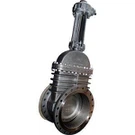
Flat gate valves are commonly used in various industries. Their simple design with a flat gate disc provides a straight - through flow path, which can reduce turbulence compared to some other valve types. However, they can still be susceptible to vibration, especially if the gate disc is not properly guided. Ensuring that the flat gate valve has a well - designed guiding mechanism can help keep the gate disc stable during operation and reduce vibration.
In conclusion, understanding the vibration situation of API Gate Valves during operation is of utmost importance for industrial operators. By identifying the causes, effects, and mitigation strategies, we can ensure the reliable and efficient performance of these valves. As an API Gate Valve supplier, I am committed to providing high - quality valves and technical support to help our customers address vibration - related issues. If you are in need of API Gate Valves or have any questions about valve vibration, feel free to contact us for procurement and in - depth discussions.
References
- API Standard 6D, "Pipeline Valves - Specification for Pipeline Valves", American Petroleum Institute.
- Valve Handbook, Edited by E. W. Miller, McGraw - Hill.