

Hey there! As a check valve supplier, I often get asked about the differences between check valves and pinch valves. It's a great question, and I'm here to break it down for you in a way that's easy to understand.
Let's start with check valves. A check valve is a type of valve that allows fluid to flow in one direction only. It's designed to prevent backflow, which can be a major problem in many industrial applications. Check valves work automatically, without the need for any external control. They open when the fluid flows in the correct direction and close when the flow reverses.
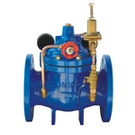
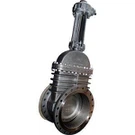
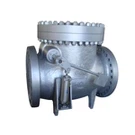
There are several types of check valves, each with its own unique design and function. One of the most common types is the Swing Type Check Valve. This valve has a disc that swings on a hinge to allow or block the flow of fluid. When the fluid flows in the correct direction, the disc swings open, and when the flow reverses, the disc swings shut.
Another type of check valve is the Ball Float Pattern Rubber Lined Check Valve. This valve uses a ball float to control the flow of fluid. When the fluid level rises, the ball float rises with it, opening the valve. When the fluid level drops, the ball float falls, closing the valve.
The Damping Device check valve is also an interesting type. It has a damping device that helps to reduce the impact of the closing action, which can prevent water hammer and other problems.
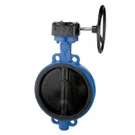
Now, let's talk about pinch valves. A pinch valve is a type of valve that uses a flexible tube or sleeve to control the flow of fluid. The tube is pinched shut by a mechanism, such as a clamp or a pneumatic actuator, to stop the flow of fluid. When the mechanism is released, the tube returns to its original shape, allowing the fluid to flow again.
Pinch valves are often used in applications where the fluid contains solids or is abrasive. The flexible tube can withstand the wear and tear of the solids, and it can also be easily replaced if it gets damaged.
So, what are the main differences between check valves and pinch valves?
Function
The most obvious difference is in their function. Check valves are designed to prevent backflow, while pinch valves are used to control the flow of fluid. Check valves work automatically, while pinch valves require an external control mechanism to open and close.
Design
Check valves have a more traditional valve design, with a disc, ball, or other mechanism to control the flow. Pinch valves, on the other hand, have a simple design that consists of a flexible tube and a pinching mechanism.
Application
Check valves are commonly used in applications where backflow prevention is critical, such as in water supply systems, sewage treatment plants, and industrial pipelines. Pinch valves are often used in applications where the fluid contains solids or is abrasive, such as in mining, food processing, and chemical industries.
Maintenance
Check valves generally require less maintenance than pinch valves. Since they work automatically, there are fewer moving parts that can wear out or break. Pinch valves, on the other hand, require regular inspection and replacement of the flexible tube, especially in applications where the fluid is abrasive.


Cost
The cost of check valves and pinch valves can vary depending on the size, material, and application. In general, check valves are less expensive than pinch valves, especially for smaller sizes. However, in some applications, the cost of a pinch valve may be justified by its ability to handle abrasive fluids and its longer service life.
In conclusion, both check valves and pinch valves have their own advantages and disadvantages. The choice between the two depends on the specific requirements of your application. If you need to prevent backflow, a check valve is the way to go. If you need to control the flow of fluid, especially in applications where the fluid contains solids or is abrasive, a pinch valve may be a better choice.
If you're in the market for check valves or have any questions about which type of valve is right for your application, I'd love to help. Just reach out to me, and we can have a chat about your needs. I'm confident that I can provide you with the best valve solution for your project.
References
- Valve Handbook, Various Authors
- Industrial Valve Applications Guide, Industry Experts