

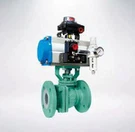
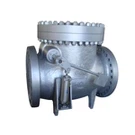
When it comes to industrial valves, metal seated ball valves are a crucial component in various applications, from oil and gas to chemical processing. One of the most important factors to consider when selecting a metal seated ball valve is its temperature range. Understanding the appropriate temperature range for these valves is essential for ensuring optimal performance, reliability, and safety in your operations. As a leading supplier of metal seated ball valves, I am here to shed light on this critical topic.
Understanding Metal Seated Ball Valves
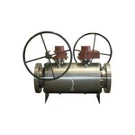
Before delving into the temperature range, let's briefly understand what metal seated ball valves are. These valves are designed with a ball that rotates within the valve body to control the flow of fluid. The seats of the valve are made of metal, which provides excellent durability, resistance to wear, and the ability to handle high-pressure and high-temperature applications. Metal seated ball valves are known for their tight shut-off capabilities, making them ideal for applications where leakage is not acceptable.
Factors Affecting Temperature Range
The temperature range of a metal seated ball valve is influenced by several factors, including the materials used in its construction, the design of the valve, and the specific application requirements.
Material Selection
The choice of materials for the valve body, ball, and seats plays a significant role in determining the temperature range. Common materials used in metal seated ball valves include stainless steel, carbon steel, and alloy steels. Each material has its own temperature limitations. For example, stainless steel is known for its corrosion resistance and can typically handle temperatures ranging from -200°C to 600°C, depending on the specific grade. Carbon steel is more economical but has a lower temperature range, usually from -29°C to 425°C. Alloy steels, on the other hand, can offer enhanced performance at higher temperatures and are often used in applications where extreme conditions are present.
Design Considerations
The design of the valve also affects its temperature range. Factors such as the valve's sealing mechanism, the type of stem packing, and the overall construction can impact how well the valve performs at different temperatures. For instance, a well-designed valve with a proper sealing system can maintain its integrity and prevent leakage even at high temperatures. Additionally, the use of heat-resistant coatings or insulation can help protect the valve components from excessive heat.
Application Requirements
The specific application in which the valve will be used is another crucial factor. Different industries have different temperature requirements. For example, in the oil and gas industry, valves may need to withstand high temperatures during the refining process or in offshore drilling operations. In the power generation industry, valves are often exposed to extreme temperatures in steam systems. Understanding the application requirements is essential for selecting a valve with the appropriate temperature range.
Typical Temperature Ranges for Metal Seated Ball Valves
Based on the factors mentioned above, the temperature range for metal seated ball valves can vary widely. However, here are some general guidelines:
Low-Temperature Applications
For applications where low temperatures are a concern, such as cryogenic processes or cold storage facilities, metal seated ball valves can be designed to operate at temperatures as low as -200°C. Special materials and designs are required to ensure that the valve remains functional and leak-free in these extreme conditions.
Medium-Temperature Applications
In most industrial applications, the temperature range for metal seated ball valves falls between -29°C and 425°C. This range is suitable for a wide variety of processes, including chemical processing, water treatment, and general industrial fluid control. Valves made of carbon steel or stainless steel are commonly used in these applications.
High-Temperature Applications
For applications where high temperatures are present, such as in the power generation, petrochemical, and metallurgical industries, metal seated ball valves can be designed to operate at temperatures up to 1000°C or higher. Special alloy steels and advanced design features are required to withstand these extreme conditions. In some cases, valves may also be equipped with cooling systems or heat shields to protect the valve components.
Comparing with Other Types of Ball Valves
It's worth comparing metal seated ball valves with other types of ball valves, such as Soft Seated Ball Valve and Top Entry Ball Valve. Soft seated ball valves, as the name suggests, have seats made of soft materials such as elastomers or plastics. These valves are typically used in applications where a tight shut-off is required at lower pressures and temperatures. The temperature range for soft seated ball valves is usually limited to around 200°C, depending on the material used.
Top entry ball valves, on the other hand, are designed with a removable top cover, which allows for easy maintenance and inspection. While they can be used in a wide range of temperature applications, their temperature range is also influenced by the materials and design features. In general, top entry ball valves can handle temperatures similar to metal seated ball valves, but the specific range will depend on the individual valve.
Another type of valve to consider is the DBB ball valve. DBB ball valves are designed to provide double isolation and bleeding capabilities, which are important in applications where safety and reliability are critical. The temperature range for DBB ball valves is also dependent on the materials and design, but they can generally operate within a similar temperature range as metal seated ball valves.
Importance of Selecting the Right Temperature Range
Selecting a metal seated ball valve with the appropriate temperature range is crucial for several reasons:
Performance and Reliability
Using a valve with the wrong temperature range can lead to poor performance and reduced reliability. At temperatures outside the recommended range, the valve may experience excessive wear, leakage, or even failure. This can result in costly downtime, production losses, and potential safety hazards.
Safety
In industrial applications, safety is of utmost importance. Valves that are not designed to handle the temperatures in a particular process can pose a significant safety risk. For example, a valve that fails due to overheating can cause a release of hazardous chemicals or fluids, leading to environmental damage and potential harm to personnel.
Cost-Effectiveness
Selecting a valve with the appropriate temperature range can also be cost-effective in the long run. While a valve with a wider temperature range may be more expensive upfront, it can save money in the long term by reducing maintenance costs, downtime, and the need for frequent replacements.
How to Select the Right Metal Seated Ball Valve for Your Application
When selecting a metal seated ball valve for your application, here are some steps to follow:
Determine the Temperature Requirements
The first step is to determine the temperature range of your application. This may involve consulting with process engineers or reviewing the specifications of your equipment. Make sure to consider both the normal operating temperature and any potential temperature fluctuations or extremes.
Consider the Material and Design
Based on the temperature requirements, select a valve made of the appropriate materials and with the right design features. Consider factors such as corrosion resistance, pressure rating, and sealing performance. It's also a good idea to consult with a valve manufacturer or supplier to get their expert advice.
Evaluate the Application Conditions
In addition to temperature, consider other application conditions such as pressure, flow rate, and the type of fluid being handled. These factors can also impact the performance and reliability of the valve.
Choose a Reputable Supplier
Finally, choose a reputable supplier of metal seated ball valves. A reliable supplier will have a wide range of products to choose from, provide technical support, and offer quality assurance. Look for a supplier with a proven track record in the industry and positive customer reviews.
Conclusion
The temperature range for metal seated ball valves is an important factor to consider when selecting a valve for your application. By understanding the factors that affect the temperature range, the typical ranges for different applications, and how to select the right valve, you can ensure optimal performance, reliability, and safety in your operations. As a leading supplier of metal seated ball valves, we are committed to providing high-quality products that meet the specific needs of our customers. If you have any questions or need assistance in selecting the right valve for your application, please don't hesitate to contact us for a detailed discussion and procurement negotiation. We look forward to working with you to find the best solution for your valve requirements.


References
- Valve Handbook, Second Edition by E. Richard Shames
- Industrial Valves: A Practical Guide by Terry Ling