

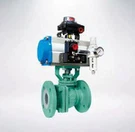
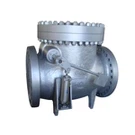
As a supplier of Straight Globe Valves, I often get asked about the vibration level of these valves during operation. It's a crucial question because excessive vibration can lead to various issues, such as premature wear and tear, leaks, and even system failures. So, let's dive into what the vibration level of a straight globe valve during operation actually means and what factors can affect it.
Understanding the Basics of Straight Globe Valves
First off, for those who might not be too familiar, a Straight Globe Valve is a type of valve used to regulate the flow of a fluid through a pipeline. It has a globe-shaped body and a movable disk-type element that can be adjusted to control the amount of fluid passing through. These valves are commonly used in a wide range of industries, including oil and gas, power generation, and water treatment.
What Causes Vibration in Straight Globe Valves?
There are several factors that can cause vibration in straight globe valves during operation. One of the main causes is fluid flow. When fluid passes through the valve, it can create pressure fluctuations and turbulence, which in turn can lead to vibration. The velocity of the fluid is a key factor here. If the fluid is flowing too fast, it can cause more significant pressure changes and thus more vibration.


Another factor is the design of the valve itself. The shape and size of the valve's internal components, such as the seat and the disk, can affect how the fluid flows through the valve and how much vibration is generated. For example, if the valve has a poorly designed seat, it might not provide a smooth flow path for the fluid, leading to increased turbulence and vibration.
The installation of the valve also plays a role. If the valve is not properly aligned or supported, it can be more prone to vibration. Misalignment can cause uneven forces on the valve, while inadequate support can allow the valve to move around more freely, both of which can result in increased vibration levels.
Measuring Vibration Levels
So, how do we measure the vibration level of a straight globe valve during operation? Well, there are a few different methods. One common approach is to use vibration sensors. These sensors can be attached to the valve body and are designed to detect and measure the amplitude and frequency of the vibrations.
The amplitude of the vibration refers to the magnitude of the movement, while the frequency refers to how often the vibrations occur. By analyzing these two parameters, we can get a better understanding of the vibration characteristics of the valve. For example, high-amplitude vibrations at a low frequency might indicate a problem with the valve's alignment, while high-frequency vibrations with a lower amplitude could be related to fluid turbulence.
Acceptable Vibration Levels
Determining what is an acceptable vibration level for a straight globe valve can be a bit tricky because it depends on several factors, including the specific application, the size of the valve, and the type of fluid being handled. In general, however, most industry standards recommend keeping the vibration amplitude within a certain range.
For small to medium-sized valves in normal operating conditions, a vibration amplitude of around 0.1 to 0.5 millimeters is often considered acceptable. For larger valves or those in more demanding applications, the acceptable range might be slightly higher, but it's still important to keep the vibration under control to prevent any potential problems.
Impact of Excessive Vibration
Excessive vibration in a straight globe valve can have some serious consequences. As I mentioned earlier, it can lead to premature wear and tear of the valve components. The constant shaking can cause the seat and the disk to rub against each other more aggressively, leading to increased friction and eventual damage.
It can also cause leaks. If the vibration is strong enough, it can loosen the seals around the valve, allowing fluid to escape. This not only wastes resources but can also pose a safety hazard, especially if the fluid being handled is toxic or flammable.
In addition, excessive vibration can affect the overall performance of the system. It can cause other components in the pipeline to vibrate as well, potentially leading to failures in those parts and disrupting the entire operation.
How to Reduce Vibration
As a supplier, I'm always looking for ways to help my customers reduce the vibration levels of their straight globe valves. One of the first steps is to ensure proper valve selection. Choosing a valve that is the right size and design for the specific application can go a long way in minimizing vibration.
Proper installation is also crucial. Making sure the valve is correctly aligned and well-supported can significantly reduce the likelihood of excessive vibration. This might involve using appropriate mounting brackets and ensuring that the pipeline is properly anchored.
Another option is to use additional damping devices. These can be installed on the valve or in the pipeline to absorb some of the vibrations and reduce their impact. For example, vibration dampers can be used to dissipate the energy generated by the vibrations, preventing them from causing damage to the valve or other components.
Comparing with Other Types of Globe Valves
It's also interesting to compare the vibration levels of straight globe valves with other types of globe valves, such as Bellow Sealed Globe Valves and Pressure Seal Globe Valves.
Bellow sealed globe valves are designed with a bellows seal to prevent leakage. The bellows can act as a flexible element that can absorb some of the vibrations, potentially reducing the overall vibration level compared to a straight globe valve. However, the design of the bellows also adds some complexity, and improper installation or maintenance of the bellows can lead to its own set of problems.
Pressure seal globe valves, on the other hand, are typically used in high-pressure applications. The pressure seal design helps to ensure a tight seal under high-pressure conditions. While these valves can also experience vibration, the high-pressure environment might require different strategies for vibration control compared to straight globe valves.
Conclusion
In conclusion, understanding the vibration level of a straight globe valve during operation is essential for ensuring its proper performance and longevity. By being aware of the factors that can cause vibration, measuring the vibration levels, and taking steps to reduce excessive vibration, we can help our customers avoid many of the problems associated with valve vibration.
If you're in the market for a straight globe valve or have any questions about vibration levels or valve performance, I'd love to help. Whether you need advice on valve selection, installation, or vibration control, feel free to reach out to me. Let's work together to find the best solution for your specific needs.
References
- "Valve Handbook" by Valve Manufacturers Association
- "Fluid Mechanics and Thermodynamics of Turbomachinery" by S. L. Dixon