

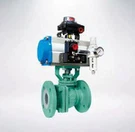
What is the Pressure Rating of a PFA Lined Ball Valve?
As a supplier of PFA Lined Ball Valves, I often encounter inquiries regarding the pressure rating of these essential industrial components. Understanding the pressure rating of a PFA lined ball valve is crucial for ensuring its safe and efficient operation in various applications. In this blog post, I will delve into the concept of pressure rating, factors that influence it, and how it pertains to PFA lined ball valves.
Understanding Pressure Rating
The pressure rating of a valve refers to the maximum pressure that the valve can safely withstand under specific conditions. It is typically expressed in units such as pounds per square inch (psi), bars, or megapascals (MPa). This rating is determined through rigorous testing and is based on the valve's design, materials of construction, and intended use.
For PFA lined ball valves, the pressure rating is particularly important because these valves are commonly used in corrosive and high - pressure applications. The PFA (Perfluoroalkoxy) lining provides excellent chemical resistance, but it also needs to be able to withstand the pressure exerted on the valve without failing.
Factors Influencing the Pressure Rating of PFA Lined Ball Valves
1. Valve Design
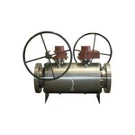
The design of the ball valve plays a significant role in determining its pressure rating. Different types of ball valves, such as Trunnion Mounted Ball Valve and Top Entry Ball Valve, have distinct designs that affect their pressure - handling capabilities.
Trunnion mounted ball valves are designed with trunnions (pins) that support the ball, reducing the load on the seats. This design allows them to handle higher pressures compared to floating ball valves. Top entry ball valves, on the other hand, offer easy access to the internal components for maintenance, but their pressure rating can vary depending on the specific design and construction.
2. Materials of Construction
The materials used in the construction of the valve body, ball, and stem, as well as the PFA lining, have a direct impact on the pressure rating. High - quality materials with good mechanical properties are essential for withstanding high pressures.
The valve body is usually made of materials such as carbon steel, stainless steel, or other alloys. These materials must have sufficient strength and toughness to resist deformation under pressure. The PFA lining should also be of a suitable thickness and quality to ensure that it does not rupture or delaminate under pressure.
3. Temperature
Temperature is another critical factor that affects the pressure rating of PFA lined ball valves. As the temperature increases, the mechanical properties of the materials, including the PFA lining, can change. High temperatures can cause the PFA to soften, reducing its ability to withstand pressure.
Therefore, the pressure rating of a PFA lined ball valve is often specified for a particular temperature range. When operating the valve outside of this temperature range, the pressure rating may need to be derated to ensure safe operation.
Pressure Rating Standards for PFA Lined Ball Valves
There are several international standards that govern the pressure rating of valves, including PFA lined ball valves. These standards provide guidelines for valve design, testing, and performance.
One of the most widely recognized standards is the American National Standards Institute (ANSI) B16.34. This standard specifies the pressure - temperature ratings for valves, including ball valves. It provides tables that list the maximum allowable pressures for different valve sizes, materials, and temperature ranges.
The International Organization for Standardization (ISO) also has standards related to valve pressure ratings. ISO 5208, for example, specifies the requirements for pressure testing of industrial valves.
Determining the Appropriate Pressure Rating for Your Application
When selecting a PFA lined ball valve for your application, it is essential to determine the appropriate pressure rating. Here are some steps to help you make the right choice:
1. Identify the System Pressure
First, you need to determine the maximum pressure that the valve will be exposed to in your system. This includes considering normal operating pressures, as well as any potential pressure surges or spikes.
2. Consider the Temperature
As mentioned earlier, temperature affects the pressure rating. Make sure to account for the operating temperature range of your system when selecting the valve.
3. Evaluate the Application Requirements
Consider the specific requirements of your application, such as the type of fluid being handled, the flow rate, and the frequency of valve operation. These factors can also influence the choice of pressure rating.


Our PFA Lined Ball Valves and Their Pressure Ratings
At our company, we offer a wide range of PFA Lined Ball Valve with different pressure ratings to meet the diverse needs of our customers. Our valves are designed and manufactured to the highest quality standards, ensuring reliable performance in even the most demanding applications.
We use advanced manufacturing techniques and high - quality materials to ensure that our PFA lined ball valves can withstand high pressures. Our valves are tested rigorously to ensure that they meet or exceed the specified pressure ratings.
Contact Us for Your PFA Lined Ball Valve Needs
If you are in the market for a PFA lined ball valve and need help determining the appropriate pressure rating for your application, our team of experts is here to assist you. We can provide you with detailed information about our products, their pressure ratings, and how they can be customized to meet your specific requirements.
Whether you are working in the chemical industry, pharmaceuticals, or any other sector that requires corrosion - resistant valves, we have the solution for you. Contact us today to start a conversation about your PFA lined ball valve needs and let us help you find the perfect valve for your application.
References
- American National Standards Institute (ANSI) B16.34 - Valves - Flanged, Threaded, and Welding End
- International Organization for Standardization (ISO) 5208 - Industrial valves - Pressure testing