

What is the service life of a metal seated ball valve? That's a question I get asked a lot as a supplier of Metal Seated Ball Valves. In this blog, I'm gonna break down what affects the service life of these valves and give you a good idea of what to expect.
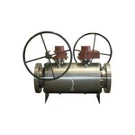
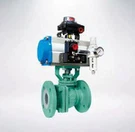
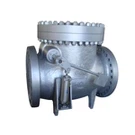
First off, let's talk about what a metal seated ball valve is. It's a type of valve that uses a ball with a hole in the middle to control the flow of fluid. The ball rotates inside a metal seat, and when the hole in the ball aligns with the flow path, fluid can pass through. When it's turned, the solid part of the ball blocks the flow. These valves are great for high - pressure and high - temperature applications, and they're also resistant to wear and corrosion, which is why they're so popular in industries like oil and gas, power generation, and chemical processing.

Now, the service life of a metal seated ball valve can vary widely. It can be anywhere from a few years to several decades, and a bunch of factors play into that.
One of the biggest factors is the quality of the materials used. We use high - grade metals in our valves because they can handle tough conditions. For example, stainless steel is a common choice. It's resistant to corrosion, which is super important if the valve is going to be in contact with corrosive fluids. If you skimp on the materials, the valve is gonna wear out a lot faster. Low - quality metals might start to corrode or erode after just a few months of use.

The operating conditions also have a huge impact. If the valve is in a high - pressure environment, it's gonna face more stress. The same goes for high - temperature applications. Extreme temperatures can cause the metal to expand and contract, which can lead to leaks over time. And if the fluid flowing through the valve is abrasive, like it has sand or other hard particles in it, that's gonna wear down the ball and the seat much quicker.
Another thing to consider is how often the valve is used. If it's opened and closed frequently, there's more friction between the ball and the seat. This friction can cause wear and tear, and eventually, the valve might not seal properly. On the other hand, a valve that's used less often might last longer, but it can also have issues if it sits idle for too long. Stuff can build up inside the valve, and the seals might dry out or degrade.
Proper installation and maintenance are also key. If a valve isn't installed correctly, it can put extra stress on the components. For example, if the pipes aren't aligned properly, it can cause the valve to be misaligned, which can lead to premature wear. And regular maintenance is a must. You need to check for leaks, clean the valve, and lubricate the moving parts. If you neglect maintenance, small problems can turn into big ones real fast.
Compared to other types of ball valves, like the PFA Lined Ball Valve and Soft Seated Ball Valve, metal seated ball valves generally have a longer service life in harsh conditions. PFA lined ball valves are great for corrosive environments, but the lining can wear out over time. Soft seated ball valves are good for low - pressure and low - temperature applications, but the soft seats can get damaged more easily than metal seats.
So, let's say you've got a well - made metal seated ball valve installed in a normal operating environment with proper maintenance. You can expect it to last around 10 - 20 years. But if it's in a really tough environment, like a high - pressure, high - temperature, and abrasive fluid situation, the service life might be more like 5 - 10 years.
Now, I know all this talk about service life might have you thinking about which valve is right for your needs. That's where we come in. We're a trusted supplier of Seated Ball Valve, and we can help you pick the perfect valve for your application. Whether you need a valve for a new project or you're looking to replace an old one, we've got the expertise and the products to meet your requirements.
If you're interested in learning more about our metal seated ball valves or want to discuss your specific needs, don't hesitate to reach out. We're here to answer your questions and help you make the best decision for your business. Let's talk about how we can work together to get you the valves you need with a service life that meets your expectations.
References
- Valve Handbook: A Guide to Valve Technology and Applications
- Industrial Valve Standards and Best Practices