

Maintaining a fully welded ball valve is crucial for ensuring its long - term performance, reliability, and safety. As a fully welded ball valve supplier, I've witnessed firsthand the impact of proper maintenance on the lifespan and functionality of these valves. In this blog, I'll share some essential tips and practices for maintaining fully welded ball valves.
Understanding the Fully Welded Ball Valve
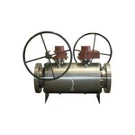
Before delving into maintenance, it's important to understand what a fully welded ball valve is. A fully welded ball valve is a type of valve where the body is welded together, eliminating potential leak paths at flange connections. This design makes them highly suitable for high - pressure and high - temperature applications, such as in oil and gas pipelines, chemical processing plants, and power generation facilities.
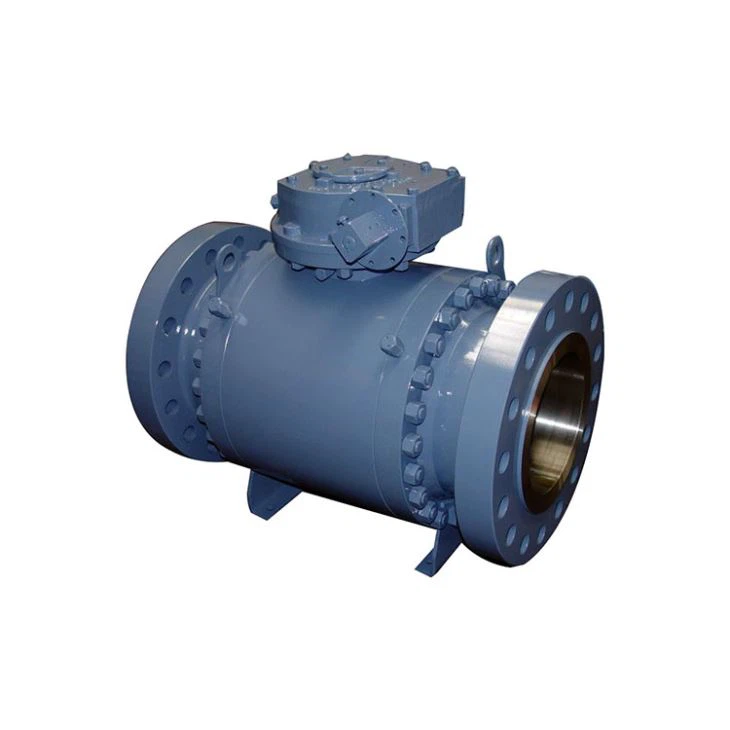
The valve consists of several key components, including the ball, seats, stem, and actuator. The ball is the main control element, which rotates to open or close the valve. The seats provide a seal around the ball to prevent leakage, and the stem transfers the rotational motion from the actuator to the ball.
Regular Inspection
Regular inspection is the cornerstone of valve maintenance. It allows you to detect potential issues early and take corrective action before they escalate into major problems.
Visual Inspection
Visual inspection should be carried out on a regular basis. Check the valve body for any signs of damage, such as cracks, dents, or corrosion. Pay special attention to the welds, as any defects in the welds can compromise the integrity of the valve. Look for signs of leakage around the valve stem and connections. A small leak can be an indication of a more serious problem, such as worn - out seats or a damaged stem seal.
Operational Inspection
Operate the valve periodically to ensure smooth operation. Check for any signs of excessive friction, binding, or abnormal noise during operation. If the valve is difficult to operate, it could be due to a number of issues, such as dirt or debris in the valve, worn - out components, or improper lubrication.
Cleaning and Lubrication
Cleaning and lubrication are essential for maintaining the performance of a fully welded ball valve.
Cleaning
Over time, dirt, debris, and contaminants can accumulate inside the valve, affecting its operation. Cleaning the valve can help remove these deposits and prevent them from causing damage. Use a suitable cleaning agent to clean the internal components of the valve, such as the ball, seats, and stem. Make sure to follow the manufacturer's recommendations for the cleaning agent and the cleaning process.
Lubrication
Lubrication is important for reducing friction and wear between the moving parts of the valve. Apply a high - quality lubricant to the stem, ball, and seats at regular intervals. The lubricant should be compatible with the valve materials and the operating conditions. Improper lubrication can lead to increased friction, which can cause premature wear and failure of the valve components.
Seat Maintenance
The seats of a fully welded ball valve play a critical role in preventing leakage. Over time, the seats can wear out due to friction, erosion, or corrosion.
Seat Inspection
Regularly inspect the seats for signs of wear, damage, or erosion. If the seats are worn or damaged, they may need to be replaced. Look for any signs of leakage around the seats, as this can indicate a problem with the seat sealing.
Seat Replacement
If the seats need to be replaced, it's important to use genuine replacement parts from the valve manufacturer. Improperly installed or incompatible seats can lead to leakage and other performance issues. Follow the manufacturer's instructions for seat replacement, including the proper installation torque and alignment.
Stem and Actuator Maintenance
The stem and actuator are responsible for controlling the movement of the ball in the valve. Proper maintenance of these components is essential for ensuring smooth and reliable valve operation.
Stem Inspection
Inspect the stem for signs of wear, damage, or corrosion. Check the stem seal for any signs of leakage. If the stem is damaged or worn, it may need to be repaired or replaced. Make sure the stem is properly aligned with the ball to ensure smooth operation.
Actuator Maintenance
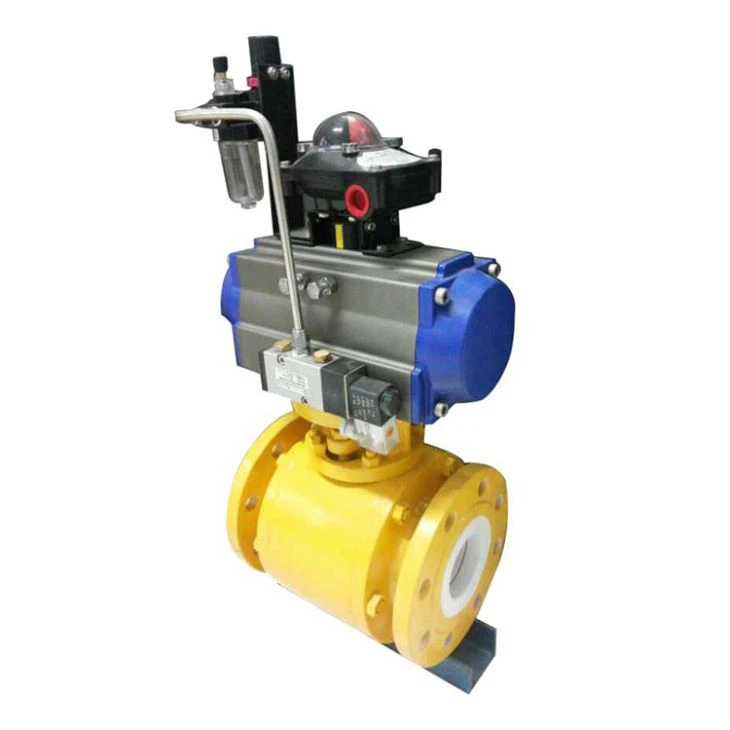
If the valve is equipped with an actuator, follow the manufacturer's maintenance instructions for the actuator. This may include regular lubrication, inspection of electrical or pneumatic connections, and calibration of the actuator. A malfunctioning actuator can prevent the valve from opening or closing properly, leading to operational issues.
Pressure and Temperature Monitoring
Monitoring the pressure and temperature of the fluid flowing through the valve is important for ensuring its safe and reliable operation.
Pressure Monitoring
Install pressure gauges upstream and downstream of the valve to monitor the pressure differential across the valve. A significant change in the pressure differential can indicate a problem with the valve, such as a blockage or a leak. If the pressure exceeds the valve's rated pressure, it can cause damage to the valve components.
Temperature Monitoring
Similarly, monitor the temperature of the fluid flowing through the valve. Extreme temperatures can affect the performance of the valve materials, such as causing expansion or contraction. Make sure the valve is operating within its rated temperature range.
Comparison with Other Ball Valve Types
In the market, there are other types of ball valves, such as Metal Seated Ball Valve, Ceramic Lined Ball Valve, and Trunnion Mounted Ball Valve. Each type has its own characteristics and maintenance requirements.
Metal seated ball valves are designed to withstand high - temperature and high - pressure applications. Their metal seats provide better durability and resistance to wear compared to traditional seats. However, they may require more frequent inspection due to the potential for metal - to - metal contact and wear.
Ceramic lined ball valves are known for their excellent corrosion resistance and wear resistance. The ceramic lining can protect the valve from abrasive and corrosive fluids. Maintenance of ceramic lined ball valves mainly focuses on protecting the ceramic lining from damage during operation and cleaning.
Trunnion mounted ball valves are suitable for large - diameter and high - pressure applications. They have a trunnion - supported ball design, which reduces the operating torque and provides better sealing performance. Maintenance of trunnion mounted ball valves includes inspecting the trunnion bearings and ensuring proper alignment.
Importance of Professional Maintenance
While some basic maintenance tasks can be performed by in - house personnel, it's often advisable to have a professional valve maintenance service conduct a more comprehensive inspection and maintenance at regular intervals. Professional technicians have the expertise and specialized tools to diagnose and repair complex valve problems. They can also ensure that the valve is maintained in accordance with industry standards and manufacturer's recommendations.
Contact for Procurement and Consultation
If you're in the market for fully welded ball valves or need further advice on valve maintenance, don't hesitate to reach out. We are committed to providing high - quality fully welded ball valves and comprehensive after - sales support. Whether you're looking for a valve for a new project or need to replace an existing valve, we can offer you the right solution to meet your specific requirements.
References
- Valve Handbook, 4th Edition, by J. F. Carlucci
- ASME B16.34 - 2019, Valves - Flanged, Threaded, and Welding End
- API 6D - 2021, Specification for Pipeline Valves