

The response time of a gate valve to sudden changes in pressure is a crucial factor in various industrial applications. As a gate valve supplier, understanding this aspect is essential for providing the best products and solutions to our customers. In this blog, we will explore the concept of gate valve response time, the factors that influence it, and how it impacts the overall performance of industrial systems.
Understanding Gate Valve Response Time
The response time of a gate valve refers to the time it takes for the valve to fully open or close in response to a sudden change in pressure. This is a critical parameter in applications where rapid and precise control of fluid flow is required, such as in power plants, oil and gas refineries, and chemical processing plants. A fast response time ensures that the system can quickly adapt to changes in pressure, preventing potential damage to equipment and maintaining the efficiency of the process.
Factors Affecting Gate Valve Response Time
Several factors can influence the response time of a gate valve. These include the valve design, the type of actuator used, the fluid properties, and the operating conditions.
Valve Design
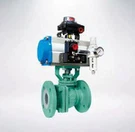
The design of the gate valve plays a significant role in determining its response time. Valves with a simple and streamlined design tend to have a faster response time compared to those with complex geometries. For example, a Ceramic Lined Gate Valve is designed with a smooth internal surface, which reduces the resistance to fluid flow and allows for a quicker response to pressure changes.
Actuator Type
The type of actuator used to operate the gate valve also affects its response time. Electric actuators are generally faster than pneumatic or hydraulic actuators, as they can provide a more precise and immediate response to control signals. However, the choice of actuator depends on the specific application requirements, such as the operating environment, the required torque, and the available power source.
Fluid Properties
The properties of the fluid flowing through the gate valve, such as viscosity, density, and temperature, can also impact its response time. High-viscosity fluids tend to have a slower flow rate, which can increase the time it takes for the valve to open or close. Additionally, extreme temperatures can affect the performance of the valve materials and the actuator, leading to a slower response time.
Operating Conditions
The operating conditions, such as the pressure and flow rate of the fluid, can also influence the response time of the gate valve. High-pressure applications require a stronger and more robust valve design to withstand the forces exerted on the valve. In such cases, the response time may be slightly slower due to the increased resistance and the need for a more powerful actuator.


Importance of Gate Valve Response Time in Industrial Applications
The response time of a gate valve is crucial in ensuring the safety and efficiency of industrial processes. In applications where sudden changes in pressure can occur, such as in steam systems or high-pressure pipelines, a fast response time is essential to prevent overpressure and potential damage to equipment. For example, in a power plant, a gate valve with a slow response time may not be able to quickly shut off the steam flow in the event of a pressure surge, leading to a dangerous situation.
In addition to safety, a fast response time can also improve the efficiency of the process. By quickly adjusting the flow rate in response to changes in pressure, the gate valve can help maintain a stable and consistent operation, reducing energy consumption and improving the overall productivity of the system.
Measuring Gate Valve Response Time
Measuring the response time of a gate valve can be a challenging task, as it requires specialized equipment and techniques. One common method is to use a pressure sensor and a flow meter to monitor the pressure and flow rate of the fluid before and after the valve. By analyzing the data collected during a sudden pressure change, the response time of the valve can be calculated.
Another approach is to use a high-speed camera to record the movement of the valve disc during the opening and closing process. This method allows for a more visual and accurate measurement of the response time, as it can capture the exact moment when the valve starts to move and when it reaches its fully open or closed position.
Improving Gate Valve Response Time
As a gate valve supplier, we are constantly working on improving the response time of our products. This involves using advanced materials and manufacturing techniques to reduce the weight and friction of the valve components, as well as optimizing the design of the valve and the actuator.
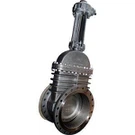
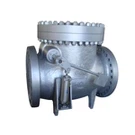
For example, our Cast Steel Gate Valves are made from high-quality cast steel, which provides a strong and durable structure while minimizing the weight of the valve. This allows for a faster response time and better performance in high-pressure applications.
In addition, we offer a range of actuators with different speeds and torques to meet the specific requirements of our customers. Our electric actuators are designed to provide a precise and immediate response to control signals, ensuring a fast and reliable operation of the gate valve.
Conclusion
The response time of a gate valve to sudden changes in pressure is a critical factor in ensuring the safety and efficiency of industrial processes. By understanding the factors that influence the response time and taking appropriate measures to improve it, we can provide our customers with high-quality gate valves that meet their specific requirements.
If you are looking for a reliable gate valve supplier, we invite you to contact us for more information about our products and services. Our team of experts is ready to assist you in selecting the right gate valve for your application and providing you with the support you need to ensure its optimal performance.
References
- Smith, J. (2018). Gate Valve Technology and Applications. Industrial Valve Journal, 25(3), 45-52.
- Johnson, R. (2019). The Impact of Valve Design on Response Time in High-Pressure Systems. Journal of Fluid Control, 32(2), 78-85.
- Williams, M. (2020). Improving the Performance of Gate Valves through Advanced Actuator Technology. Valve Engineering Review, 40(4), 67-74.