

Are soft seated ball valves bidirectional? That's a question I get asked a lot as a supplier of Soft Seated Ball Valves. In this blog, I'm gonna break down what bidirectional flow means, whether soft seated ball valves can handle it, and why it matters for your projects.
Let's start with the basics. A bidirectional valve is one that can allow fluid or gas to flow through it in two directions. This is super important in many industrial applications where the flow direction might change depending on the process requirements. For example, in a chemical plant, you might need to reverse the flow of a certain chemical during different stages of a reaction.
Now, let's talk about soft seated ball valves. These valves are known for their excellent sealing capabilities. The soft seat, usually made of materials like PTFE (polytetrafluoroethylene) or other elastomers, creates a tight seal against the ball, preventing leakage. But can they handle bidirectional flow?
The short answer is, it depends. Most modern soft seated ball valves are designed to be bidirectional. The design of the valve allows the ball to rotate freely and the soft seat to form a seal regardless of the flow direction. This is great news for industries that need flexibility in their piping systems.
However, there are some factors that can affect the bidirectional performance of soft seated ball valves. One of the main factors is the pressure differential. If there's a significant difference in pressure between the two sides of the valve, it can put extra stress on the soft seat. In some cases, this can cause the seat to deform or even get damaged, which might lead to leakage.
Another factor is the type of fluid or gas flowing through the valve. Some aggressive chemicals or high - temperature fluids can degrade the soft seat material over time. This can also compromise the valve's ability to seal effectively in both directions.
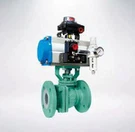
To ensure that your soft seated ball valve can handle bidirectional flow, it's important to choose the right valve for your application. Consider the pressure and temperature ratings, the type of fluid or gas, and the frequency of flow reversals. If you're dealing with high - pressure or corrosive environments, you might want to look into Ceramic Lined Ball Valve. These valves offer excellent resistance to wear and corrosion, which can extend the valve's lifespan and maintain its bidirectional performance.
If you're working with chemicals that require a high - level of chemical resistance, PFA Lined Ball Valve could be a great option. The PFA lining provides a protective barrier between the fluid and the valve body, preventing chemical attack on the valve components.
As a Soft Seated Ball Valve supplier, I've seen firsthand how important it is to have the right valve for the job. I've worked with many customers who initially chose the wrong valve and ended up facing issues like leakage, valve failure, and costly downtime. That's why I always recommend doing a thorough analysis of your application before making a decision.
One of the advantages of using bidirectional soft seated ball valves is the cost - savings. Since you don't need to install separate valves for each flow direction, you can reduce the number of valves in your piping system. This not only saves on the initial purchase cost but also on installation and maintenance costs.
Another benefit is the space - savings. In industries where space is limited, having a single valve that can handle bidirectional flow can be a game - changer. It allows you to design more compact piping systems, which can lead to more efficient use of space in your facility.
But how do you know if a soft seated ball valve is truly bidirectional? Well, one way is to look at the valve's specifications. Reputable valve manufacturers will clearly state whether the valve is bidirectional or not. You can also ask for testing reports or certifications to verify the valve's performance.
In addition to the technical aspects, it's also important to consider the quality of the valve. A high - quality soft seated ball valve will be made with precision and using the best materials. This ensures that the valve will perform reliably over a long period of time, even under challenging conditions.
When it comes to choosing a Soft Seated Ball Valve, don't just focus on the price. A cheaper valve might seem like a good deal at first, but it could end up costing you more in the long run if it fails to perform as expected. Look for a supplier who has a good reputation in the industry and can provide you with reliable products and excellent customer service.
As a supplier, I'm always here to help you make the right choice. Whether you need a bidirectional soft seated ball valve for a small project or a large - scale industrial application, I can provide you with the information and support you need. I can also offer customized solutions based on your specific requirements.
If you're in the market for a Seated Ball Valve and have questions about bidirectional flow or any other aspect of valve selection, don't hesitate to reach out. I'd be more than happy to have a chat with you and discuss how we can meet your needs. Whether it's determining the right valve size, material, or configuration, I've got the expertise to guide you through the process.
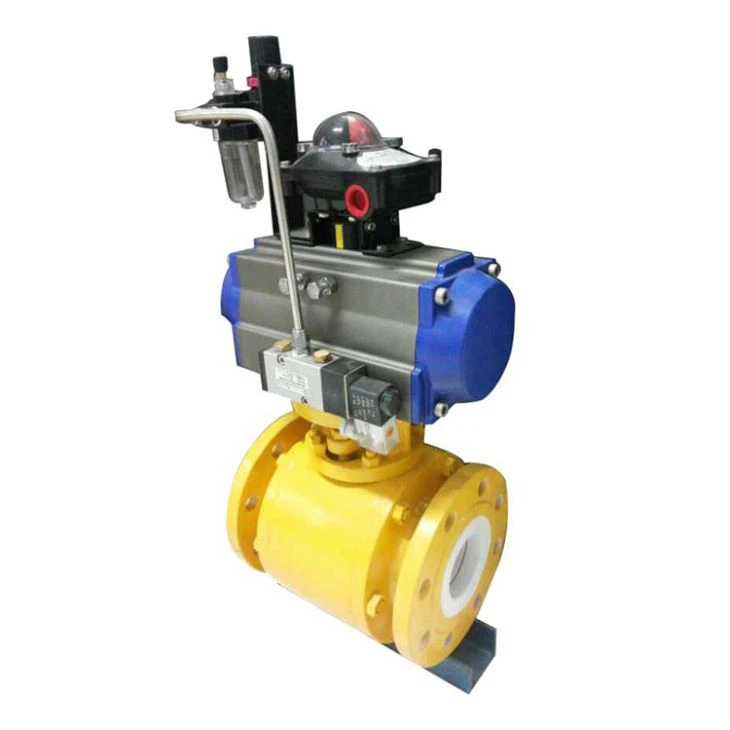

In conclusion, soft seated ball valves can be bidirectional in many cases, but it's crucial to consider the application's specific requirements. By choosing the right valve and working with a reliable supplier, you can ensure that your piping system operates smoothly and efficiently. So, if you're looking for a bidirectional soft seated ball valve, give me a shout, and let's start the conversation about your project.
References
- Valve Handbook, 4th Edition by J. S. T. Smith
- Industrial Valves: Selection and Sizing by Cameron Engineers
- Ball Valve Technology by Crane Co.