

Corrosion is a significant concern in many industrial applications, especially where valves come into contact with aggressive fluids. As a diaphragm valve supplier, I understand the crucial role that corrosion resistance plays in the performance and longevity of our products. In this blog post, I will delve into what corrosion resistance means for diaphragm valves, the factors that influence it, and how our diaphragm valves are designed to withstand corrosive environments.
Understanding Corrosion in Diaphragm Valves
Corrosion is the gradual deterioration of a material due to chemical reactions with its environment. In the context of diaphragm valves, corrosion can occur on the valve body, the diaphragm itself, and other internal components. This can lead to reduced valve performance, leakage, and ultimately, failure. Understanding the types of corrosion that a diaphragm valve may encounter is the first step in ensuring its long - term functionality.
General Corrosion: This is the most common form of corrosion, where the entire surface of a metal component is uniformly attacked. In diaphragm valves, general corrosion can affect the valve body if it is not adequately protected. For example, if the valve body is made of a metal that is susceptible to oxidation in a particular fluid environment, a thin layer of oxide may form over time, gradually reducing the thickness of the material and weakening the valve structure.
Pitting Corrosion: Pitting is a localized form of corrosion that results in the formation of small holes or pits on the surface of a metal. It can be particularly dangerous because it can cause sudden and severe damage to a valve component. Pitting corrosion often occurs in areas where the protective surface layer of a metal has been breached, such as at scratches or in the presence of certain impurities in the fluid.
Crevice Corrosion: This type of corrosion occurs in narrow gaps or crevices between two components. In a diaphragm valve, crevice corrosion can happen at the interface between the diaphragm and the valve body or in the gaps around bolts and seals. The restricted access of oxygen in these crevices can create a differential aeration cell, leading to accelerated corrosion.
Factors Influencing the Corrosion Resistance of Diaphragm Valves
Several factors influence the corrosion resistance of diaphragm valves. These include the materials used in the valve construction, the nature of the fluid being handled, and the operating conditions.
Materials Selection: The choice of materials for the valve body, diaphragm, and other internal components is perhaps the most critical factor in determining corrosion resistance. For the valve body, common materials include metals such as cast iron, stainless steel, and various alloys. Each material has different levels of resistance to different types of corrosion. For example, stainless steel is known for its good resistance to general corrosion and pitting in many environments, thanks to the presence of chromium, which forms a protective oxide layer on the surface.
The diaphragm material is also of utmost importance. Diaphragms can be made from a variety of elastomers and plastics, such as EPDM (Ethylene Propylene Diene Monomer), PTFE (Polytetrafluoroethylene), and NBR (Nitrile Butadiene Rubber). EPDM is often used in applications where the fluid is water - based or has mild chemical properties, as it offers good resistance to water and oxygen. PTFE, on the other hand, is highly resistant to a wide range of chemicals, including acids, bases, and organic solvents, making it suitable for more aggressive applications.
Fluid Properties: The chemical composition, temperature, and pH of the fluid being handled have a significant impact on the corrosion rate of a diaphragm valve. Aggressive chemicals such as strong acids or alkalis can react with the valve materials, causing corrosion. For example, hydrochloric acid is a highly corrosive substance that can quickly attack unprotected metal surfaces. High - temperature fluids can also accelerate the corrosion process, as chemical reactions generally occur more rapidly at higher temperatures. Additionally, the pH of the fluid can affect the stability of the protective oxide layers on metal surfaces. A low - pH (acidic) or high - pH (alkaline) environment can break down these layers, making the metal more susceptible to corrosion.
Operating Conditions: The operating conditions, such as pressure and flow rate, can also influence corrosion resistance. High - pressure applications can cause mechanical stress on the valve components, which may lead to cracking or deformation. These defects can expose fresh metal surfaces to the corrosive fluid, accelerating the corrosion process. Similarly, high flow rates can cause erosion - corrosion, where the fluid flowing at high velocity wears away the protective layer on the valve surface, increasing the rate of corrosion.
Corrosion - Resistant Features of Our Diaphragm Valves
As a diaphragm valve supplier, we take several measures to ensure the high corrosion resistance of our products.


Lining Technologies: We offer diaphragm valves with various lining options to protect the valve body from corrosive fluids. For example, our Weir Type Diaphragm Valve can be lined with rubber, which provides excellent resistance to a wide range of chemicals and is also flexible enough to withstand frequent valve operations. The rubber lining acts as a barrier between the fluid and the valve body, preventing direct contact and reducing the risk of corrosion.
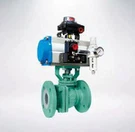
In addition to rubber lining, we also provide Teflon - lined options. Our Pneumatic Teflon lined diaphragm valve is ideal for handling highly corrosive fluids. Teflon (PTFE) is extremely resistant to chemicals, heat, and wear, making it an excellent choice for demanding applications.
Diaphragm Materials: We carefully select diaphragm materials based on the specific requirements of each application. Our diaphragms are made from high - quality elastomers and plastics that offer superior corrosion resistance. For example, in applications where the fluid is highly acidic, we may recommend a PTFE diaphragm, which can withstand the corrosive effects of acids without degradation.
Design Considerations: Our valve designs are optimized to minimize the risk of crevice corrosion and other forms of localized corrosion. We use smooth - walled internal surfaces to reduce the areas where corrosion - promoting agents can accumulate. Additionally, our valves are designed with proper sealing mechanisms to prevent fluid leakage and the entry of corrosive substances into critical areas.
Different Types of Diaphragm Valves and Their Corrosion Resistance
Weir Type Diaphragm Valve: The Weir Type Diaphragm Valve is a popular choice in many industrial applications. Its design features a raised weir or ridge in the flow path, which provides a more positive shut - off. The rubber lining or other protective coatings on the valve body and the use of corrosion - resistant diaphragms make it suitable for handling a variety of corrosive fluids, including acids, alkalis, and slurries.
Pneumatic Teflon lined diaphragm valve: This type of valve combines the advantages of pneumatic operation with the excellent corrosion resistance of Teflon lining. The pneumatic actuator allows for quick and precise control of the valve, while the Teflon lining provides protection against a wide range of aggressive chemicals. It is commonly used in chemical processing plants, pharmaceutical manufacturing, and other industries where high - purity and corrosion resistance are required.
Straight Type Diaphragm Valve: The Straight Type Diaphragm Valve has a straight - through flow path, which minimizes pressure drop and is suitable for applications where low - turbulence flow is required. Similar to other types of diaphragm valves, it can be constructed with corrosion - resistant materials and linings to handle corrosive fluids effectively.
Importance of Corrosion Resistance in Industrial Applications
In industrial applications, the corrosion resistance of diaphragm valves is of utmost importance. It directly affects the reliability and safety of the entire process. A corroded valve can lead to leaks, which can result in product contamination, environmental pollution, and even safety hazards. For example, in the chemical industry, a leak of a corrosive chemical from a valve can cause serious damage to equipment, harm to personnel, and costly downtime for repairs.
Moreover, corrosion - resistant diaphragm valves can reduce maintenance costs and extend the service life of the equipment. By choosing valves with high corrosion resistance, industries can avoid frequent valve replacements and repairs, leading to significant cost savings over the long term.
Conclusion
Corrosion resistance is a critical factor in the performance and longevity of diaphragm valves. As a diaphragm valve supplier, we are committed to providing high - quality products that can withstand the most challenging corrosive environments. Our range of diaphragm valves, including Weir Type Diaphragm Valve, Pneumatic Teflon lined diaphragm valve, and Straight Type Diaphragm Valve, are designed with the latest technologies and materials to ensure optimal corrosion resistance.
If you are in need of corrosion - resistant diaphragm valves for your industrial applications, do not hesitate to contact us for a detailed discussion of your requirements. We are ready to provide you with the best solutions and technical support to meet your specific needs.
References
- "Corrosion Engineering" by Mario Fontana
- "Handbook of Corrosion Data" by Bruce Dunn