


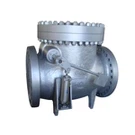
The opening and closing torque of a globe valve is a critical parameter that directly influences its performance, operability, and overall functionality. As a seasoned globe valve supplier, I understand the importance of these torques in various industrial applications. In this blog, we'll delve deep into what opening and closing torque mean, what factors affect them, and why they matter in the real - world use of globe valves.
What are Opening and Closing Torque?
The opening torque of a globe valve is the amount of force required to start moving the valve disc from its closed position to an open position. It is the initial effort needed to overcome the static friction between the valve disc and the seat, as well as any forces exerted by the fluid pressure acting on the disc. On the other hand, the closing torque is the force required to move the valve disc from an open position back to the closed position, ensuring a tight seal against the seat.
For example, in a water supply system, when you turn the handle of a globe valve to start the water flow, you are applying the opening torque. And when you turn it back to stop the flow, you are using the closing torque. These torques are not just about the physical effort of an operator; they also have implications for the valve's long - term durability and the safety of the entire system.
Factors Affecting Opening and Closing Torque
1. Valve Size
Larger globe valves generally require higher opening and closing torques. This is because the surface area of the valve disc and seat is larger, which means there is more contact area for friction. Also, a larger valve may be handling a higher volume of fluid, and the pressure exerted by the fluid on the disc is greater. For instance, a 12 - inch globe valve will typically need more torque to open and close compared to a 2 - inch one.
2. Fluid Pressure
The pressure of the fluid inside the valve has a significant impact on the torques. Higher fluid pressure increases the force acting on the valve disc, making it more difficult to open or close the valve. In high - pressure steam systems, for example, the opening and closing torques can be several times higher than in low - pressure water systems.
3. Seat Design
The design of the valve seat plays a crucial role. A well - machined and properly seated valve will have lower friction, resulting in lower torques. Different seat materials also have different coefficients of friction. For example, a valve with a soft rubber seat may have lower torques compared to one with a hard metal seat, but the rubber seat may not be suitable for high - temperature or high - pressure applications.
4. Stem Friction
The valve stem, which connects the actuator (such as a handwheel or an electric motor) to the valve disc, can contribute to the overall torque requirements. If the stem is not properly lubricated or if there is debris in the stem packing, the friction will increase, and so will the opening and closing torques.
Importance of Understanding Opening and Closing Torque
1. System Safety
If the opening and closing torques are not properly considered, it can lead to safety hazards. For example, if an operator tries to open a valve with a torque that is too high for the valve's design, it may cause the valve to malfunction, leading to leaks or even explosions in extreme cases. In a chemical processing plant, a valve failure due to incorrect torque can release hazardous chemicals into the environment.
2. Operational Efficiency
Knowing the correct opening and closing torques helps in selecting the right actuator for the valve. If an actuator is too weak, it may not be able to open or close the valve properly. On the other hand, an oversized actuator is a waste of energy and money. For a large - scale oil refinery, using the right - sized actuator based on the valve's torque requirements can lead to significant energy savings over time.
3. Valve Longevity
Applying the correct torques ensures that the valve components, such as the disc, seat, and stem, are not subjected to excessive stress. This extends the valve's service life and reduces the frequency of maintenance and replacement. A valve that is constantly over - torqued will experience premature wear and tear, leading to costly repairs.
Different Types of Globe Valves and Their Torque Characteristics
Bellow Sealed Globe Valve
Bellow sealed globe valves are designed to provide a hermetic seal, which is especially important in applications where leakage cannot be tolerated, such as in nuclear power plants or chemical industries. The bellows add an additional layer of complexity to the valve design, which can affect the opening and closing torques. The bellows need to be compressed or expanded during the opening and closing process, which may increase the torque requirements slightly compared to a standard globe valve. However, the benefits of a leak - free operation often outweigh the slightly higher torques.
Pressure Seal Globe Valve
Pressure seal globe valves are commonly used in high - pressure applications. The pressure - seal design allows the valve to maintain a tight seal as the pressure inside the valve increases. These valves typically have higher opening and closing torques due to the high - pressure environment they are designed for. The pressure acting on the valve disc and seat makes it more difficult to move the disc, and the robust construction of the valve also adds to the overall torque requirements.
Straight Globe Valve
Straight globe valves have a relatively simple design, with the fluid flowing straight through the valve. Compared to other types of globe valves, they generally have lower opening and closing torques. This is because the flow path is less complex, and there is less resistance to the movement of the valve disc. They are often used in applications where a lower - torque valve is required, such as in some low - pressure water systems.
Measuring and Controlling Opening and Closing Torque
To ensure the proper operation of a globe valve, it is essential to measure the opening and closing torques accurately. Specialized torque wrenches or torque sensors can be used to measure the torques during valve installation and maintenance. By regularly monitoring the torques, any changes in the valve's performance can be detected early.
If the torques are found to be higher than the recommended values, several measures can be taken. Lubricating the valve stem and seat can reduce friction and lower the torques. In some cases, adjusting the packing around the stem can also help. If the problem persists, it may be necessary to replace worn - out components such as the valve disc or seat.
Conclusion
In conclusion, the opening and closing torque of a globe valve is a multifaceted concept that is influenced by various factors such as valve size, fluid pressure, seat design, and stem friction. Understanding these torques is crucial for ensuring the safety, efficiency, and longevity of the valve and the entire system it is part of.
As a globe valve supplier, we are committed to providing our customers with high - quality valves and accurate information about their opening and closing torques. Whether you need a Bellow Sealed Globe Valve, a Pressure Seal Globe Valve, or a Straight Globe Valve, we have the expertise to help you select the right valve for your application.
If you are interested in purchasing globe valves or have any questions about opening and closing torques, feel free to contact us for a detailed discussion. Our team of experts is ready to assist you in making the best decision for your industrial needs.


References
- Crane Co., "Flow of Fluids Through Valves, Fittings, and Pipe", Technical Paper No. 410.
- ASME B16.34, "Valves - Flanged, Threaded, and Welding End".
- API 600, "Steel Gate, Globe, and Check Valves".