

As a seasoned supplier of Automatic Control Valves, I've witnessed firsthand the evolution and transformation of these essential components in various industrial and commercial settings. Upgrading an existing Automatic Control Valve is not just a matter of replacing old parts; it's a strategic decision that can significantly enhance system efficiency, reliability, and performance. In this blog, I'll share some valuable insights and practical steps on how to upgrade an existing Automatic Control Valve.
Understanding the Need for Upgrade
Before diving into the upgrade process, it's crucial to understand why an upgrade is necessary. There are several common reasons for upgrading an Automatic Control Valve:
- Improved Performance: Older valves may not be able to meet the current performance requirements of the system. Upgrading can enhance flow control accuracy, response time, and overall system efficiency.
- Enhanced Reliability: As valves age, they are more prone to wear and tear, leaks, and malfunctions. Upgrading can reduce the risk of downtime and maintenance costs.
- Compliance with Standards: New regulations and industry standards may require the use of more advanced control valves. Upgrading ensures compliance and avoids potential legal issues.
- Energy Efficiency: Modern control valves are designed to be more energy-efficient, reducing operating costs and environmental impact.
Assessing the Existing Valve
The first step in the upgrade process is to assess the existing valve thoroughly. This involves:
- Inspection: Conduct a visual inspection of the valve to check for any signs of damage, wear, or corrosion. Look for leaks, loose connections, and abnormal operation.
- Performance Testing: Measure the valve's performance parameters, such as flow rate, pressure drop, and control accuracy. Compare the results with the valve's specifications to identify any deviations.
- Documentation Review: Review the valve's installation, operation, and maintenance manuals to understand its design, function, and limitations. Check for any previous maintenance records or service history.
Selecting the Right Upgrade Option
Once you have a clear understanding of the existing valve's condition and the reasons for the upgrade, you can start selecting the right upgrade option. There are several options available, depending on your specific needs and budget:
- Component Replacement: If the valve's basic structure is still in good condition, you may only need to replace some worn or damaged components, such as seals, gaskets, or actuators. This is a cost-effective option that can significantly improve the valve's performance.
- Valve Retrofit: A valve retrofit involves modifying the existing valve to improve its performance or functionality. This may include upgrading the control system, adding sensors or actuators, or changing the valve's trim. Retrofits can be more expensive than component replacement but offer greater flexibility and customization.
- Valve Replacement: In some cases, it may be more cost-effective to replace the entire valve with a new one. This is especially true if the existing valve is severely damaged, obsolete, or no longer meets the system's requirements. When selecting a new valve, consider factors such as valve type, size, material, and performance specifications.
Considering the System Requirements
When upgrading an Automatic Control Valve, it's essential to consider the system's requirements carefully. This includes:
- Flow Rate and Pressure: Ensure that the upgraded valve can handle the system's flow rate and pressure requirements. Consider factors such as maximum and minimum flow rates, pressure drop, and control accuracy.
- Fluid Characteristics: The type of fluid being controlled can have a significant impact on the valve's performance and durability. Consider factors such as fluid viscosity, temperature, corrosiveness, and abrasiveness.
- Control System Compatibility: If you are upgrading the control system, make sure it is compatible with the existing valve and the overall system. Consider factors such as communication protocols, signal types, and control algorithms.
- Safety and Compliance: Ensure that the upgraded valve meets all relevant safety standards and regulations. Consider factors such as pressure relief, fire protection, and environmental requirements.
Installation and Commissioning
Once you have selected the right upgrade option and considered the system requirements, it's time to install and commission the upgraded valve. This involves:
- Installation: Follow the manufacturer's installation instructions carefully to ensure proper installation of the valve. Make sure all connections are tight, and the valve is properly aligned and supported.
- Testing and Calibration: Conduct thorough testing and calibration of the valve to ensure it is operating correctly. This includes checking the valve's performance parameters, such as flow rate, pressure drop, and control accuracy.
- Training and Documentation: Provide training to the system operators on how to operate and maintain the upgraded valve. Keep detailed documentation of the upgrade process, including installation instructions, test results, and maintenance records.
Maintenance and Support
Upgrading an Automatic Control Valve is not a one-time event; it requires ongoing maintenance and support to ensure optimal performance and reliability. This includes:
- Regular Inspection and Maintenance: Schedule regular inspections and maintenance of the valve to check for any signs of wear, damage, or malfunction. Follow the manufacturer's recommended maintenance schedule and procedures.
- Spare Parts Management: Keep a stock of essential spare parts to minimize downtime in case of a valve failure. Make sure the spare parts are compatible with the upgraded valve and are stored properly.
- Technical Support: Establish a relationship with the valve manufacturer or a qualified service provider to get technical support and assistance when needed. This can include troubleshooting, repair, and replacement services.
Conclusion
Upgrading an existing Automatic Control Valve is a strategic decision that can significantly enhance system efficiency, reliability, and performance. By understanding the need for the upgrade, assessing the existing valve, selecting the right upgrade option, considering the system requirements, and following proper installation, commissioning, maintenance, and support procedures, you can ensure a successful upgrade project.
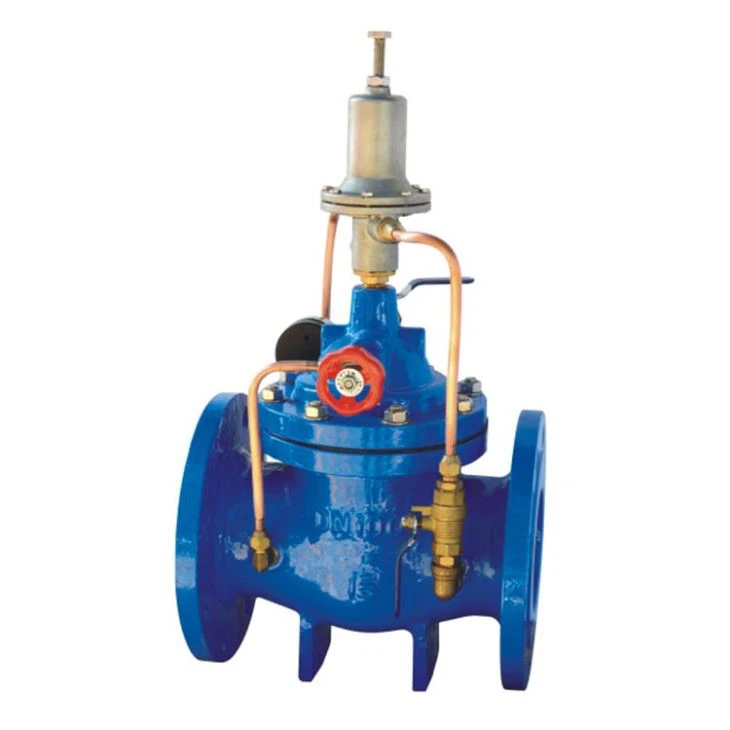

If you are considering upgrading your Automatic Control Valve, I encourage you to [contact us] for more information and expert advice. Our team of experienced engineers and technicians can help you select the right upgrade option for your specific needs and budget, and provide you with high-quality products and services.
References
- [Name of Valve Manufacturer's Manual], [Year of Publication]
- [Industry Standard for Automatic Control Valves], [Year of Publication]
- [Technical Article on Valve Upgrades], [Author], [Year of Publication]