

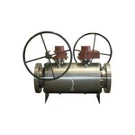
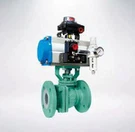
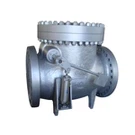
Hey there! As a supplier of fully welded ball valves, I've seen firsthand the numerous advantages these valves bring to the table. In this blog, I'm gonna break down why using a fully welded ball valve can be a game - changer for your operations.
1. Leak - Proof Design
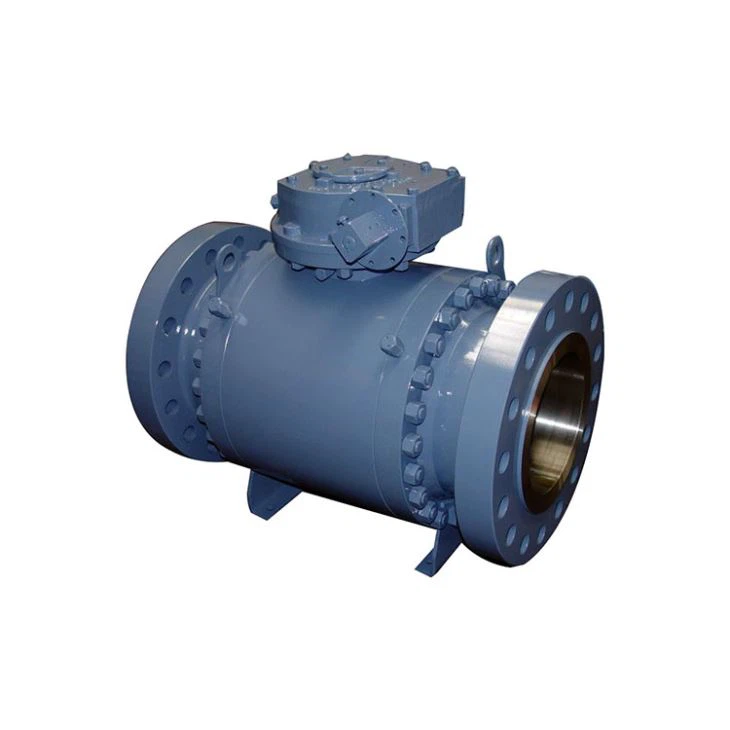
One of the most significant advantages of fully welded ball valves is their leak - proof design. Unlike other types of valves that might have joints or flanges where leaks can occur, fully welded ball valves are constructed by welding the body parts together. This creates a seamless and continuous structure.
In industries where even the slightest leak can be a big problem, like oil and gas, chemical processing, and water treatment, this feature is a real lifesaver. For example, in an oil pipeline, a leak can not only lead to a loss of valuable resources but also pose a serious environmental risk. With a fully welded ball valve, you can rest assured that your system is secure and that there won't be any unwanted spills or emissions.
2. High Pressure and Temperature Resistance
Fully welded ball valves are built to handle high - pressure and high - temperature environments. The welding process used in their construction makes the valve body strong and durable. This means they can withstand the extreme conditions often found in industrial applications.
In power plants, for instance, where steam at high pressures and temperatures is used to generate electricity, fully welded ball valves can regulate the flow of steam effectively. They won't crack or deform under the stress, ensuring the smooth operation of the entire power - generation system. This high resistance also reduces the need for frequent valve replacements, saving both time and money in the long run.
3. Low Maintenance
Another great thing about fully welded ball valves is that they require very little maintenance. Since there are no external bolts or flanges that can loosen over time, there's less chance of mechanical failure. The internal components of the valve are also well - protected within the welded body, which means they're less likely to be damaged by external factors like dirt, dust, or moisture.
This low - maintenance characteristic is a huge plus for industries that rely on continuous operation. For example, in a refinery, any downtime for valve maintenance can result in significant production losses. With fully welded ball valves, you can keep your operations running smoothly with minimal interruptions for maintenance work.
4. Long Service Life
Fully welded ball valves have a long service life. The combination of a strong welded body and high - quality internal components means they can last for many years. This long lifespan is an economic advantage because it reduces the frequency of valve replacements.
In a water - distribution system, for example, valves need to work reliably for a long time. A fully welded ball valve can serve for decades, ensuring the efficient distribution of water to homes and businesses. This long - term reliability is something that many industries look for when choosing valves for their systems.
5. Compact and Lightweight
Compared to some other types of valves, fully welded ball valves are relatively compact and lightweight. This makes them easier to install, especially in tight spaces. Their lightweight nature also reduces the load on the pipeline system, which can be beneficial in terms of overall system stability.
In offshore oil rigs, where space is at a premium, the compact size of fully welded ball valves is a major advantage. They can be installed in areas where larger valves simply won't fit, allowing for more efficient use of the limited space available on the rig.
6. Versatility
Fully welded ball valves are versatile and can be used in a wide range of applications. Whether it's for controlling the flow of liquids, gases, or even slurries, these valves can get the job done. They come in different sizes and configurations to suit various system requirements.
For example, in the food and beverage industry, fully welded ball valves can be used to control the flow of ingredients during the production process. They can also be used in the pharmaceutical industry to regulate the flow of chemicals in manufacturing processes. This versatility makes them a popular choice for many different sectors.
Comparison with Other Types of Ball Valves
Let's take a quick look at how fully welded ball valves stack up against other types of ball valves. You might have heard of Soft Seated Ball Valve, PFA Lined Ball Valve, and Metal Seated Ball Valve.
Soft - seated ball valves are known for their good sealing performance at low pressures. However, they may not be as suitable for high - pressure or high - temperature applications as fully welded ball valves. PFA - lined ball valves are great for handling corrosive substances, but they might not have the same level of strength and durability as fully welded ball valves in extreme conditions. Metal - seated ball valves are strong and can handle high temperatures, but they may be more prone to leaks at the joints compared to fully welded ball valves.
Conclusion
In conclusion, the advantages of using a fully welded ball valve are clear. From their leak - proof design and high - pressure resistance to their low maintenance and long service life, these valves offer a lot of benefits for various industries. Whether you're in the oil and gas, power generation, water treatment, or any other industry that requires reliable valve operation, fully welded ball valves are a great choice.
If you're interested in learning more about our fully welded ball valves or are looking to make a purchase, don't hesitate to reach out. We're here to help you find the right valve solutions for your specific needs. Let's start a conversation about how our fully welded ball valves can improve your operations.

References
- Industrial Valve Handbook: Covers general information about different types of valves and their applications.
- Journal of Fluid Control Systems: Contains research on the performance of various valve designs under different conditions.