

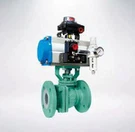
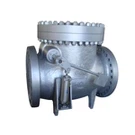
A dual plate check valve is a critical component in many fluid systems, designed to allow fluid to flow in one direction while preventing backflow. Understanding its flow direction indication is essential for proper installation and operation. As a supplier of Dual Plate Check Valves, I am well - versed in the technical details and practical applications of these valves, and I'm here to share comprehensive insights on this topic.
Basic Principle of Dual Plate Check Valves
Before delving into the flow direction indication, it's important to understand how a dual plate check valve works. The valve consists of two semicircular discs that are hinged at the center. When the fluid flows in the forward direction, the pressure of the fluid pushes the discs open, allowing the fluid to pass through. Once the flow stops or reverses, the discs close under the action of gravity, spring force, and the back - pressure of the fluid, preventing the backflow.
Flow Direction Indication on the Valve Body
Most dual plate check valves come with clear flow direction indications on the valve body. This is typically marked with an arrow. The arrow points in the direction of the normal forward flow of the fluid. When installing the valve, it is crucial to align this arrow with the intended flow direction of the pipeline. Misalignment can lead to improper valve operation, including failure to prevent backflow or excessive pressure drop in the system.
For example, in a water supply system, if the dual plate check valve is installed in the wrong direction, the water may not be able to flow through the valve efficiently, or it may even cause water to flow back into the source, which can contaminate the water supply or damage the pumping equipment.
Importance of Correct Flow Direction in Different Applications
Industrial Processes
In industrial settings such as chemical plants or refineries, the correct flow direction of a dual plate check valve is of utmost importance. These industries often deal with corrosive, flammable, or toxic fluids. If the valve is installed incorrectly, it can lead to serious safety hazards. For instance, in a chemical reaction process, backflow of reactants can disrupt the reaction, cause over - pressure in the system, and potentially lead to chemical spills or explosions.
HVAC Systems
In heating, ventilation, and air - conditioning (HVAC) systems, dual plate check valves are used to control the flow of refrigerant or water. Correct flow direction ensures efficient heat transfer and proper operation of the system. Incorrect installation can result in reduced cooling or heating capacity, increased energy consumption, and premature wear of the system components.
Comparison with Other Types of Check Valves
When comparing dual plate check valves with other types of check valves, such as the Ball Float Pattern Rubber Lined Check Valve and pressure seal check valve, the flow direction indication and operation principles have some differences.
The ball float pattern rubber - lined check valve uses a floating ball to control the flow. The flow direction is also indicated on the valve body, but its operation is based on the buoyancy of the ball. When the fluid flows in the forward direction, the ball is pushed up, allowing the fluid to pass. In the case of backflow, the ball drops to seal the valve opening.
On the other hand, the pressure seal check valve, also known as a swing check valve, has a disc that swings open and closed. The flow direction is marked on the valve, and the disc swings open under the forward flow pressure and closes due to gravity and back - pressure.
Installation and Maintenance Considerations Related to Flow Direction
During the installation process, in addition to aligning the flow direction arrow on the valve body with the pipeline flow, it is also necessary to ensure that the valve is installed in a proper position. For example, the valve should be installed in a straight section of the pipeline to avoid any interference with the valve operation.
Regular maintenance is also crucial to ensure the correct flow direction and proper functioning of the dual plate check valve. This includes inspecting the valve for any signs of wear, damage, or blockage. If the valve is not closing properly, it may be due to debris in the valve or damage to the hinge mechanism, which can affect the flow direction control.
How to Determine the Flow Direction in Complex Systems
In some complex fluid systems, it may not be immediately obvious what the correct flow direction should be. In such cases, engineers and technicians need to refer to the system design documents, which usually include flow diagrams indicating the intended flow path. Additionally, pressure sensors can be installed in the pipeline to monitor the pressure changes, which can help determine the flow direction.
Our Role as a Dual Plate Check Valve Supplier
As a supplier of Dual Plate Check Valves, we not only provide high - quality valves but also offer technical support to our customers. We ensure that our valves are clearly marked with the flow direction indication and provide detailed installation and operation manuals. Our team of experts is available to assist customers in determining the correct flow direction for their specific applications and to troubleshoot any issues related to valve installation and operation.
If you are in need of dual plate check valves or have any questions regarding their flow direction or other technical aspects, we invite you to contact us for further discussion. Our goal is to provide you with the best solutions for your fluid control needs, ensuring the safe and efficient operation of your systems. Whether you are involved in industrial processes, HVAC systems, or other applications, we can offer the right dual plate check valves and support services.


References
- "Valve Handbook" by Tom Henry
- "Fluid Mechanics and Thermodynamics of Turbomachinery" by S. L. Dixon
- Industry standards and guidelines related to check valve installation and operation.