

Proper storage of diaphragm valves is crucial to maintain their performance and extend their service life. As a diaphragm valve supplier, I understand the significance of providing guidance on this topic. In this blog post, I will share some essential tips on how to store diaphragm valves properly.
1. Understanding Diaphragm Valves
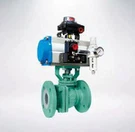
Before delving into storage methods, it's important to have a basic understanding of diaphragm valves. Diaphragm valves are widely used in various industries due to their excellent sealing performance, corrosion resistance, and ability to handle a wide range of fluids. There are different types of diaphragm valves, such as pneumatic diaphragm valve, Straight Type Diaphragm Valve, and Weir Type Diaphragm Valve. Each type has its own characteristics and applications.
2. Cleaning Before Storage
Before storing diaphragm valves, it is essential to clean them thoroughly. This helps to remove any dirt, debris, or residual fluids that may cause corrosion or damage during storage. Follow these steps for proper cleaning:
- Disassemble the Valve: If possible, disassemble the diaphragm valve into its components, including the diaphragm, body, and actuator. This allows for more thorough cleaning.
- Use Appropriate Cleaning Agents: Select cleaning agents that are compatible with the valve materials. Avoid using abrasive cleaners or solvents that may damage the valve surfaces.
- Rinse and Dry: After cleaning, rinse the components with clean water to remove any remaining cleaning agents. Then, dry them completely to prevent rust or corrosion.
3. Storage Environment
The storage environment plays a vital role in preserving the quality of diaphragm valves. Here are some key factors to consider:


- Temperature: Store diaphragm valves in a temperature-controlled environment. Extreme temperatures can cause the diaphragm material to expand or contract, leading to seal failure. The ideal temperature range for storage is typically between 10°C and 30°C (50°F and 86°F).
- Humidity: High humidity can promote the growth of mold and mildew, which can damage the valve components. Keep the storage area dry, with a relative humidity below 60%. If necessary, use dehumidifiers or moisture absorbers to control humidity levels.
- Ventilation: Good ventilation helps to prevent the accumulation of harmful gases and fumes. Ensure that the storage area is well-ventilated to maintain a healthy environment for the valves.
- Protection from Sunlight: Direct sunlight can cause the diaphragm material to degrade over time. Store the valves in a shaded area or use protective covers to shield them from sunlight.
4. Packaging
Proper packaging is essential to protect diaphragm valves during storage and transportation. Here are some packaging guidelines:
- Use Protective Covers: Wrap the valves with protective covers, such as plastic bags or bubble wrap, to prevent scratches and damage.
- Secure the Components: If the valves are disassembled, place the components in separate containers or bags and label them clearly. This helps to keep the components organized and prevents them from getting lost.
- Use Shock-Absorbing Materials: Place shock-absorbing materials, such as foam or cardboard, around the valves to protect them from impact during handling and transportation.
5. Storage Position
The storage position of diaphragm valves can also affect their performance. Here are some recommendations:
- Store in an Upright Position: Whenever possible, store diaphragm valves in an upright position. This helps to prevent the diaphragm from sagging or deforming, which can affect its sealing performance.
- Avoid Stacking: Do not stack diaphragm valves on top of each other, as this can cause damage to the valves, especially the diaphragms. If stacking is necessary, use appropriate spacers or supports to prevent direct contact between the valves.
6. Regular Inspection
Even during storage, it is important to conduct regular inspections of diaphragm valves to ensure their quality. Here are some inspection points:
- Visual Inspection: Check the valves for any signs of damage, such as cracks, scratches, or corrosion. Inspect the diaphragms for signs of wear or degradation.
- Function Testing: If possible, perform function tests on the valves periodically to ensure that they are still in working condition. This can help to detect any potential issues early and take appropriate measures.
7. Long-Term Storage
For long-term storage of diaphragm valves, additional precautions may be required. Here are some tips:
- Apply Protective Coatings: Consider applying a thin layer of protective coating, such as a rust inhibitor or lubricant, to the valve surfaces to prevent corrosion.
- Store in a Sealed Container: Place the valves in a sealed container to protect them from dust, moisture, and other contaminants.
- Monitor the Storage Conditions: Regularly monitor the temperature, humidity, and other storage conditions to ensure that they remain within the recommended range.
8. Recommissioning After Storage
Before putting diaphragm valves back into service after storage, it is important to perform some checks and preparations:
- Inspect the Valves Again: Conduct a thorough inspection of the valves to ensure that they are still in good condition. Check for any signs of damage or corrosion that may have occurred during storage.
- Reassemble the Valves: If the valves were disassembled for storage, reassemble them according to the manufacturer's instructions. Make sure that all components are properly installed and tightened.
- Test the Valves: Perform function tests on the valves to ensure that they are working properly. Check the valve operation, sealing performance, and flow characteristics.
In conclusion, proper storage of diaphragm valves is essential to maintain their performance and extend their service life. By following the tips outlined in this blog post, you can ensure that your diaphragm valves remain in good condition during storage and are ready for use when needed. If you have any questions or need further assistance with diaphragm valve storage or procurement, please feel free to contact us. We are a professional diaphragm valve supplier and are committed to providing high-quality products and excellent customer service.
References
- Valve Handbook, 4th Edition, by Robert W. Saunders
- ASME B16.38 - Diaphragm Valves
- API 609 - Butterfly Valves, Lug and Wafer Type