

As a supplier of Automatic Control Valves, I've dealt with a wide range of customers facing the same crucial question: "How to ensure the compatibility of an Automatic Control Valve with the fluid medium?" It's not just a technical concern; it's a make - or - break factor that can affect the performance, lifespan, and safety of the entire system. In this blog, I'll share some practical insights based on my years of experience in the industry.
Understanding the Fluid Medium
First things first, you've got to understand what kind of fluid you're working with. There are different aspects to consider.
Physical Properties
The physical properties of the fluid matter a great deal. Density, viscosity, and temperature are the big three. For instance, if you're dealing with a high - density fluid, the valve needs to be able to handle the extra weight and flow resistance. High - viscosity fluids, like thick oils, flow more slowly and require valves with larger openings to maintain an appropriate flow rate. Temperature also plays a key role. Some fluids can expand or contract significantly with temperature changes, which might affect the valve's operation. If the fluid gets too hot, it could cause the valve materials to expand, leading to leaks or even valve failure.
Chemical Properties
Chemical properties are equally important. Is the fluid corrosive, acidic, or alkaline? Corrosive fluids can eat away at the valve materials over time. For example, if you're using a valve in a system with a highly acidic fluid, a valve made of regular steel won't last long. You'll need a valve made of corrosion - resistant materials like stainless steel or special alloys. Alkaline fluids also have their own set of challenges. They can react with certain metals and cause scaling or other forms of damage.
Selecting the Right Valve Materials
Once you understand the fluid medium, the next step is to choose the right valve materials.
Metal Materials
Metals are commonly used in Automatic Control Valves. Stainless steel is a popular choice because it's corrosion - resistant and strong. It can handle a wide range of fluid types, from mildly corrosive water to some industrial chemicals. Brass is another option. It's relatively inexpensive and has good machinability. However, it's not as corrosion - resistant as stainless steel, so it's better suited for less corrosive fluids. For more extreme applications, like handling highly corrosive acids, you might consider using titanium. Titanium is extremely corrosion - resistant, but it's also more expensive.
Non - Metal Materials
Non - metal materials also have their place. Plastic materials like PVC (Polyvinyl Chloride) are lightweight and inexpensive. They're great for handling non - corrosive and low - pressure fluids, such as water in a domestic plumbing system. Rubber is often used for seals and gaskets. It can provide a good seal and is flexible enough to adapt to different valve movements. But you need to make sure the rubber is compatible with the fluid. Some fluids can cause rubber to swell or degrade over time.
Considering Valve Design
The design of the valve can also impact its compatibility with the fluid medium.
Flow Path Design
The flow path inside the valve should be designed to minimize turbulence and pressure drops. Turbulence can cause wear and tear on the valve components, especially if the fluid contains abrasive particles. A smooth flow path helps to reduce the chances of erosion and extends the valve's lifespan. For example, a valve with a streamlined flow path can handle a fluid with suspended solids better than a valve with a complex, tortuous flow path.
Sealing Design
Sealing is crucial to prevent fluid leakage. There are different types of seals, such as gland packing seals and O - ring seals. The type of seal you choose depends on the fluid medium. For high - pressure applications, a gland packing seal might be more suitable because it can withstand higher pressures. For low - pressure and non - corrosive fluids, an O - ring seal can provide a simple and effective sealing solution.
Testing and Validation
Before installing the valve in the actual system, it's essential to conduct testing and validation.
Lab Testing
Lab testing involves exposing the valve to a sample of the fluid medium under controlled conditions. You can measure parameters like flow rate, pressure drop, and leakage rate. This helps to identify any potential issues early on. For example, if the valve shows a high leakage rate during lab testing, you can adjust the sealing design or select a different valve model.
Field Testing
Field testing is the real - world test. Install the valve in a small - scale or pilot system and monitor its performance over time. This allows you to see how the valve behaves in the actual operating environment, where factors like temperature variations, pressure fluctuations, and fluid contamination can affect its performance. If any problems arise during field testing, you can make the necessary adjustments before implementing the valve in the full - scale system.
Looking at Some Specific Valve Types
Let's take a look at some specific types of Automatic Control Valves and their compatibility with different fluid media.
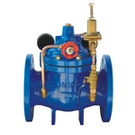
500X Pressure Reducing Valve
The 500X Pressure Reducing Valve is designed to reduce the pressure of the fluid in a system. It can be used with a variety of fluid types, including water, air, and some non - corrosive industrial fluids. However, if you're using it with a corrosive fluid, make sure the valve is made of appropriate materials. The valve's diaphragm and other internal components need to be able to withstand the fluid's chemical and physical properties.
200X Pressure Reducing Valve
The 200X Pressure Reducing Valve is another popular option. It's often used in water supply systems. It can handle clean water well, but if the water contains a lot of sediment or other contaminants, it might require additional filtration. For other fluid types, you need to consider the valve's material compatibility. If the fluid is corrosive, you'll need to choose a valve with corrosion - resistant materials.
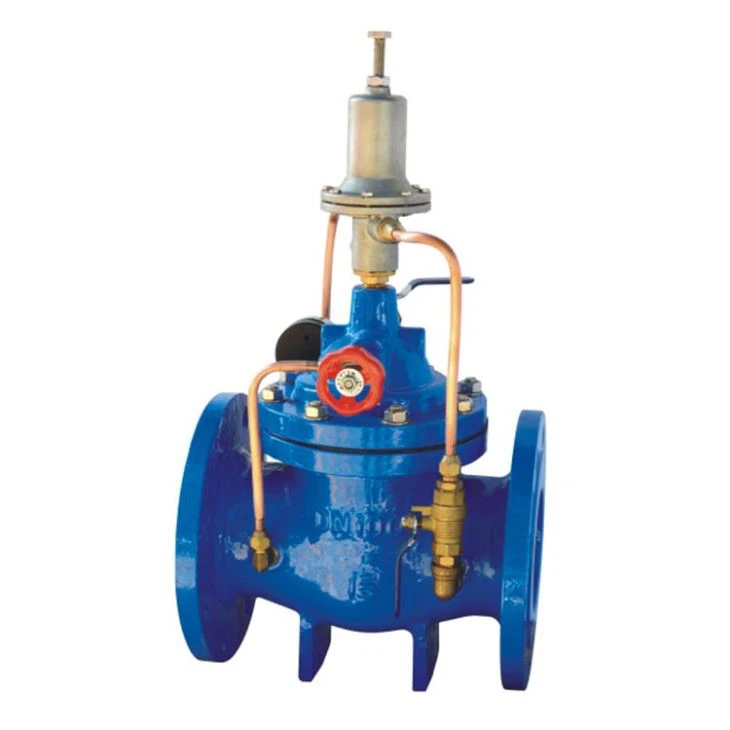

Adjustable Pressure Reducing Valve
The Adjustable Pressure Reducing Valve allows you to adjust the outlet pressure according to your needs. It can be used in a wide range of applications, from domestic water systems to industrial processes. When using it with different fluid media, you need to pay attention to the valve's sealing and internal components. If the fluid is high - pressure or has special chemical properties, make sure the valve is designed to handle those conditions.
Conclusion
Ensuring the compatibility of an Automatic Control Valve with the fluid medium is a multi - step process. It starts with understanding the fluid's physical and chemical properties, then selecting the right valve materials, considering the valve design, and conducting thorough testing. By following these steps, you can ensure that your valve performs well and lasts a long time.
If you're in the market for Automatic Control Valves and need help with ensuring compatibility with your fluid medium, don't hesitate to reach out. We're here to assist you in making the right choice for your specific application. Whether you have questions about valve materials, design, or testing, our team of experts is ready to provide you with the support you need. Contact us to start the procurement and negotiation process.
References
- "Valve Handbook" by Thorr Manton
- "Fluid Mechanics and Thermodynamics of Turbomachinery" by S. L. Dixon
- Industry reports on Automatic Control Valve applications and materials