

Hey there! As a gate valve supplier, I've seen firsthand the impact that dirt and debris can have on these crucial pieces of equipment. In this blog, I'll break down the effects of dirt and debris on gate valves, and why it's super important to keep them clean and well - maintained.


How Dirt and Debris Get into Gate Valves
Before we dive into the effects, let's talk about how dirt and debris find their way into gate valves in the first place. Gate valves are used in a wide range of industries, from water treatment to oil and gas. In water systems, sediment, sand, and other small particles can flow through the pipes and accumulate in the valve. In the oil and gas industry, crude oil often contains dirt, rust, and other contaminants that can make their way into the valve during the transportation process.
In industrial settings, dust from the surrounding environment can also enter the valve if it's not properly sealed. Even in relatively clean environments, over time, normal wear and tear can cause small particles to break off from the pipes or other components and end up in the gate valve.
Impact on Valve Sealing
One of the most significant effects of dirt and debris on a gate valve is its impact on sealing. A gate valve is designed to provide a tight seal when closed to prevent the flow of fluid. However, when dirt and debris accumulate on the sealing surfaces of the valve, they can create tiny gaps. These gaps prevent the valve from closing properly, leading to leakage.
For example, if a Bellow Sealed Gate Valve has dirt on its sealing edges, the bellow, which is supposed to provide an extra layer of protection against leakage, won't be able to do its job effectively. This not only wastes resources but can also be a safety hazard, especially in industries dealing with hazardous chemicals or flammable substances.
Wear and Tear on Valve Components
Dirt and debris can also cause excessive wear and tear on the internal components of a gate valve. As the valve opens and closes, the dirt and debris act like abrasives, scratching and wearing down the surfaces of the gate, seat, and stem.
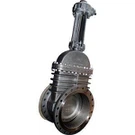
In a Stainless Steel Gate Valve, although stainless steel is relatively resistant to corrosion, the presence of dirt can still accelerate the wear process. The constant friction between the components and the dirt particles can lead to premature failure of the valve. This means more frequent replacements and higher maintenance costs for the end - user.
Restricted Valve Movement
Another problem caused by dirt and debris is restricted valve movement. The gate of a valve needs to move smoothly up and down to open and close the flow path. When dirt and debris build up inside the valve, they can jam the gate, making it difficult or even impossible to operate.
In a flat gate valve, a flat gate is used to control the flow. If dirt accumulates in the guides or on the gate itself, it can prevent the gate from sliding freely. This can lead to operational issues, such as the inability to shut off the flow quickly in an emergency situation.
Reduced Flow Efficiency
Dirt and debris can also reduce the flow efficiency of a gate valve. When particles accumulate inside the valve, they can narrow the flow path, increasing the resistance to fluid flow. This means that more energy is required to pump the fluid through the valve, resulting in higher energy costs.
For instance, in a water distribution system, a gate valve clogged with dirt will cause a decrease in water pressure downstream. This can affect the performance of appliances and equipment that rely on a certain water pressure to function properly.
Prevention and Maintenance
So, how can we prevent the negative effects of dirt and debris on gate valves? Regular maintenance is key. First, it's important to install proper filtration systems upstream of the valve to remove as much dirt and debris as possible before they reach the valve.
Inspecting the valve regularly is also crucial. Look for signs of dirt accumulation, leakage, or restricted movement. If dirt is found, it can be cleaned using appropriate cleaning agents and tools. In some cases, disassembling the valve for a thorough cleaning may be necessary.
It's also a good idea to use high - quality gate valves from a reliable supplier. High - quality valves are often designed with better sealing mechanisms and more durable materials, which can resist the effects of dirt and debris for longer periods.
Conclusion
In conclusion, dirt and debris can have a significant impact on the performance and lifespan of gate valves. From affecting sealing and causing wear and tear to restricting movement and reducing flow efficiency, the problems are many. As a gate valve supplier, I understand the importance of providing valves that can withstand the challenges posed by dirt and debris.
If you're in the market for gate valves or need advice on valve maintenance, don't hesitate to reach out. We're here to help you make the right choices and ensure the smooth operation of your systems. Contact us today to start a discussion about your gate valve needs!
References
- "Valve Handbook: Principles and Applications" by Butterworth - Heinemann
- "Industrial Valves: Selection, Specification, and Installation" by McGraw - Hill Professional