

Fire safety is a critical concern in many industrial applications where API gate valves are widely used. As an API gate valve supplier, we understand the importance of designing gate valves that can withstand fire conditions and prevent the spread of fire and hazardous fluids. In this blog, we will delve into what fire - safe design of an API gate valve entails.
Understanding the Basics of API Gate Valves
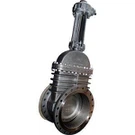
API (American Petroleum Institute) gate valves are commonly used in the oil and gas, chemical, and power industries. They are designed to provide a tight shut - off for the flow of fluids, such as oil, gas, and various chemicals. The gate in the valve moves perpendicular to the flow direction, either fully opening or fully closing the passageway.
In high - risk environments where the presence of flammable substances is significant, a fire - safe gate valve is essential. A fire - safe designed API gate valve is engineered to maintain its functionality even after exposure to high - temperature fire conditions, preventing the leakage of fuel or other combustible fluids that could potentially fuel the fire further.
Key Elements of Fire - Safe Design
Seat Sealing Mechanisms
One of the primary elements in fire - safe valve design is the seat sealing. In normal operation, a gate valve's seats are typically made of soft materials like elastomers or polymers. These soft seats provide excellent sealing performance under normal conditions, preventing any leakage. However, in the event of a fire, these soft materials can be damaged or destroyed by the high temperatures.
To address this issue, fire - safe API gate valves are equipped with a secondary metal - to - metal seat sealing mechanism. When the soft seats are exposed to fire and compromised, the metal - to - metal seats come into play. The metal - to - metal contact ensures a continuous seal, reducing the likelihood of fluid leakage. For instance, in a refinery where a fire might break out due to a gas leak, a fire - safe gate valve with a reliable metal - to - metal seat can prevent the spread of the flammable gas by maintaining a tight shut - off.
Stem and Bonnet Design
The stem and bonnet area of a gate valve are also crucial in fire - safe design. The stem is the component that connects the handwheel or actuator to the gate, allowing for the opening and closing of the valve. In a fire - prone environment, proper stem packing and bonnet sealing are necessary to prevent the leakage of fluid along the stem.
High - temperature - resistant packing materials, such as graphite, are often used in fire - safe gate valves. Graphite can withstand extreme heat without losing its sealing properties significantly. Additionally, the bonnet design should ensure that it remains intact during a fire. Some fire - safe gate valves feature a pressure - retaining bonnet that can maintain its structural integrity, preventing the escape of fluid from the valve body through the bonnet area.
Body Material and Construction
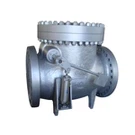
The choice of body material for an API gate valve is vital for fire - safe design. Materials that have high melting points and good heat - resistant properties are preferred. Common materials include carbon steel, stainless steel, and alloy steels. These materials can maintain their strength and shape at high temperatures, preventing the valve body from deforming or rupturing during a fire.
The construction of the valve body also plays a role. Welded joints in the valve body should be of high quality to withstand thermal stress during a fire. Proper heat treatment of the body can enhance its fire - resistance capabilities. For example, in a offshore oil platform where a fire could have catastrophic consequences, a fire - safe gate valve with a well - constructed and heat - resistant body can be a crucial safety component.
Fire - Safe Standards and Testing
API gate valves claiming to be fire - safe must comply with certain industry standards. One of the most widely recognized standards is API 607, which provides requirements for the fire - testing of quarter - turn valves and ball valves. Although gate valves are not the main focus of API 607, the principles of fire - safety testing can be extended to them.
Another relevant standard is ISO 10497, which specifically addresses the fire - testing requirements for gate, globe, and check valves. Valves that meet these standards have undergone rigorous testing procedures. During a fire - test, the valve is exposed to a controlled fire for a specified period, usually around 30 minutes, and the leakage rate is measured before, during, and after the fire exposure. A valve that passes the fire - test is considered to have met the minimum fire - safe design requirements.
Our Product Offerings
As an API gate valve supplier, we offer a range of fire - safe gate valves that are designed to meet and exceed industry standards. Our Pressure Seal Gate Valve is engineered with a unique pressure - seal bonnet design that enhances its sealing performance, especially in high - pressure applications. The valve also features a reliable metal - to - metal seat sealing mechanism, ensuring fire - safe operation.
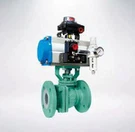
Our Ceramic Lined Gate Valve is another excellent choice for fire - prone environments. The ceramic lining provides high - temperature resistance and excellent wear protection, making the valve suitable for handling abrasive and corrosive fluids. The valve's design also incorporates fire - safe features, such as a graphite stem packing and a well - constructed body.
In addition, our flat gate valve is designed with fire - safety in mind. The flat gate design allows for a smooth flow of fluids and provides a tight shut - off. The valve is made of high - quality materials and undergoes strict quality control to ensure its fire - safe performance.
Importance of Fire - Safe Design in Different Industries
In the oil and gas industry, where large quantities of flammable hydrocarbons are handled, fire - safe API gate valves are essential for preventing major disasters. A single valve failure during a fire can lead to the release of vast amounts of fuel, causing explosions and widespread damage. In a petrochemical plant, for example, fire - safe gate valves are used in pipelines to isolate different sections of the plant in case of a fire, minimizing the spread of the fire and protecting personnel and equipment.


In the power generation industry, especially in thermal power plants where steam and hot water are used, fire - safe gate valves play a crucial role. The high - temperature and high - pressure conditions in these plants make fire - safety a top priority. A fire - safe gate valve can prevent the leakage of steam or other fluids, reducing the risk of fire and ensuring the continuous operation of the power plant.
Contact Us for Your Fire - Safe Gate Valve Needs
Whether you are in the oil and gas, chemical, power generation, or any other industry that requires reliable fire - safe API gate valves, we are here to help. Our team of experts can assist you in selecting the right valve for your specific application. We understand that every project has unique requirements, and we are committed to providing customized solutions.
If you are interested in learning more about our fire - safe API gate valves or would like to discuss a potential procurement, please feel free to reach out to us. We look forward to the opportunity to work with you and contribute to the safety and efficiency of your operations.
References
- API 607, Fire - Test Standard for Quarter - Turn Valves and Ball Valves, American Petroleum Institute.
- ISO 10497, Fire - Testing of Gate, Globe and Check Valves, International Organization for Standardization.
- Valve Handbook, edited by Robert W. Miller, provides in - depth knowledge on valve design and operation.