

A pressure relief valve (PRV) is a crucial safety device used in various industrial applications to protect systems from over - pressurization. One of the most important parameters associated with a pressure relief valve is its cracking pressure. In this blog, as a pressure relief valve supplier, I'll delve into what cracking pressure is, why it matters, and how it impacts the performance of pressure relief valves.


Understanding Cracking Pressure
The cracking pressure of a pressure relief valve is defined as the inlet static pressure at which the valve starts to open and allow fluid (liquid or gas) to flow through it. In simpler terms, it's the pressure level at which the valve begins to relieve excess pressure from the system.
Let's take a practical example. Consider a steam boiler system. The boiler is designed to operate within a specific pressure range. If the pressure inside the boiler exceeds this safe range, it can lead to catastrophic failures such as explosions. A pressure relief valve is installed on the boiler to prevent such situations. The cracking pressure of this valve is set at a value slightly above the normal operating pressure of the boiler. When the pressure inside the boiler reaches the cracking pressure, the valve starts to open, and steam is released, reducing the pressure inside the boiler.
Factors Affecting Cracking Pressure
Several factors can influence the cracking pressure of a pressure relief valve:
- Spring Design: Most pressure relief valves use a spring to control the opening and closing of the valve. The stiffness of the spring, known as the spring rate, plays a significant role in determining the cracking pressure. A stiffer spring will require a higher pressure to compress it and open the valve, resulting in a higher cracking pressure.
- Valve Size and Geometry: The physical dimensions of the valve, such as the seat diameter and the lift of the valve disc, can affect the cracking pressure. A larger seat diameter may require more force to open the valve, thus increasing the cracking pressure.
- Fluid Properties: The properties of the fluid flowing through the valve, such as density and viscosity, can also impact the cracking pressure. For example, a more viscous fluid may require a higher pressure to overcome the resistance and start flowing through the valve.
Importance of Cracking Pressure
The cracking pressure is of utmost importance for the proper functioning of a pressure relief valve and the safety of the entire system. Here's why:
- System Protection: By setting the cracking pressure at an appropriate level, the pressure relief valve ensures that the system pressure does not exceed the safe operating limits. This protects the equipment and personnel from the hazards associated with over - pressurization, such as equipment damage, leaks, and explosions.
- Compliance with Standards: Many industries are subject to strict safety standards and regulations that specify the maximum allowable pressure for a system. The cracking pressure of the pressure relief valve must be set in accordance with these standards to ensure compliance.
- Optimal Performance: A correctly set cracking pressure ensures that the valve opens at the right time and releases the appropriate amount of fluid. This helps to maintain the stability and efficiency of the system.
Measuring and Adjusting Cracking Pressure
Measuring the cracking pressure of a pressure relief valve is a critical process that requires specialized equipment and expertise. Typically, a pressure gauge is used to monitor the inlet pressure of the valve while it is being tested. The valve is gradually pressurized until it starts to open, and the pressure at which this occurs is recorded as the cracking pressure.
If the measured cracking pressure is not within the desired range, adjustments can be made. For valves with adjustable springs, the spring tension can be increased or decreased to change the cracking pressure. However, it's important to note that any adjustments should be made by a qualified technician to ensure the accuracy and safety of the valve.
Types of Pressure Relief Valves and Their Cracking Pressures
There are different types of pressure relief valves, each with its own characteristics and cracking pressure ranges:
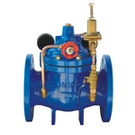
- Surge Relief Valve: A Surge Relief Valve is designed to protect a system from sudden pressure surges. These valves typically have a relatively high cracking pressure to handle the large and rapid increases in pressure. They are commonly used in pipelines and hydraulic systems.
- Steamed Pressure Relief Valve Safety Valve: A Steamed Pressure Relief Valve Safety Valve is specifically designed for steam systems. The cracking pressure of these valves is carefully selected to ensure that steam is released at the right time to prevent over - pressurization of the boiler or other steam - handling equipment.
- Steam Relief Valve: A steam relief valve, also known as a high - performance steam safety valve, is used in high - pressure steam applications. These valves are designed to have a precise cracking pressure to ensure the safe and efficient operation of the steam system.
Testing and Certification
To ensure the reliability and accuracy of the cracking pressure, pressure relief valves must undergo rigorous testing and certification processes. These tests are usually conducted in accordance with international standards such as ASME (American Society of Mechanical Engineers) and API (American Petroleum Institute).
During the testing process, the valve is subjected to a series of pressure cycles to verify its cracking pressure, flow capacity, and other performance parameters. Once the valve passes the tests, it is issued a certification indicating its compliance with the relevant standards.
Conclusion
As a pressure relief valve supplier, I understand the critical role that cracking pressure plays in the performance and safety of pressure relief valves. It is essential to select the right valve with the appropriate cracking pressure for each application to ensure the protection of the system and compliance with safety standards.
If you are in need of a pressure relief valve for your industrial application, I encourage you to reach out to us. Our team of experts can help you select the right valve based on your specific requirements, including the cracking pressure. We offer a wide range of high - quality pressure relief valves, including Surge Relief Valve, Steamed Pressure Relief Valve Safety Valve, and steam relief valve. Contact us today to discuss your needs and start a procurement negotiation.
References
- ASME Pressure Relief Valve Standards
- API Pressure Relief Valve Standards
- "Pressure Relief Valve Handbook" by John W. Pritchard