

Hey there! As a supplier of Pressure Relief Valves, I often get asked about the cost of these crucial components. In this blog post, I'll break down the factors that influence the cost of a Pressure Relief Valve and give you a better understanding of what you're paying for.
First off, let's talk about what a Pressure Relief Valve is and why it's so important. A Pressure Relief Valve is a safety device that automatically releases a substance from a vessel or system when the pressure exceeds a preset limit. This helps prevent over - pressurization, which can lead to equipment damage, explosions, or other dangerous situations. Whether it's in a chemical plant, a power generation facility, or a simple plumbing system, Pressure Relief Valves play a vital role in ensuring safety.
Now, onto the cost. There are several factors that can affect how much a Pressure Relief Valve will set you back.
1. Valve Type
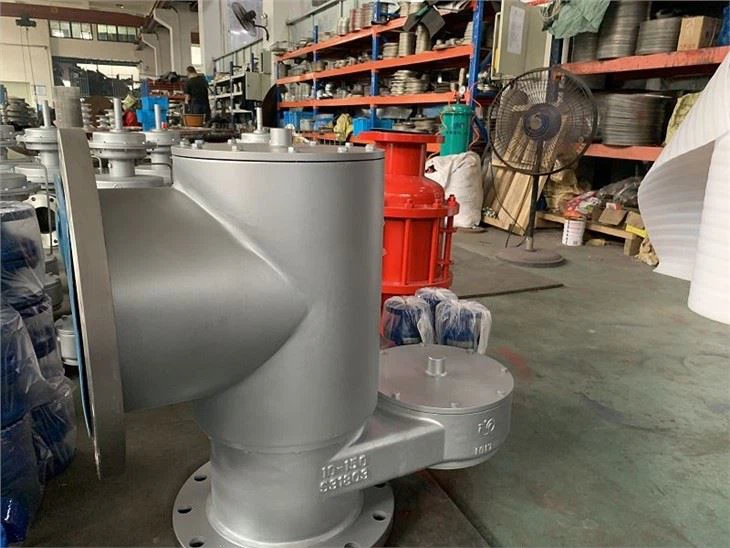
There are different types of Pressure Relief Valves, each designed for specific applications. For example, a Pressure Vacuum Relief Valve is used to protect tanks from over - pressurization and vacuum conditions. These valves are more complex than standard relief valves because they need to handle both positive and negative pressures. As a result, they tend to be more expensive. On the other hand, a simple spring - loaded relief valve, which is commonly used in many industrial applications, may be more affordable.
2. Size
The size of the valve is another major factor in determining its cost. Larger valves generally cost more than smaller ones. This is because they require more materials to manufacture, and the manufacturing process for larger valves can be more complex. For instance, a large - diameter steam relief valve used in a power plant will be significantly more expensive than a small - sized valve used in a residential plumbing system. You can check out our steam relief valve options for different sizes and applications.
3. Material
The material used to make the valve has a big impact on its cost. Valves can be made from a variety of materials, including stainless steel, carbon steel, brass, and exotic alloys. Stainless steel valves are corrosion - resistant and are often used in applications where the fluid being handled is corrosive. They are more expensive than carbon steel valves, which are more commonly used in general industrial applications. Exotic alloys, such as Hastelloy or Inconel, are used in extremely harsh environments, like chemical processing plants where the fluid is highly corrosive and the temperature is very high. These valves can be extremely costly due to the high cost of the materials and the specialized manufacturing processes required.
4. Pressure Rating
The pressure rating of a valve indicates the maximum pressure it can safely handle. Valves with higher pressure ratings are more expensive because they need to be designed and manufactured to withstand greater forces. For example, a valve with a pressure rating of 10,000 psi will cost more than a valve with a rating of 1,000 psi. This is because the higher - rated valve requires stronger materials and more precise manufacturing to ensure its reliability under high - pressure conditions.
5. Brand and Quality
Well - known brands often charge a premium for their products. This is because they have a reputation for quality and reliability. A valve from a trusted brand may have better performance, longer service life, and better after - sales support. However, there are also many good - quality, less - well - known brands that offer more affordable options. It's important to balance the cost with the quality and performance requirements of your application.
6. Certification and Compliance
In many industries, Pressure Relief Valves need to meet certain certifications and compliance standards. For example, valves used in the oil and gas industry may need to comply with API (American Petroleum Institute) standards, while valves used in food and beverage applications may need to meet FDA (Food and Drug Administration) requirements. Obtaining these certifications can add to the cost of the valve, as the manufacturer needs to invest in testing and documentation to ensure compliance.
Let's take a look at some rough cost estimates to give you an idea. A small, basic spring - loaded relief valve made of carbon steel with a low pressure rating might cost anywhere from $50 to $200. A medium - sized Pressure Vacuum Relief Valve made of stainless steel could cost between $500 and $2,000. A large - scale, high - pressure steam relief valve made of an exotic alloy and with strict industry certifications could cost upwards of $10,000.
When you're considering the cost of a Pressure Relief Valve, it's important to think about the long - term value. A more expensive valve may have a longer service life, require less maintenance, and provide better safety. In the long run, it could save you money by reducing downtime, preventing equipment damage, and avoiding potential safety hazards.
So, if you're in the market for a Pressure Relief Valve, don't just focus on the upfront cost. Consider all the factors I've mentioned above to make an informed decision. And if you have any questions or need help choosing the right valve for your application, feel free to reach out to us. We're here to assist you in finding the best - fitting valve at a reasonable price. Whether you're looking for a simple relief valve for a small project or a high - performance valve for a large - scale industrial application, we've got you covered.

If you're interested in learning more about our Pressure Relief Valve products or are ready to start a purchase, don't hesitate to get in touch. We're eager to discuss your specific requirements and find the perfect solution for you. Let's work together to ensure the safety and efficiency of your systems.
References
- ASME Boiler and Pressure Vessel Code
- API Standards for Pressure Relief Valves
- Manufacturer's product catalogs and technical manuals