

Hey there! As a supplier of Pressure Seal Gate Valves, I'm super stoked to dive into the wear-resistant properties of these bad boys. Let's get right into it.
What Makes Pressure Seal Gate Valves Special?
First off, let's talk about what a Pressure Seal Gate Valve is. It's a type of valve that's designed to handle high-pressure systems. The pressure seal design ensures a tight seal even under extreme pressure conditions. This is crucial in industries like oil and gas, power generation, and chemical processing, where leaks can be not only costly but also dangerous.
Now, when it comes to wear resistance, Pressure Seal Gate Valves have some key features that set them apart.
Material Matters
One of the main factors contributing to the wear resistance of a Pressure Seal Gate Valve is the material it's made from. Most of these valves are constructed from high-quality metals like stainless steel, carbon steel, or alloy steel. These materials are known for their strength and durability, which are essential for withstanding the wear and tear of high-pressure applications.
Stainless steel, for example, is highly resistant to corrosion and oxidation. This means that even in harsh environments with corrosive fluids or gases, the valve won't rust or deteriorate easily. Carbon steel, on the other hand, is known for its high tensile strength and toughness. It can handle high-pressure and high-temperature conditions without losing its shape or integrity.
Alloy steel is another popular choice for Pressure Seal Gate Valves. It combines the best properties of different metals, such as high strength, corrosion resistance, and heat resistance. This makes it ideal for applications where the valve needs to withstand extreme conditions.
Surface Treatments
In addition to using high-quality materials, Pressure Seal Gate Valves often undergo surface treatments to enhance their wear resistance. One common surface treatment is hardening. This involves heating the valve to a high temperature and then quenching it in a cooling medium. Hardening increases the hardness and strength of the valve's surface, making it more resistant to abrasion and wear.
Another surface treatment is coating. Coating the valve with a protective layer can provide an extra barrier against corrosion and wear. Some common coatings used for Pressure Seal Gate Valves include ceramic coatings, epoxy coatings, and PTFE coatings.
Ceramic coatings are particularly effective in improving wear resistance. They are extremely hard and can withstand high temperatures and abrasive particles. Epoxy coatings, on the other hand, provide excellent corrosion resistance and can be used in a variety of environments. PTFE coatings are known for their low friction coefficient, which reduces wear and tear on the valve's moving parts.
Design Features
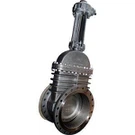
The design of a Pressure Seal Gate Valve also plays a crucial role in its wear resistance. These valves are typically designed with a wedge-shaped gate that fits snugly between the valve seats. This design ensures a tight seal and minimizes leakage.
The gate and seats are often made from hard materials like stainless steel or alloy steel to withstand the high pressures and forces involved in opening and closing the valve. The valve's stem is also designed to be strong and durable, as it is responsible for transmitting the force from the actuator to the gate.
In addition, many Pressure Seal Gate Valves are designed with a self-cleaning mechanism. This helps to prevent the buildup of debris and particles on the valve's surfaces, which can cause wear and damage over time.
Comparing with Other Gate Valves
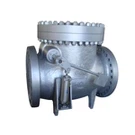
When it comes to wear resistance, Pressure Seal Gate Valves have some advantages over other types of gate valves. For example, compared to Cast Steel Gate Valves, Pressure Seal Gate Valves are better suited for high-pressure applications. Cast Steel Gate Valves are typically used in low to medium-pressure systems, where the wear and tear on the valve are not as severe.

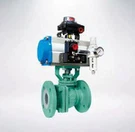
Another type of gate valve is the Ceramic Lined Gate Valve. While ceramic lined gate valves are known for their excellent wear resistance, they can be more expensive and may not be suitable for all applications. Pressure Seal Gate Valves offer a good balance between wear resistance and cost-effectiveness, making them a popular choice in many industries.
Applications and Wear Challenges
Pressure Seal Gate Valves are used in a wide range of applications, each with its own unique wear challenges. In the oil and gas industry, for example, these valves are used in pipelines, refineries, and offshore platforms. They need to withstand high pressures, abrasive fluids, and corrosive environments.
In the power generation industry, Pressure Seal Gate Valves are used in steam systems, nuclear power plants, and hydroelectric power plants. They need to handle high temperatures, high pressures, and rapid changes in temperature and pressure.
In the chemical processing industry, these valves are used in the transportation and storage of chemicals. They need to be resistant to a wide range of chemicals, including acids, bases, and solvents.
Maintaining Wear Resistance
To ensure the long-term wear resistance of a Pressure Seal Gate Valve, proper maintenance is essential. This includes regular inspection, cleaning, and lubrication. Inspecting the valve for signs of wear and damage can help to identify potential problems early on and prevent costly repairs or replacements.
Cleaning the valve regularly can help to remove any debris or particles that may have accumulated on its surfaces. This can prevent wear and damage to the valve's components. Lubricating the valve's moving parts can also reduce friction and wear, ensuring smooth operation.

Conclusion
In conclusion, the wear-resistant properties of a Pressure Seal Gate Valve are determined by a combination of factors, including the material it's made from, the surface treatments it undergoes, and its design features. These valves are designed to withstand the high pressures, temperatures, and abrasive conditions of various industries, making them a reliable choice for many applications.
If you're in the market for a high-quality Pressure Seal Gate Valve, look no further. Our company offers a wide range of Pressure Seal Gate Valves that are designed to meet the most demanding requirements. Whether you need a valve for a small-scale project or a large industrial application, we've got you covered.
If you have any questions or would like to discuss your specific needs, please don't hesitate to reach out. We're here to help you find the perfect valve for your application.
References
- Valve Handbook, by E. Richard Sargent
- Handbook of Valves, by D. A. Stiles