



When it comes to fluid control systems, check valves play a crucial role in ensuring the unidirectional flow of liquids or gases. As a seasoned check valve supplier, I've witnessed firsthand the diverse needs and concerns of our clients, especially when it comes to the cost of these essential components. In this blog post, I'll delve into the various factors that contribute to the cost of a check valve and provide insights to help you make informed decisions for your projects.
Understanding the Basics of Check Valves
Before we dive into the cost analysis, let's briefly review what check valves are and how they work. Check valves are mechanical devices that allow fluid to flow in one direction only, preventing backflow. They are commonly used in a wide range of industries, including oil and gas, water treatment, chemical processing, and power generation.
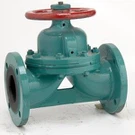
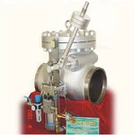
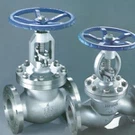
There are several types of check valves available in the market, each with its own unique design and functionality. Some of the most common types include Dual Plate Check Valve, Swing Type Check Valve, and Damping Device check valve. The choice of check valve depends on various factors, such as the application, flow rate, pressure, and temperature requirements.
Factors Affecting the Cost of a Check Valve
The cost of a check valve can vary significantly depending on several factors. Here are some of the key factors that influence the price:
1. Type of Check Valve
As mentioned earlier, there are different types of check valves available, and each type has its own manufacturing complexity and cost. For example, dual plate check valves are generally more expensive than swing type check valves due to their more intricate design and higher performance capabilities. Similarly, check valves with additional features such as damping devices or special coatings may also command a higher price.

2. Size and Diameter
The size and diameter of the check valve are important factors that affect its cost. Larger valves require more materials and more complex manufacturing processes, which can increase the overall cost. Additionally, larger valves may also require more specialized equipment for installation and maintenance, further adding to the expenses.
3. Material of Construction
The material used to construct the check valve is another significant factor that influences its cost. Check valves can be made from a variety of materials, including stainless steel, carbon steel, brass, and plastic. The choice of material depends on the application requirements, such as the type of fluid being handled, the operating temperature and pressure, and the corrosion resistance needed. Generally, valves made from high-quality materials such as stainless steel or exotic alloys are more expensive than those made from standard materials.

4. Pressure Rating
The pressure rating of the check valve is an important consideration, especially in high-pressure applications. Valves with higher pressure ratings require stronger materials and more robust construction to withstand the forces exerted by the fluid. As a result, check valves with higher pressure ratings are typically more expensive than those with lower ratings.
5. Quantity and Volume
The quantity and volume of check valves you need can also affect the cost. Generally, purchasing check valves in larger quantities can result in lower unit costs due to economies of scale. Many suppliers offer volume discounts for bulk orders, so it's worth considering buying in larger quantities if you have a long-term project or ongoing requirements.
6. Customization and Special Features
If you require a check valve with specific customization or special features, such as a non-standard size, a unique connection type, or a special coating, the cost will likely be higher. Customization often involves additional engineering and manufacturing processes, which can increase the overall price of the valve.
Cost Comparison of Different Types of Check Valves
To give you a better idea of the cost differences between different types of check valves, let's take a look at a general cost comparison:
- Swing Type Check Valve: Swing type check valves are one of the most common and cost-effective types of check valves. They are relatively simple in design and easy to manufacture, making them a popular choice for many applications. The cost of a swing type check valve can range from a few dollars for small, low-pressure valves to several hundred dollars for larger, high-pressure valves.
- Dual Plate Check Valve: Dual plate check valves are more advanced and offer better performance compared to swing type check valves. They are designed to provide a faster closing action, reduce water hammer, and minimize pressure drop. However, their more complex design and higher manufacturing costs result in a higher price. The cost of a dual plate check valve can range from a few hundred dollars to several thousand dollars, depending on the size, material, and pressure rating.
- Damping Device Check Valve: Damping device check valves are specially designed to reduce the impact of water hammer and prevent damage to the valve and the piping system. They are commonly used in applications where water hammer is a concern, such as in pumping systems and high-pressure pipelines. The cost of a damping device check valve is typically higher than that of a standard check valve due to the additional damping mechanism. The price can range from several hundred dollars to several thousand dollars, depending on the size and complexity of the valve.
Evaluating the Total Cost of Ownership
When considering the cost of a check valve, it's important to look beyond the initial purchase price and evaluate the total cost of ownership. The total cost of ownership includes not only the purchase price but also the cost of installation, maintenance, and replacement over the valve's lifespan.
- Installation Cost: The installation cost of a check valve can vary depending on the complexity of the installation and the location of the valve. Factors such as the type of piping system, the accessibility of the valve, and the need for special tools or equipment can all affect the installation cost. It's important to factor in the installation cost when budgeting for your project.
- Maintenance Cost: Regular maintenance is essential to ensure the proper functioning and longevity of a check valve. The maintenance cost includes the cost of inspections, repairs, and replacement of worn or damaged parts. The frequency and complexity of maintenance depend on the type of check valve, the application, and the operating conditions. Some check valves may require more frequent maintenance than others, which can increase the overall maintenance cost.
- Replacement Cost: Eventually, all check valves will need to be replaced due to wear and tear or changes in the operating conditions. The replacement cost includes the cost of the new valve, the installation cost, and any downtime associated with the replacement. It's important to consider the expected lifespan of the check valve and the cost of replacement when evaluating the total cost of ownership.
Making an Informed Decision
When choosing a check valve for your project, it's important to balance the cost with the performance and reliability requirements. Here are some tips to help you make an informed decision:
- Understand Your Application Requirements: Before selecting a check valve, it's important to understand the specific requirements of your application, such as the flow rate, pressure, temperature, and type of fluid being handled. This will help you choose the right type of check valve and ensure that it meets your performance and reliability needs.
- Compare Different Suppliers: It's a good idea to compare the prices and features of check valves from different suppliers to get the best value for your money. Look for suppliers who have a good reputation for quality and reliability and who offer competitive pricing and excellent customer service.
- Consider the Total Cost of Ownership: As mentioned earlier, the total cost of ownership includes not only the purchase price but also the cost of installation, maintenance, and replacement over the valve's lifespan. When evaluating the cost of a check valve, it's important to consider the total cost of ownership to ensure that you are making a cost-effective decision.
- Seek Professional Advice: If you're unsure which type of check valve is best for your application or if you have any questions about the cost or performance of a check valve, it's a good idea to seek professional advice from a qualified engineer or a check valve specialist. They can help you evaluate your options and choose the right check valve for your project.
Contact Us for Check Valve Procurement
If you're in the market for high-quality check valves, we'd love to hear from you. As a leading check valve supplier, we offer a wide range of check valves to meet the diverse needs of our clients. Our valves are manufactured to the highest standards of quality and reliability, and we offer competitive pricing and excellent customer service.
Whether you need a Dual Plate Check Valve, a Swing Type Check Valve, or a Damping Device check valve, we can help you find the right valve for your application. Contact us today to discuss your requirements and get a free quote. We look forward to working with you!

References
- Crane Co., "Flow of Fluids Through Valves, Fittings, and Pipe," Technical Paper No. 410, 1988.
- Cameron International Corporation, "Valve Handbook," 2004.
- ASME Boiler and Pressure Vessel Code, Section VIII, Division 1, "Rules for Construction of Pressure Vessels," 2019.