

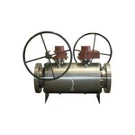
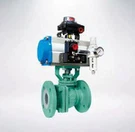
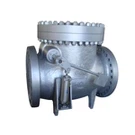
Hey there! I'm a supplier of Fully Welded Ball Valves, and today I wanna talk about the storage conditions for these bad - boys.
First off, let's understand why proper storage is so important. A fully welded ball valve is a key component in many industrial systems, like oil and gas pipelines, chemical processing plants, and water treatment facilities. If it's not stored correctly, it can get damaged, which means it won't work as it should when it's finally installed. And that can lead to all sorts of problems, from leaks to system failures.
Temperature
One of the most crucial factors in storing fully welded ball valves is temperature. These valves are made of various materials, like steel and other alloys, and extreme temperatures can have a negative impact on them.
For starters, high temperatures can cause the valve materials to expand. If the valve is stored in a place where the temperature is too high for a long time, this expansion can lead to internal stresses. Over time, these stresses can cause cracks in the valve body or damage the sealing components. On the flip side, extremely low temperatures can make the materials brittle. Cold - induced brittleness increases the risk of the valve cracking when it's handled or installed.
So, what's the ideal temperature range? Generally, it's best to store fully welded ball valves in an environment where the temperature stays between -20°C and 50°C (-4°F and 122°F). This range ensures that the materials remain stable and don't experience any significant thermal - related issues. If you're in an area where the temperature goes outside this range, you might need to use climate - controlled storage facilities.
Humidity
Humidity is another big deal when it comes to storing fully welded ball valves. Moisture in the air can cause corrosion, especially on the metal parts of the valve. Corrosion not only affects the appearance of the valve but also its functionality. It can eat away at the valve body, the ball, and the stem, weakening the structure and reducing the valve's lifespan.
To prevent corrosion, it's important to keep the storage area dry. The relative humidity in the storage space should be kept below 60%. If you're in a humid climate, you can use dehumidifiers to control the moisture level. Additionally, make sure the valves are properly coated or protected. Many fully welded ball valves come with a protective coating that helps resist corrosion, but it's still important to maintain a low - humidity environment.
Cleanliness
A clean storage environment is essential for fully welded ball valves. Dust, dirt, and debris can get into the valve and cause problems. For example, if dust particles get into the valve's sealing area, they can prevent a proper seal from forming. This can lead to leaks when the valve is in use.
Store the valves in a clean, enclosed area. If possible, keep them in their original packaging until they're ready to be installed. The packaging is designed to protect the valve from external contaminants. If the valves are unpacked, make sure they're covered with a clean, protective sheet. Also, avoid storing the valves near areas where there's a lot of construction or industrial activity, as these places tend to have more dust and debris in the air.
Positioning
How you position the fully welded ball valves during storage also matters. The valves should be stored in a horizontal position whenever possible. Storing them horizontally helps prevent any internal components from shifting or getting damaged. If the valve has a long stem, make sure it's supported properly to avoid bending.
If you need to store the valves vertically, make sure they're secured to prevent them from tipping over. And always follow the manufacturer's recommendations regarding positioning. Some valves might have specific requirements based on their design and internal components.
Protection from Physical Damage
Fully welded ball valves are heavy and can be easily damaged if they're not handled and stored carefully. Avoid stacking the valves too high, as this can put excessive pressure on the lower valves and cause damage. Use proper lifting equipment when moving the valves to prevent any accidental drops or impacts.
Also, make sure the storage area is free from any potential sources of physical damage. For example, don't store the valves near areas where there's a lot of traffic or where heavy equipment is being moved around.
Compatibility with Other Materials
When storing fully welded ball valves, be careful about what other materials they're stored with. Some chemicals or substances can react with the valve materials and cause damage. For example, if the valve is made of a certain type of steel and is stored near a chemical that is corrosive to that steel, it can lead to rapid corrosion.
Make sure to separate the valves from any potentially harmful substances. And if you're unsure about the compatibility of the valve with a particular material, consult the valve manufacturer or a materials expert.
Documentation
Don't forget about the documentation that comes with the fully welded ball valves. Store the instruction manuals, warranty information, and test reports in a safe place. This documentation is important for installation, maintenance, and troubleshooting. If you lose the documentation, it can be difficult to ensure that the valve is installed and used correctly.
Long - Term Storage
If you need to store the fully welded ball valves for a long time, there are a few additional steps you can take. First, perform a maintenance check before storing the valves for an extended period. This includes checking for any signs of damage, lubricating the moving parts if necessary, and ensuring that the protective coatings are intact.


For long - term storage, consider using a preservative coating on the valve's external surfaces. This extra layer of protection can help prevent corrosion over an extended period. Also, make sure to periodically inspect the valves during long - term storage. Check for any signs of damage, corrosion, or changes in the valve's condition.
Conclusion
Proper storage of fully welded ball valves is crucial to ensure their performance and longevity. By controlling the temperature, humidity, and cleanliness of the storage environment, positioning the valves correctly, protecting them from physical damage, and taking care of the documentation, you can keep your valves in top - notch condition until they're ready to be installed.
If you're in the market for high - quality fully welded ball valves, or you have any questions about their storage or usage, feel free to reach out. We're here to help you make the right choice for your industrial needs. Whether you're looking for a PFA Lined Ball Valve, a Fully Welded Ball Valve, or a DBB ball valve, we've got you covered. Let's start a conversation about your requirements and find the perfect solution for you.
References
- Valve Industry Standards and Guidelines
- Manufacturer's Technical Documentation for Fully Welded Ball Valves
- Industrial Corrosion Prevention Handbooks