

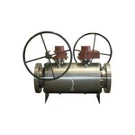
Hey there! As a supplier of fully welded ball valves, I often get asked about the noise level during their operation. In this blog, I'll break down what affects the noise level of a fully welded ball valve when it's in use, and why it matters in different applications.
Let's start with the basics. A fully welded ball valve is a crucial component in many industrial systems. It's designed to control the flow of fluids, like gas or oil, in pipelines. The valve consists of a ball with a hole in the middle, which rotates to either allow or block the flow. But how does this movement create noise?
One of the main factors contributing to the noise level is the flow rate of the fluid passing through the valve. When the fluid moves at high speeds, it can cause turbulence inside the valve. This turbulence generates pressure fluctuations, which in turn create noise. Think of it like a river flowing fast through a narrow channel - the water will make a lot of noise as it rushes along. The same principle applies to fluids in a fully welded ball valve.
The design of the valve also plays a big role. For example, the shape of the ball and the seat can affect how the fluid flows through the valve. A poorly designed valve may have sharp edges or uneven surfaces, which can disrupt the flow and increase noise. On the other hand, a well - designed valve with smooth surfaces and an optimized ball - seat configuration can reduce turbulence and keep the noise level down.
Another aspect to consider is the pressure difference across the valve. If there's a large pressure drop when the fluid passes through the valve, it can lead to cavitation. Cavitation occurs when the pressure of the fluid drops below its vapor pressure, causing vapor bubbles to form. These bubbles then collapse when they move to a higher - pressure area, creating shock waves and a significant amount of noise.
In some applications, like in a power plant or a refinery, the noise level of a valve can have serious implications. High - noise levels can be a safety hazard for workers, as prolonged exposure to loud noise can cause hearing damage. It can also be a sign of inefficiency in the system. If a valve is generating a lot of noise, it may mean that there's excessive energy loss, which can increase operating costs.
Now, let's compare fully welded ball valves with other types of ball valves in terms of noise. Take the Seated Ball Valve for example. Seated ball valves may have different noise characteristics depending on the type of seat material and the design of the seat. Some seat materials may be more prone to vibration, which can contribute to noise. However, in general, fully welded ball valves tend to be more robust and can offer better noise control due to their welded construction, which reduces the chances of leaks and vibrations.
The Top Entry Ball Valve is another option. Top entry ball valves are easier to maintain as they allow for direct access to the internal components from the top. But in terms of noise, their design may not be as optimized as fully welded ball valves. The joints in a top entry ball valve can potentially be a source of vibration and noise if not properly sealed.
Ceramic Lined Ball Valve is known for its excellent wear resistance. However, the ceramic lining can sometimes affect the flow pattern inside the valve, which may lead to increased noise in certain situations. Fully welded ball valves, with their solid construction, can often provide a more stable and quieter operation.
So, how can we measure the noise level of a fully welded ball valve? There are several methods available. One common way is to use a sound level meter. This device can measure the sound pressure level in decibels (dB). The measurements are usually taken at a specific distance from the valve and under specific operating conditions. By comparing the measured noise levels with industry standards, we can determine if the valve is operating within an acceptable range.
To reduce the noise level of a fully welded ball valve, there are a few strategies. First, we can optimize the valve design. This includes using smooth - surfaced balls and seats, and ensuring that the flow path is as straight and unobstructed as possible. Second, we can control the flow rate and pressure difference across the valve. By adjusting the system parameters, we can minimize turbulence and cavitation. Finally, using noise - absorbing materials around the valve can also help to dampen the noise.

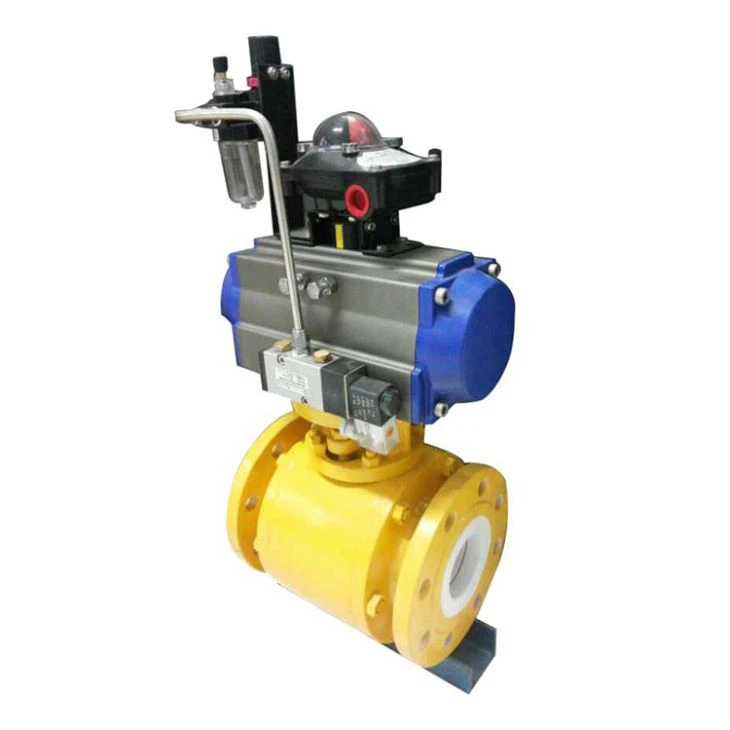
As a supplier of fully welded ball valves, we take noise control very seriously. We invest a lot of time and resources in research and development to ensure that our valves offer the best performance in terms of noise reduction. Our valves are designed and tested to meet the highest industry standards, so you can be confident that you're getting a reliable and quiet - operating valve.
If you're in the market for a fully welded ball valve and want to learn more about how our products can meet your noise - control requirements, don't hesitate to reach out. Whether you're working on a small - scale project or a large - scale industrial installation, we have the expertise and the products to help you. Contact us for more information and let's start a conversation about how we can provide the right valve solution for you.
References
- Valve Handbook: A Guide to Valve Technology and Applications
- Industrial Fluid Flow Systems: Principles and Practices
- Noise Control in Industrial Environments: A Practical Approach