

Hey there! As a supplier of gate valves, I've seen firsthand the many benefits these nifty devices bring to the table. In this blog, I'm gonna break down the advantages of gate valves, so you can see why they're a top choice in various industries.
1. Full Flow Capacity
One of the major perks of gate valves is their ability to provide full flow capacity. When a gate valve is fully open, the gate is completely retracted into the valve bonnet. This creates a straight-through path for the fluid or gas to flow, with minimal resistance. Unlike some other types of valves, there are no obstructions in the flow path, which means that the gate valve allows the maximum amount of material to pass through. This is especially important in applications where high flow rates are required, such as in water supply systems, oil and gas pipelines, and industrial process lines.
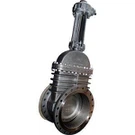
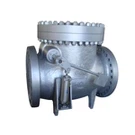
For instance, in a large - scale water treatment plant, Cast Steel Gate Valves are often used to control the flow of water. The full flow capacity of these valves ensures that water can be transferred efficiently from one stage of the treatment process to another, without any significant pressure drops.
2. Low Pressure Drop
Since gate valves offer a straight - through flow path, they result in a very low pressure drop across the valve. Pressure drop is the difference in pressure between the inlet and the outlet of a valve. A high pressure drop means that more energy is required to push the fluid or gas through the valve, which can increase operating costs.
In an industrial setting, where large volumes of fluids are being transported over long distances, minimizing pressure drop is crucial. Gate valves help achieve this goal. For example, in an oil pipeline that spans hundreds of miles, using gate valves can significantly reduce the energy needed to pump the oil. This not only saves money but also makes the operation more environmentally friendly.
3. Bi - Directional Flow
Gate valves can handle bi - directional flow, which means that the fluid or gas can flow through the valve in either direction. This is a great advantage in systems where the flow direction may change. For example, in a heating and cooling system, the direction of the fluid flow may need to be reversed depending on whether the system is in heating or cooling mode.
A flat gate valve is particularly well - suited for bi - directional flow applications. Its simple design allows it to seal effectively in both flow directions, ensuring reliable operation regardless of the flow orientation.
4. Tight Shut - Off
When it comes to shutting off the flow completely, gate valves are hard to beat. The gate of a gate valve is designed to form a tight seal against the valve seats when it is fully closed. This tight shut - off prevents any leakage of the fluid or gas, which is essential in many applications.
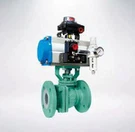
In a chemical processing plant, where hazardous chemicals are being handled, a reliable shut - off valve is a must. A Ceramic Lined Gate Valve can provide an excellent seal, even when dealing with corrosive or abrasive chemicals. The ceramic lining protects the valve from damage, ensuring long - term tight shut - off performance.
5. Durability
Gate valves are known for their durability. They are typically made from robust materials such as cast iron, cast steel, or stainless steel, which can withstand high pressures, high temperatures, and corrosive environments.
In the oil and gas industry, where valves are exposed to harsh conditions, gate valves are a popular choice. They can operate reliably in offshore platforms, refineries, and pipelines, even in the presence of corrosive substances like saltwater and sulfur compounds. The durability of gate valves means that they require less frequent maintenance and replacement, which can save a lot of money in the long run.
6. Simple Design
The design of gate valves is relatively simple compared to some other types of valves. They consist of a few basic components, such as the valve body, gate, stem, and bonnet. This simplicity makes gate valves easy to install, operate, and maintain.
For small - scale businesses or DIY enthusiasts, the simplicity of gate valves is a major plus. They can easily install and replace these valves without the need for specialized tools or extensive technical knowledge. In addition, the straightforward design also makes it easier to troubleshoot any problems that may arise.
7. Wide Range of Sizes and Materials
Gate valves are available in a wide range of sizes, from very small valves used in residential plumbing to large - diameter valves used in industrial pipelines. This means that you can find a gate valve that is suitable for your specific application, regardless of the flow rate or pipe size.


Moreover, gate valves can be made from different materials to suit different operating conditions. For example, if you need a valve for a high - temperature application, you can choose a valve made from a heat - resistant material like stainless steel. If corrosion is a concern, a valve with a corrosion - resistant coating or a ceramic - lined valve may be the best option.
8. Cost - Effective
Overall, gate valves are a cost - effective solution for many applications. Their initial purchase price is often lower compared to some other types of valves with similar performance capabilities. In addition, the low pressure drop, long service life, and low maintenance requirements of gate valves result in lower operating costs over time.
For a small business or a project with a limited budget, choosing gate valves can be a smart financial decision. You can get a reliable valve that meets your needs without breaking the bank.
Conclusion
As you can see, gate valves offer a wide range of advantages, from full flow capacity and low pressure drop to tight shut - off and durability. Whether you're in the water treatment industry, oil and gas sector, or any other field that requires fluid or gas control, gate valves are definitely worth considering.
If you're interested in purchasing gate valves for your project, I'd love to have a chat with you. We can discuss your specific requirements and find the perfect gate valve solution for you. Don't hesitate to reach out and start the conversation!
References
- Valve Handbook: Principles and Applications by Cameron International Corporation
- Industrial Valves: Selection and Sizing by Milton Beychok