

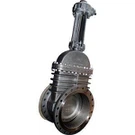
Gate valves are widely used in various industries due to their ability to provide a full bore opening, which allows for minimal flow restriction when fully open. As a gate valve supplier, I've had extensive experience with these valves, understanding their strengths and limitations. While gate valves offer many advantages, it's essential to be aware of their disadvantages to make informed decisions in valve selection.
1. Slow Operation
One of the most significant disadvantages of gate valves is their slow operation. Unlike ball valves or butterfly valves, which can be opened or closed with a quarter - turn, gate valves require multiple turns of the handwheel or actuator to move the gate up or down. This slow operation can be a problem in applications where quick shut - off is required. For example, in emergency situations such as a pipeline rupture or a sudden increase in pressure, a gate valve may not be able to close fast enough to prevent significant damage.
In industries like the oil and gas sector, where rapid response to potential hazards is crucial, the slow operation of gate valves can be a major drawback. A delay in shutting off the flow can lead to spills, environmental damage, and endanger the safety of workers. Even in non - emergency situations, slow operation can be inefficient. In a manufacturing process where frequent valve adjustments are needed, the time taken to operate a gate valve can add up, reducing overall productivity.
2. Limited Throttling Capability
Gate valves are not designed for throttling applications. When a gate valve is partially open, the fluid flow creates a high - velocity stream that can cause erosion and vibration on the gate and seat. The gate is typically a flat or wedge - shaped disc, and when it is not fully open or closed, the fluid flow can create turbulent eddies around the edges of the gate. This turbulence can lead to cavitation, which is the formation and collapse of vapor bubbles in the fluid. Cavitation can cause pitting and erosion on the valve components, reducing their lifespan and potentially leading to valve failure.
Moreover, the uneven flow distribution caused by partial opening of a gate valve can result in inaccurate flow control. In applications where precise flow regulation is required, such as in chemical processing or water treatment plants, gate valves are not the best choice. For throttling purposes, other types of valves like globe valves or ball valves are more suitable as they are designed to handle partial - opening conditions more effectively.
3. High Maintenance Requirements
Gate valves often have high maintenance requirements. The moving parts of a gate valve, such as the stem, gate, and seat, are exposed to the fluid being handled. Depending on the nature of the fluid, these parts can be subject to corrosion, erosion, and wear. For example, in a pipeline carrying abrasive slurries, the gate and seat of a gate valve can be quickly worn down, requiring frequent replacement.
The packing around the stem of a gate valve is another area that requires regular maintenance. The packing is used to prevent leakage around the stem, but over time, it can dry out, become brittle, or be damaged by the fluid. This can lead to external leakage, which not only wastes the fluid but can also be a safety hazard, especially if the fluid is toxic or flammable.
In addition, the complexity of gate valve design can make maintenance tasks more difficult. The internal components of a gate valve are often difficult to access, especially in large - sized valves or those installed in hard - to - reach locations. This can increase the time and cost associated with maintenance and repair.
4. Susceptibility to Jamming
Gate valves are prone to jamming, especially in applications where the fluid contains solid particles or debris. When solid particles get trapped between the gate and seat, they can prevent the gate from closing properly or cause it to get stuck in an open or partially open position. This can be a significant problem in industries such as mining, pulp and paper, and wastewater treatment, where the fluid often contains suspended solids.


Even in relatively clean fluid systems, jamming can occur due to corrosion or deformation of the valve components. For example, if the stem of a gate valve becomes corroded, it may not be able to move the gate smoothly, leading to jamming. Once a gate valve is jammed, it can be difficult to repair without disassembling the valve, which can be time - consuming and costly.
5. Large Installation Space
Gate valves typically require more installation space compared to other types of valves. The linear movement of the gate requires a certain amount of clearance above or below the valve body. In addition, the handwheel or actuator used to operate the gate valve also adds to the overall space requirements. This can be a problem in applications where space is limited, such as in offshore platforms or in compact industrial plants.
The large size of gate valves can also make them more difficult to install and handle. Transporting and positioning a large - sized gate valve can be a challenging task, requiring specialized equipment and trained personnel. Moreover, the additional space required for installation can increase the overall cost of the piping system, as more space - consuming support structures may be needed.
6. Sealing Issues
Achieving a reliable seal can be a challenge with gate valves. The seal between the gate and seat is critical to prevent leakage, but factors such as wear, corrosion, and improper installation can affect the sealing performance. In some cases, the gate may not make full contact with the seat due to manufacturing tolerances or damage to the valve components. This can result in external or internal leakage.
External leakage can be a safety and environmental concern, especially if the fluid being handled is hazardous. Internal leakage can reduce the efficiency of the system by allowing fluid to bypass the valve, leading to inaccurate flow measurements and potentially affecting the performance of downstream equipment. For applications where zero - leakage is required, such as in high - pressure or high - temperature systems, gate valves may not be the most reliable option. However, some advanced types of gate valves, such as the Bellow Sealed Gate Valve, are designed to address sealing issues more effectively. The bellow seal provides an additional barrier to prevent leakage around the stem, improving the overall sealing performance of the valve.
7. Cost
Gate valves can be relatively expensive, especially when considering the cost of installation, maintenance, and replacement. The materials used in gate valves, such as high - grade metals for the gate, seat, and body, can contribute to the high cost. In addition, the complex design and manufacturing process of gate valves, especially those with special features like anti - corrosion coatings or high - pressure ratings, can increase the price.
The high maintenance requirements of gate valves also add to the long - term cost. Frequent replacement of worn - out components and the cost of labor for maintenance and repair can make gate valves a costly choice over their lifespan. When compared to other types of valves with similar flow - handling capabilities, gate valves may not always offer the best cost - effectiveness, especially in applications where the disadvantages outweigh the advantages.
Despite these disadvantages, gate valves still have their place in many industries. They are suitable for applications where full - flow or on - off service is required, such as in pipeline isolation. If you are in need of a gate valve for your specific application, we offer a wide range of gate valves, including Ceramic Lined Gate Valve and flat gate valve. Our team of experts can help you select the most appropriate valve based on your requirements. If you have any questions or would like to discuss your valve needs further, please feel free to contact us for procurement and negotiation.
References
- Crane Co., "Flow of Fluids Through Valves, Fittings, and Pipe", Technical Paper No. 410.
- Spirax Sarco, "Valve Selection Guide".
- Valve Manufacturers Association of America, "Valve Standards and Technical Information".