

As a supplier of Knife Gate Valves, I've seen these valves in action across various industries, from mining and pulp and paper to wastewater treatment. They're known for their simplicity and effectiveness in handling thick, abrasive, and fibrous slurries. But like any mechanical device, they're not immune to failure. In this blog, I'll walk you through the common failure modes of Knife Gate Valves and how you can avoid them.
1. Seat and Seal Wear
One of the most frequent issues we encounter is wear on the seats and seals of the Knife Gate Valve. These components are crucial for maintaining a tight shut - off and preventing leakage. When dealing with abrasive slurries, the constant flow of solid particles can erode the seat and seal materials over time.
For instance, in a mining operation where the slurry contains sharp - edged minerals, the valve seats can wear down quickly. The valve's gate, which slides across the seats, exacerbates this wear as it moves in and out during the opening and closing cycles.
To mitigate this problem, we offer different types of valves with specialized seat and seal materials. For example, our Ceramic knife gate valve is a great option for highly abrasive applications. The ceramic material is extremely hard and resistant to wear, providing a longer service life compared to traditional materials.
2. Gate Damage
The gate is the heart of the Knife Gate Valve. It's responsible for opening and closing the flow path. Gate damage can occur due to several reasons.
First, improper installation can lead to misalignment of the gate. If the valve isn't installed correctly, the gate may not slide smoothly between the seats, causing it to bind or get stuck. This can result in bent or damaged gates.
Second, the nature of the media can also cause gate damage. In applications where the slurry contains large particles or debris, these can get trapped between the gate and the seats. When the valve tries to close, the gate may forcefully hit these obstacles, leading to dents or cracks in the gate.
Our Metal Seated Knife Gate Valve is designed to handle more demanding applications. The metal construction of the gate and seats provides better durability and can withstand the impact of larger particles to some extent.
3. Actuator Failure
Actuators are used to open and close the Knife Gate Valve. They can be manual, electric, pneumatic, or hydraulic. Actuator failure is another common problem.
Manual actuators can wear out over time, especially if they're used frequently. The gears or levers may become loose or damaged, making it difficult to operate the valve.
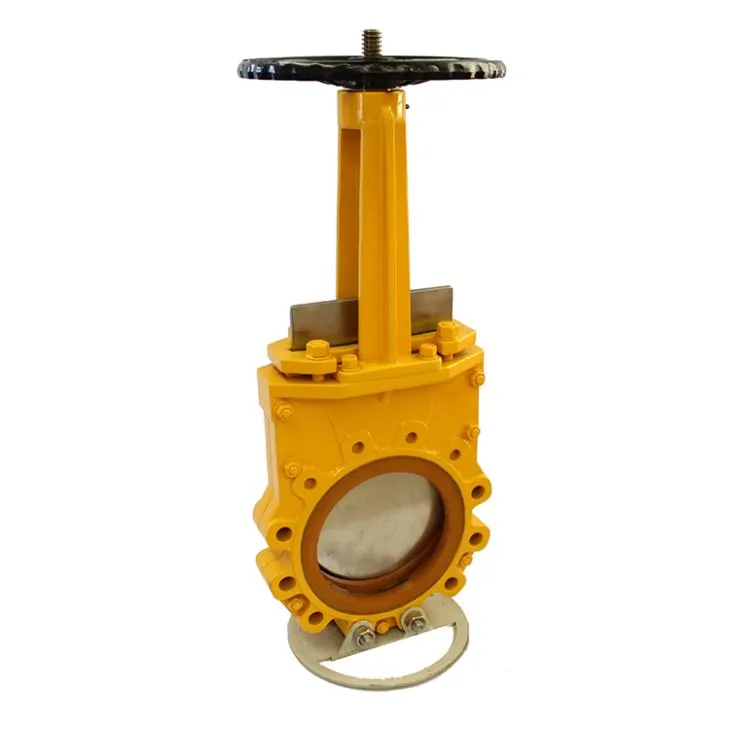

Electric actuators can face issues such as motor burnout. This can happen if the actuator is overloaded or if there are electrical problems in the system.
Pneumatic and hydraulic actuators rely on air or fluid pressure to operate. Leaks in the air or fluid lines, damaged seals, or problems with the pressure regulators can all lead to actuator failure.
To ensure reliable operation, we provide high - quality actuators with our Knife Gate Valves. We also offer regular maintenance and inspection services to catch any potential actuator problems early.
4. Corrosion
Corrosion is a significant concern, especially in applications where the valve is exposed to corrosive chemicals or environments. For example, in wastewater treatment plants, the valve may come into contact with acids, alkalis, and other corrosive substances.
Over time, corrosion can weaken the valve's structure, leading to leaks and eventual failure. It can also affect the performance of the seats, seals, and gate, reducing the valve's ability to provide a tight shut - off.
We offer Urethan knife gate valve which has a urethane lining. The urethane material is highly resistant to corrosion, protecting the valve from the harmful effects of corrosive media.
5. Build - up and Plugging
In some applications, the media flowing through the valve can build up inside the valve body. This is common in industries where the slurry contains sticky or fibrous materials, such as the pulp and paper industry.
The build - up can restrict the movement of the gate, making it difficult to open or close the valve. It can also reduce the flow capacity of the valve, affecting the overall efficiency of the system.
To prevent build - up and plugging, we design our valves with smooth internal surfaces. We also offer options for self - cleaning valves, which use the flow of the media to flush out any debris or build - up.
How to Avoid These Failures
- Proper Selection: Choose the right type of Knife Gate Valve for your application. Consider factors such as the nature of the media (abrasive, corrosive, etc.), the operating pressure and temperature, and the flow rate.
- Regular Maintenance: Schedule regular inspections and maintenance of the valves. This includes checking the seats, seals, gate, and actuator for wear and damage. Replace any worn - out parts promptly.
- Correct Installation: Ensure that the valve is installed correctly according to the manufacturer's instructions. Proper alignment is crucial for the smooth operation of the valve.
If you're facing issues with your Knife Gate Valves or are in the market for a new one, don't hesitate to reach out. We're here to help you select the right valve for your needs and provide support throughout its lifecycle. Whether you need a Ceramic knife gate valve for abrasive applications or a Urethan knife gate valve for corrosive environments, we've got you covered. Let's start a conversation about your valve requirements and find the best solution together.
References
- "Valve Handbook: Principles and Applications" by J. R. A. Pearson
- "Industrial Valves: Selection, Specification, and Installation" by R. W. Miller