

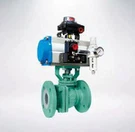
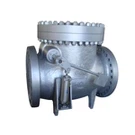
Hey there! As a supplier of globe valves, I've seen firsthand how crucial it is to keep these valves in top - notch condition. A well - maintained globe valve not only ensures smooth operation but also extends its lifespan, saving you time and money in the long run. So, let's dive into how to maintain a globe valve.


Regular Inspection
The first step in maintaining a globe valve is regular inspection. You should check your valve frequently, especially if it's in a high - use or high - stress environment. Look for signs of wear and tear, like cracks, corrosion, or leaks. Inspect the valve body, stem, and seat. A small crack can turn into a big problem if left unattended.
The valve stem is a critical part. Make sure it moves smoothly. If there's any stiffness or resistance, it could indicate a problem. You can also check the packing around the stem. The packing is what prevents leaks around the stem. If it's worn out, it might need to be replaced.
Cleaning
Cleaning your globe valve is essential. Over time, dirt, debris, and other contaminants can build up inside the valve, affecting its performance. Use a suitable cleaning agent to remove any buildup. For light dirt, a simple soap and water solution might do the trick. But for more stubborn deposits, you may need a specialized industrial cleaner.
When cleaning, be gentle. You don't want to damage any delicate parts of the valve. After cleaning, make sure to rinse the valve thoroughly to remove all traces of the cleaning agent.
Lubrication
Lubrication is key to ensuring the smooth operation of a globe valve. The moving parts, such as the stem and the actuator, need proper lubrication to reduce friction. Use a high - quality lubricant recommended for valve applications.
Apply the lubricant according to the manufacturer's instructions. Too much lubricant can attract dirt and debris, while too little won't provide enough protection. Regular lubrication will help prevent premature wear and keep the valve functioning optimally.
Tightening and Adjusting
Periodically, you need to check the tightness of the valve's bolts and nuts. Vibration and normal use can cause them to loosen over time. Use a torque wrench to ensure that they are tightened to the correct specifications.
You may also need to adjust the valve's settings. For example, you might need to adjust the opening and closing positions to ensure proper flow control. This is especially important if the valve is used in a system where precise flow regulation is required.
Specific Types of Globe Valves
Now, let's talk about some specific types of globe valves and their maintenance requirements.
Pressure Seal Globe Valve
The Pressure Seal Globe Valve is designed for high - pressure applications. Due to the high - pressure environment, it's even more important to keep a close eye on its maintenance. The pressure seal design means that any leaks can be extremely dangerous. Regularly check the pressure seal integrity. Look for signs of leakage around the seal area. If you notice any leaks, it's crucial to address them immediately.
Bellow Sealed Globe Valve
The Bellow Sealed Globe Valve has a unique bellows design that provides a hermetic seal. This design helps prevent leakage, especially in applications where the fluid being controlled is hazardous. When maintaining this type of valve, pay special attention to the bellows. Check for any signs of damage, such as cracks or holes. A damaged bellows can compromise the valve's sealing ability.
Straight Globe Valve
The Straight Globe Valve is a common type of globe valve. It has a relatively simple design, but that doesn't mean it requires less maintenance. Check the valve seat regularly. The seat is where the valve disc makes contact to stop the flow. If the seat is worn or damaged, it can cause leakage.
Documentation and Record - Keeping
It's a good idea to keep detailed records of your globe valve maintenance. Document when inspections were done, what was found, and what actions were taken. This will help you track the valve's history and identify any recurring problems.
You can also use this documentation to plan future maintenance. For example, if you notice that a particular valve needs more frequent lubrication, you can schedule it accordingly.
Training and Safety
Make sure that anyone who is involved in the maintenance of the globe valves is properly trained. Valve maintenance can be dangerous, especially if you're working on a valve that is still under pressure. Follow all safety procedures and use the appropriate personal protective equipment (PPE).
When to Replace Parts
Despite your best efforts at maintenance, there will come a time when you need to replace certain parts of the globe valve. If a part is severely worn, damaged, or no longer functioning properly, it's time to replace it.
Common parts that may need replacement include the valve disc, seat, stem, and packing. Always use genuine replacement parts from a reputable supplier to ensure compatibility and performance.
Conclusion
Maintaining a globe valve is a combination of regular inspection, cleaning, lubrication, and adjustment. By following these steps, you can keep your globe valves in excellent condition and avoid costly breakdowns.
If you're in the market for high - quality globe valves or need more information on valve maintenance, don't hesitate to reach out. We're here to help you with all your globe valve needs. Whether you're looking for a Pressure Seal Globe Valve, a Bellow Sealed Globe Valve, or a Straight Globe Valve, we've got you covered. Contact us for a purchase consultation, and let's work together to find the best valve solutions for your applications.
References
- Valve Maintenance Handbook
- Manufacturer's Manuals for Globe Valves