

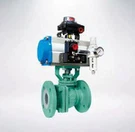
In cold environments, the freezing of fully welded ball valves can lead to various operational issues, including valve malfunction, pipeline blockage, and even system failures. As a reliable fully welded ball valve supplier, we understand the challenges posed by freezing conditions and are committed to providing effective solutions. This blog will delve into the causes of valve freezing and offer practical prevention strategies.
Understanding the Causes of Freezing in Fully Welded Ball Valves
Before discussing prevention methods, it's crucial to understand why fully welded ball valves freeze in cold environments. The primary cause is the presence of water within the valve or the pipeline. When the temperature drops below the freezing point of water (0°C or 32°F), the water turns into ice, which expands and can cause significant damage to the valve components.
Water can enter the valve through various means. It may be present in the fluid being transported through the pipeline, or it can seep into the valve due to poor sealing or condensation. Additionally, if the valve is installed in an area with high humidity, moisture can accumulate on the valve surface and inside the valve cavity, increasing the risk of freezing.
Another factor that can contribute to valve freezing is the lack of proper insulation. Without adequate insulation, the valve is more exposed to the cold environment, and the heat transfer from the valve to the surroundings is accelerated, making it easier for the water inside the valve to freeze.
Prevention Strategies
1. Insulation
Insulating the fully welded ball valve is one of the most effective ways to prevent freezing. Insulation materials can reduce the heat transfer between the valve and the cold environment, keeping the valve temperature above the freezing point. There are various types of insulation materials available, such as fiberglass, foam rubber, and mineral wool.
When choosing insulation materials, consider their thermal conductivity, durability, and resistance to moisture. Fiberglass insulation is a popular choice due to its low thermal conductivity and high temperature resistance. Foam rubber insulation is also a good option as it is flexible and easy to install. Mineral wool insulation is known for its fire resistance and sound absorption properties.
The insulation should cover the entire valve body, including the stem, bonnet, and flanges. Make sure the insulation is properly installed and sealed to prevent any gaps or air leaks. Additionally, consider insulating the pipeline connected to the valve to further reduce heat loss.
2. Heat Tracing
Heat tracing is another effective method to prevent valve freezing. Heat tracing involves installing heating cables or tapes along the valve and pipeline to provide a constant source of heat. The heat tracing system can be controlled by a thermostat to maintain the desired temperature.
There are two main types of heat tracing systems: self-regulating and constant wattage. Self-regulating heat tracing cables adjust their power output based on the temperature, which helps to prevent overheating. Constant wattage heat tracing cables provide a fixed amount of heat, regardless of the temperature.
When installing heat tracing, make sure the cables or tapes are properly sized and installed according to the manufacturer's instructions. The heat tracing system should be installed in a way that ensures even heat distribution along the valve and pipeline. Additionally, regular maintenance and inspection of the heat tracing system are necessary to ensure its proper functioning.
3. Drainage
Ensuring proper drainage is essential to prevent water from accumulating inside the valve. Install drain valves at the lowest points of the valve and pipeline to allow for the removal of any water that may collect. Regularly check and operate the drain valves to ensure they are functioning properly.
In addition to drain valves, consider installing a moisture separator or filter upstream of the valve to remove any moisture from the fluid before it enters the valve. This can help reduce the amount of water that may come into contact with the valve components.
4. Anti - Freeze Agents
Using anti - freeze agents can also help prevent valve freezing. Anti - freeze agents can lower the freezing point of water, making it less likely to freeze in cold environments. There are various types of anti - freeze agents available, such as ethylene glycol and propylene glycol.
When using anti - freeze agents, make sure they are compatible with the valve materials and the fluid being transported. Follow the manufacturer's instructions regarding the proper dosage and application of the anti - freeze agents.
5. Monitoring and Maintenance
Regular monitoring and maintenance of the fully welded ball valve are crucial to prevent freezing. Install temperature sensors on the valve and pipeline to monitor the temperature. If the temperature approaches the freezing point, appropriate measures can be taken, such as increasing the heat output of the heat tracing system or draining the water.
In addition to temperature monitoring, conduct regular inspections of the valve for any signs of damage, leakage, or blockage. Check the insulation and heat tracing system for any signs of wear or damage. Replace any damaged components promptly to ensure the proper functioning of the valve.
Types of Fully Welded Ball Valves and Their Suitability in Cold Environments
As a fully welded ball valve supplier, we offer a variety of ball valve types, each with its own characteristics and suitability in different applications.
The Trunnion Mounted Ball Valve is designed for high - pressure and large - diameter applications. In cold environments, its robust construction and reliable sealing performance make it a suitable choice. The trunnion design provides additional support to the ball, reducing the operating torque and ensuring smooth operation even in cold conditions.
The Ball Valve Floating Type is a simple and cost - effective option. It is suitable for low - to medium - pressure applications. In cold environments, proper insulation and heat tracing are particularly important for floating ball valves to prevent freezing and ensure proper sealing.
The V Port Ball Valve is commonly used for throttling applications. Its V - shaped ball provides better flow control and linear flow characteristics. In cold environments, the V port ball valve should be protected with insulation and heat tracing to prevent freezing and maintain its flow control performance.
Conclusion
Preventing the freezing of fully welded ball valves in cold environments is essential for ensuring the reliable operation of industrial systems. By implementing effective prevention strategies such as insulation, heat tracing, drainage, and the use of anti - freeze agents, and by choosing the appropriate valve type, the risk of valve freezing can be significantly reduced.
As a leading fully welded ball valve supplier, we are dedicated to providing high - quality valves and comprehensive solutions to meet your needs in cold environments. If you are interested in our products or need further advice on preventing valve freezing, please feel free to contact us for procurement and negotiation. We look forward to working with you to ensure the smooth operation of your systems.


References
- ASME B16.34 - Valves - Flanged, Threaded, and Welding End
- API 6D - Specification for Pipeline Valves
- ISO 17292 - Petroleum, petrochemical and natural gas industries - Ball valves