

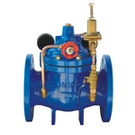
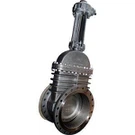
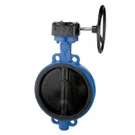

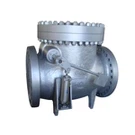
Hey there! As a supplier of Straight Globe Valves, I've seen firsthand how important it is to keep these valves well - lubricated. In this blog, I'm gonna walk you through the process of lubricating a straight globe valve, so you can ensure its smooth operation and longevity.
Why Lubrication Matters
Before we dive into the how - to, let's talk about why lubricating a straight globe valve is a big deal. Lubrication reduces friction between moving parts. In a straight globe valve, there are components like the stem, the disc, and the packing that move against each other during operation. Without proper lubrication, this friction can lead to wear and tear, which in turn can cause leaks, reduced efficiency, and even valve failure.
Moreover, lubrication helps to protect the valve from corrosion. A good lubricant forms a protective barrier between the metal parts of the valve and the surrounding environment, preventing rust and other forms of corrosion that can compromise the valve's integrity.
Tools and Lubricants You'll Need
First things first, gather the necessary tools and lubricants. You'll need a few basic tools like a wrench to remove any access covers or nuts, a clean cloth to wipe the parts, and a brush or a grease gun to apply the lubricant.
When it comes to lubricants, there are different types available, and the choice depends on the specific application and the operating conditions of the valve. For general use, a high - quality silicone - based or petroleum - based grease works well. These greases offer good lubrication properties and can withstand a wide range of temperatures. However, if the valve is used in a food - processing or pharmaceutical application, you'll need a food - grade lubricant to ensure compliance with safety standards.
Step - by - Step Lubrication Process
Step 1: Preparation
Before you start lubricating the valve, make sure the valve is in the closed position and the system is depressurized. This is crucial for your safety and to prevent any accidental release of fluids. Also, isolate the valve from the power source if it's an actuated valve.


Step 2: Access the Lubrication Points
Most straight globe valves have specific lubrication points, which are usually marked on the valve body. Use a wrench to remove any covers or caps that are blocking access to these points. Be careful not to damage the covers or the valve body while doing this.
Step 3: Clean the Parts
Once you have access to the lubrication points, use a clean cloth to wipe away any dirt, debris, or old lubricant from the parts. This is important because any contaminants can mix with the new lubricant and reduce its effectiveness. Pay special attention to the stem, the disc, and the packing area.
Step 4: Apply the Lubricant
Now it's time to apply the lubricant. If you're using a brush, dip it into the lubricant and apply a thin, even layer to the moving parts. Make sure to cover all the areas that experience friction, such as the stem threads and the contact surfaces between the disc and the seat.
If you're using a grease gun, insert the appropriate nozzle into the lubrication point and pump the grease until you see a small amount of fresh lubricant oozing out. This ensures that the old lubricant is being displaced by the new one.
Step 5: Reassemble the Valve
After applying the lubricant, carefully replace the access covers or caps and tighten them using the wrench. Make sure they are properly sealed to prevent any leakage of the lubricant or the process fluid.
Step 6: Test the Valve
Once the valve is reassembled, test its operation. Open and close the valve a few times to ensure that it moves smoothly. Check for any signs of leakage or abnormal noise. If everything seems okay, the valve is now properly lubricated and ready for use.
Special Considerations for Different Types of Globe Valves
We offer different types of globe valves, such as Pressure Seal Globe Valve, Straight Globe Valve, and Bellow Sealed Globe Valve. Each type may have some specific lubrication requirements.
For pressure seal globe valves, which are often used in high - pressure applications, it's important to use a lubricant that can withstand the high pressures. Some high - pressure lubricants are formulated with special additives to provide better protection under extreme conditions.
Bellow sealed globe valves have a bellows assembly that requires special attention. The bellows should be lubricated with a light - weight lubricant to ensure its flexibility and prevent any damage. Make sure not to over - lubricate the bellows, as this can cause the lubricant to accumulate and interfere with the valve's operation.
Maintenance Schedule
To keep your straight globe valve in top condition, it's important to have a regular maintenance schedule. The frequency of lubrication depends on the operating conditions of the valve. For valves that are used continuously or in harsh environments, lubrication may be required every few months. For valves that are used less frequently, lubrication once or twice a year may be sufficient.
In addition to lubrication, regular inspections should be carried out to check for any signs of wear, corrosion, or leakage. Any issues should be addressed promptly to prevent further damage to the valve.
Conclusion
Lubricating a straight globe valve is a relatively simple process, but it's crucial for the valve's performance and longevity. By following the steps outlined in this blog and considering the special requirements of different valve types, you can ensure that your valve operates smoothly and efficiently.
If you're in the market for high - quality straight globe valves or need more information about valve lubrication and maintenance, don't hesitate to reach out to us. We're here to help you find the right solutions for your specific needs. Whether you're a small - scale operation or a large industrial facility, we've got the expertise and the products to meet your requirements. Contact us today to start a discussion about your valve needs and let's work together to keep your systems running smoothly.
References
- Valve Handbook, Second Edition by Robert W. McKetta
- Practical Guide to Valve Maintenance by John Doe