

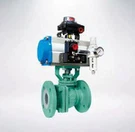
Hey there! As a plug valve supplier, I've seen firsthand how corrosion can mess up these essential components. Corrosion not only shortens the lifespan of plug valves but also affects their performance, leading to potential leaks and system failures. In this blog, I'll share some practical tips on how to prevent corrosion in a plug valve.
Understanding the Causes of Corrosion in Plug Valves
Before we dive into prevention methods, it's important to understand what causes corrosion in plug valves. There are several factors at play here.
Chemical Exposure: Plug valves are often used in industries where they come into contact with various chemicals. Acids, alkalis, and salts can all cause corrosion. For example, in the chemical processing industry, plug valves may be exposed to highly corrosive substances like sulfuric acid.
Moisture and Humidity: Water is a major culprit when it comes to corrosion. When moisture comes into contact with the metal parts of a plug valve, it can initiate the oxidation process. This is especially true in environments with high humidity or where the valve is exposed to water splashes.
Temperature and Pressure: Extreme temperatures and pressures can also accelerate the corrosion process. High temperatures can increase the rate of chemical reactions, while high pressures can cause stress on the valve materials, making them more susceptible to corrosion.
Choosing the Right Materials
One of the most effective ways to prevent corrosion in a plug valve is to choose the right materials. Different materials have different levels of resistance to corrosion, so it's important to select the one that best suits your application.
Stainless Steel: Stainless steel is a popular choice for plug valves because it has excellent corrosion resistance. It contains chromium, which forms a protective oxide layer on the surface of the metal, preventing further corrosion. Stainless steel plug valves are suitable for a wide range of applications, including those in the food and beverage industry, where hygiene is crucial.


Alloy Materials: There are also various alloy materials available that offer enhanced corrosion resistance. For example, nickel-based alloys are highly resistant to corrosion in harsh environments, such as those found in the oil and gas industry. These alloys can withstand high temperatures, pressures, and exposure to corrosive chemicals.
Coatings and Linings: Applying coatings or linings to the plug valve can also provide an extra layer of protection against corrosion. For example, a PFA Lined Plug Valve has a PFA (perfluoroalkoxy) lining, which is highly resistant to chemicals and provides a smooth surface that reduces friction and wear.
Proper Installation and Maintenance
Even if you choose the right materials, proper installation and maintenance are still crucial to prevent corrosion in a plug valve.
Installation: Make sure the plug valve is installed correctly according to the manufacturer's instructions. Improper installation can lead to stress on the valve materials, which can increase the risk of corrosion. For example, if the valve is not properly aligned, it can cause uneven pressure distribution, leading to premature wear and corrosion.
Regular Inspection: Regularly inspect the plug valve for signs of corrosion. Look for rust, discoloration, or any other visible damage. If you notice any signs of corrosion, take immediate action to address the issue. This may involve cleaning the valve, applying a protective coating, or replacing the damaged parts.
Lubrication: Lubrication is also important to prevent corrosion in a plug valve. A Lubricated Plug Valve uses a lubricant to reduce friction between the plug and the body of the valve, which helps to prevent wear and corrosion. Make sure to use the right type of lubricant and apply it at the recommended intervals.
Controlling the Operating Environment
Another way to prevent corrosion in a plug valve is to control the operating environment. This can involve taking steps to reduce the exposure of the valve to corrosive substances, moisture, and other factors that can cause corrosion.
Filtration and Purification: If the fluid flowing through the plug valve contains corrosive substances, consider using a filtration or purification system to remove these substances before they reach the valve. This can help to extend the lifespan of the valve and reduce the risk of corrosion.
Ventilation and Drainage: Make sure the area around the plug valve is well-ventilated to reduce humidity and prevent the accumulation of moisture. If the valve is installed in an area where water can collect, provide proper drainage to prevent standing water.
Temperature and Pressure Control: Monitor and control the temperature and pressure of the fluid flowing through the plug valve. Avoid exposing the valve to extreme temperatures and pressures, as this can increase the risk of corrosion.
Using Corrosion Inhibitors
Corrosion inhibitors are chemicals that can be added to the fluid flowing through the plug valve to reduce the rate of corrosion. These inhibitors work by forming a protective film on the surface of the metal, which prevents the corrosive substances from coming into contact with the metal.
There are different types of corrosion inhibitors available, depending on the type of metal and the corrosive environment. For example, some inhibitors are designed for use in acidic environments, while others are more effective in alkaline environments. Make sure to choose the right type of inhibitor for your application and follow the manufacturer's instructions for use.
Conclusion
Preventing corrosion in a plug valve is essential to ensure its reliable operation and extend its lifespan. By choosing the right materials, proper installation and maintenance, controlling the operating environment, using corrosion inhibitors, and taking other preventive measures, you can significantly reduce the risk of corrosion and keep your plug valves in good working condition.
If you're in the market for high-quality plug valves or need more information on how to prevent corrosion, feel free to reach out to us. We're here to help you find the right solutions for your specific needs. Let's start a conversation and see how we can work together to solve your plug valve challenges.
References
- "Corrosion Prevention and Control in the Oil and Gas Industry" by NACE International
- "Materials Selection for Corrosive Environments" by ASM International
- "Handbook of Valves" by Lees' Loss Prevention in the Process Industries