

Maintaining a knife gate valve is crucial for ensuring its optimal performance and longevity, especially in industrial applications where these valves play a vital role in controlling the flow of various substances. As a trusted knife gate valve supplier, we understand the importance of proper maintenance, and in this blog, we'll share some valuable insights on how to maintain a knife gate valve effectively.
Understanding the Basics of a Knife Gate Valve
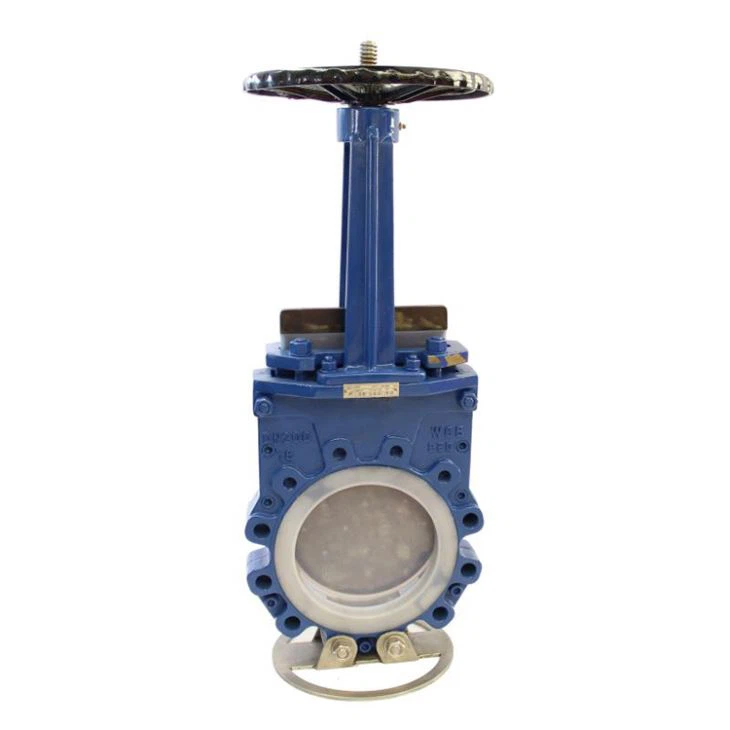
Before delving into maintenance procedures, it's essential to have a basic understanding of what a knife gate valve is and how it operates. A knife gate valve is a type of valve that uses a flat gate with a sharp edge (the "knife") to cut through media such as slurries, viscous fluids, and solids-laden liquids. These valves are commonly used in industries like mining, wastewater treatment, pulp and paper, and chemical processing.
There are different types of knife gate valves available, each designed to suit specific applications. For instance, the Slurry Knife Gate Valve is specifically engineered to handle abrasive slurries, while the Ceramic knife gate valve offers excellent resistance to wear and corrosion. The resilient seated knife gate valve provides a tight seal and is suitable for applications where leakage prevention is critical.

Regular Inspection
Regular inspection is the first step in maintaining a knife gate valve. Visual inspections should be conducted frequently to check for any signs of wear, damage, or leakage. Here are some key areas to focus on during an inspection:
- Valve Body: Examine the valve body for cracks, dents, or corrosion. Pay special attention to areas where the valve is exposed to harsh chemicals or abrasive media. Any signs of damage should be addressed immediately to prevent further deterioration.
- Gate: Inspect the gate for wear, especially along the cutting edge. A worn gate may not provide a proper seal, leading to leakage. If the gate shows significant wear, it may need to be replaced.
- Seals and Gaskets: Check the seals and gaskets for signs of damage or deterioration. Leaking seals can cause process inefficiencies and may lead to environmental hazards. Replace any damaged seals or gaskets promptly.
- Actuator: If the valve is equipped with an actuator, inspect it for proper operation. Check for any signs of leaks, loose connections, or mechanical problems. Ensure that the actuator is properly lubricated and that all moving parts are functioning smoothly.
Cleaning
Proper cleaning is essential to prevent the buildup of debris, sediment, and other contaminants inside the valve. Over time, these deposits can cause the valve to stick or malfunction. Here's how you can clean a knife gate valve:
- Isolate the Valve: Before cleaning the valve, make sure it is isolated from the system to prevent any accidental release of media. Close the upstream and downstream valves and relieve any pressure in the valve.
- Remove the Gate: If possible, remove the gate from the valve body to access all internal surfaces. Use a soft brush or cloth to clean the gate and the valve body thoroughly. Remove any debris, scale, or corrosion from the surfaces.
- Flush the Valve: Once the gate is removed, flush the valve body with a suitable cleaning solution. The choice of cleaning solution depends on the type of media the valve has been handling. For example, if the valve has been used for handling slurries, a water-based cleaning solution may be sufficient. If the valve has been exposed to chemicals, a specialized cleaning agent may be required.
- Reassemble the Valve: After cleaning, dry the gate and the valve body thoroughly. Reassemble the valve, making sure all components are properly aligned and tightened.
Lubrication
Lubrication is crucial for ensuring smooth operation of the valve and preventing premature wear. The moving parts of the valve, such as the stem, gate, and actuator, should be lubricated regularly. Here are some tips for lubricating a knife gate valve:
- Choose the Right Lubricant: Select a lubricant that is compatible with the valve materials and the media the valve is handling. For example, if the valve is used in a food processing application, a food-grade lubricant should be used.
- Apply the Lubricant Correctly: Apply the lubricant to the appropriate areas of the valve, such as the stem threads, the gate guides, and the actuator components. Use a lubrication gun or a brush to apply the lubricant evenly.
- Follow the Manufacturer's Recommendations: Refer to the manufacturer's instructions for the recommended lubrication intervals and procedures. Over-lubrication can be just as harmful as under-lubrication, so it's important to follow the guidelines carefully.
Actuator Maintenance
If the knife gate valve is equipped with an actuator, proper maintenance of the actuator is essential for the overall performance of the valve. Here are some maintenance tips for actuators:
- Electrical Actuators: If the actuator is electrically powered, check the electrical connections regularly for any signs of loose wires or corrosion. Inspect the motor and control circuitry for proper operation. Ensure that the actuator is protected from moisture and dust.
- Pneumatic Actuators: For pneumatic actuators, check the air supply for proper pressure and cleanliness. Inspect the air lines for any leaks or blockages. Lubricate the pneumatic components as recommended by the manufacturer.
- Hydraulic Actuators: If the actuator is hydraulic, check the hydraulic fluid level and quality regularly. Replace the hydraulic fluid as recommended by the manufacturer. Inspect the hydraulic lines for any leaks or damage.
Troubleshooting
Despite regular maintenance, knife gate valves may still experience problems from time to time. Here are some common problems and their possible solutions:
- Leakage: If the valve is leaking, check the seals and gaskets for damage. Replace any damaged seals or gaskets. If the leakage persists, the gate may be worn or damaged and may need to be replaced.
- Sticking: A sticking valve may be caused by debris buildup, lack of lubrication, or mechanical problems. Clean the valve thoroughly and apply lubricant to the moving parts. If the problem persists, check for any mechanical obstructions or misalignments.
- Actuator Failure: If the actuator fails to operate, check the power supply, electrical connections, or air supply (depending on the type of actuator). Inspect the actuator for any mechanical problems or damage. If necessary, contact a qualified technician for repair or replacement.
Conclusion
Proper maintenance of a knife gate valve is essential for ensuring its reliable operation, extending its service life, and preventing costly downtime. By following the tips outlined in this blog, you can keep your knife gate valves in optimal condition. As a leading knife gate valve supplier, we are committed to providing high-quality valves and comprehensive support to our customers. If you have any questions about knife gate valve maintenance or if you're interested in purchasing a new valve, please don't hesitate to contact us for further discussion and procurement opportunities.
References
- Valve Handbook, 4th Edition by J. S. Ludwig
- Industrial Valves: Selection, Specification, and Installation by R. A. Smith