

Hey there! As a gate valve supplier, I often get asked about the materials used to make gate valves. Well, there's a whole range of stuff that goes into these important components, and I'm gonna break it down for you.
Common Metals for Gate Valves
Cast Iron
Cast iron is one of the oldest and most widely used materials for gate valves. It's affordable and has good corrosion resistance in many environments. The process of making cast - iron gate valves involves melting iron and pouring it into a mold. This gives the valve a sturdy structure. You'll often find cast - iron gate valves in water supply systems, especially in older buildings. They're reliable for low - pressure applications where the flow of water is the main concern.
Ductile Iron
Ductile iron is an upgrade from regular cast iron. It has better ductility, which means it can bend a bit without breaking. This makes it more suitable for applications where there might be some vibration or movement. Ductile - iron gate valves are commonly used in municipal water and sewage systems. They can handle higher pressures compared to cast - iron valves and are more resistant to cracking under stress.
Carbon Steel
Carbon steel is a popular choice for gate valves in industrial settings. It's strong and can withstand high pressures and temperatures. Carbon - steel gate valves are used in oil and gas pipelines, refineries, and power plants. The carbon content in the steel gives it its strength, but it also makes it more prone to corrosion. So, often these valves are coated or painted to protect them from rust. For example, in an oil pipeline, a carbon - steel gate valve can control the flow of crude oil under high pressure, ensuring that the oil is transported safely from one point to another.
Stainless Steel
Stainless steel is great for applications where corrosion is a major concern. It contains chromium, which forms a protective layer on the surface of the valve, preventing rust and other forms of corrosion. Stainless - steel gate valves are used in food and beverage industries, chemical processing plants, and marine applications. In a food - processing plant, a stainless - steel gate valve can be used to control the flow of liquids without contaminating the product, as it won't corrode and release harmful substances.

Specialized Materials
Alloy Steel
Alloy steel is made by adding other elements like nickel, molybdenum, or vanadium to carbon steel. This gives the steel enhanced properties such as better strength at high temperatures or improved corrosion resistance. Alloy - steel gate valves are used in high - temperature and high - pressure applications, like in steam systems. The addition of these elements allows the valve to maintain its integrity even under extreme conditions.
Brass
Brass is a copper - zinc alloy. It's easy to machine and has good corrosion resistance, especially in water applications. Brass gate valves are often used in plumbing systems in residential and commercial buildings. They're relatively inexpensive and can provide reliable service for controlling the flow of water. For instance, in a small apartment building, brass gate valves can be used to control the water supply to individual units.
Non - Metallic Materials
PVC (Polyvinyl Chloride)
PVC is a type of plastic that is lightweight, inexpensive, and resistant to corrosion. PVC gate valves are commonly used in irrigation systems, swimming pool plumbing, and some low - pressure water applications. They're easy to install and don't require much maintenance. In an irrigation system, a PVC gate valve can be used to control the flow of water to different sections of a garden or farm.
PTFE (Polytetrafluoroethylene)
PTFE, also known as Teflon, is a synthetic fluoropolymer. It has excellent chemical resistance and a low coefficient of friction. PTFE is often used as a seat material in gate valves. The low friction allows the gate to move smoothly, reducing wear and tear on the valve. In chemical processing plants, a gate valve with a PTFE seat can handle corrosive chemicals without getting damaged.
Materials for Different Types of Gate Valves
Pressure Seal Gate Valve
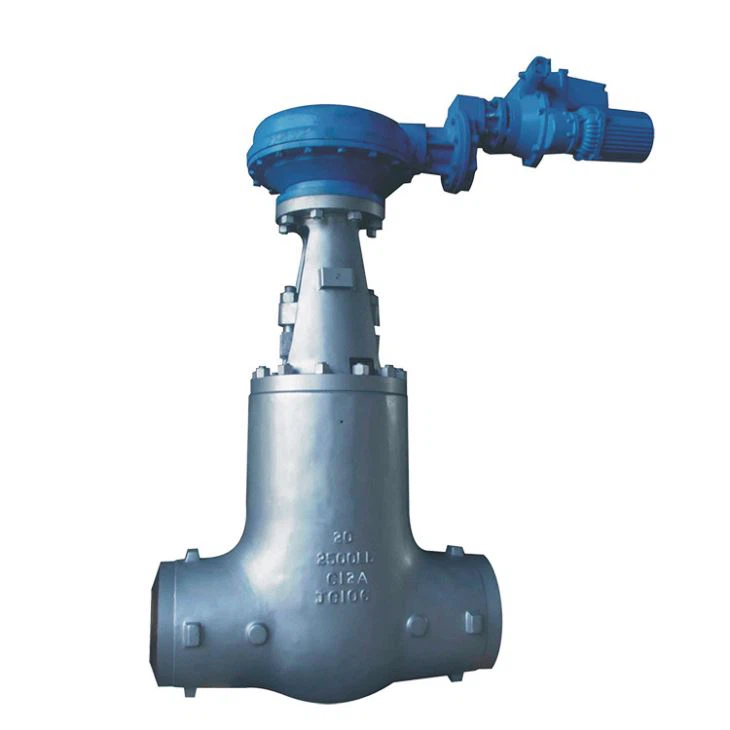
The Pressure Seal Gate Valve is designed for high - pressure applications. These valves are often made of high - strength materials like alloy steel. The pressure - seal design allows the valve to maintain a tight seal even under extremely high pressures. In a high - pressure steam pipeline in a power plant, a pressure - seal gate valve made of alloy steel can ensure that there are no leaks, which is crucial for safety and efficiency.
Bellow Sealed Gate Valve
Bellow Sealed Gate Valve is used in applications where leakage prevention is of utmost importance. The bellows are usually made of stainless steel. The stainless - steel bellows provide a flexible and reliable seal, preventing the leakage of fluids. In a chemical plant where toxic or hazardous chemicals are being handled, a bellow - sealed gate valve can prevent the escape of these chemicals into the environment.
Flat Bottom Brake Seat
The Flat Bottom Brake Seat is a type of gate - valve seat design. The seat material can vary depending on the application. For low - pressure water applications, it could be made of rubber or a soft plastic. In high - pressure industrial applications, it might be made of a hard metal like stainless steel or alloy steel. The flat - bottom design provides a good sealing surface for the gate, ensuring a tight shut - off.
Choosing the Right Material
When it comes to choosing the material for a gate valve, several factors need to be considered. The first is the operating environment. If the valve is going to be used in a corrosive environment, then a material like stainless steel or a non - metallic material like PVC might be a good choice. The pressure and temperature of the system also play a crucial role. High - pressure and high - temperature applications require strong materials like carbon steel or alloy steel.
The type of fluid being handled is another important factor. If it's a food product, then a material that won't contaminate the product, like stainless steel, is necessary. For abrasive fluids, a hard - wearing material might be needed.
Wrapping Up
So, as you can see, there's a wide variety of materials used to make gate valves. Each material has its own set of properties and is suitable for different applications. Whether you're in the water industry, oil and gas, or chemical processing, there's a gate valve made of the right material for your needs.
If you're looking to purchase gate valves for your project, I'm here to help. I can offer you a range of gate valves made from different materials to suit your specific requirements. Don't hesitate to reach out and start a conversation about your valve needs. Let's work together to find the perfect gate valves for your application.
References
- ASM Handbook Committee. (2004). ASM Handbook Volume 1: Properties and Selection: Irons, Steels, and High - Performance Alloys. ASM International.
- Perry, R. H., & Green, D. W. (1997). Perry's Chemical Engineers' Handbook. McGraw - Hill.