

Hey there! As a supplier of Pressure Seal Gate Valves, I've seen firsthand how important it is for these valves to last as long as possible. In this blog post, I'm gonna share some tips on how to extend the lifespan of a Pressure Seal Gate Valve.
1. Proper Installation
The first step in ensuring a long - lasting Pressure Seal Gate Valve is proper installation. If the valve isn't installed correctly, it can lead to all sorts of problems down the line.
First off, make sure you've got the right size valve for your system. A valve that's too small or too big won't work efficiently and can wear out faster. When installing, pay close attention to the alignment. Misaligned valves can cause uneven stress on the components, which can lead to premature failure.
Also, use the right gaskets and seals. High - quality gaskets are essential for preventing leaks. A leaky valve not only wastes resources but can also corrode the valve and its surrounding parts. And don't forget to tighten the bolts to the manufacturer's recommended torque. Over - or under - tightening can cause issues with the valve's performance.
2. Regular Maintenance
Regular maintenance is key to extending the lifespan of any valve, and Pressure Seal Gate Valves are no exception.
Inspection
You should conduct regular inspections of the valve. Check for signs of wear and tear, such as corrosion, scratches, or cracks. Look at the stem, the gate, and the seats. If you notice any issues early on, you can take action before they turn into major problems. For example, if you see a small scratch on the gate, you might be able to have it repaired instead of having to replace the whole valve.
Cleaning
Cleaning the valve is also important. Over time, dirt, debris, and other contaminants can build up inside the valve. This can cause the valve to stick or not operate smoothly. Use a suitable cleaning agent to remove any buildup. Make sure to follow the manufacturer's instructions when using cleaning agents to avoid damaging the valve.
Lubrication
Proper lubrication of the valve's moving parts is crucial. Lubrication reduces friction, which in turn reduces wear and tear. Use a high - quality lubricant recommended by the valve manufacturer. Apply the lubricant to the stem, the gate, and any other moving parts at regular intervals.
3. Operating Conditions
The operating conditions of the valve can have a big impact on its lifespan.
Temperature and Pressure
Make sure the valve is operating within its specified temperature and pressure limits. If the valve is exposed to temperatures or pressures that are too high or too low, it can cause damage to the valve's components. For example, high - pressure conditions can cause the valve seats to deform, leading to leaks.
Fluid Compatibility
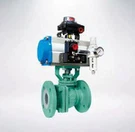
The fluid flowing through the valve also matters. Some fluids can be corrosive or abrasive, which can damage the valve. Make sure the valve is made of materials that are compatible with the fluid it will be handling. If you're dealing with a particularly harsh fluid, you might want to consider a Ceramic Lined Gate Valve. These valves are designed to resist corrosion and abrasion, which can significantly extend their lifespan.
Flow Rate
The flow rate of the fluid through the valve should also be within the recommended range. A flow rate that's too high can cause excessive wear on the valve components, while a flow rate that's too low might not allow the valve to operate properly.
4. Training for Operators
Operators play a crucial role in the lifespan of the Pressure Seal Gate Valve. If they don't know how to operate the valve correctly, it can lead to unnecessary wear and tear.
Provide proper training for all operators. They should know how to open and close the valve smoothly, without using excessive force. They should also be aware of the operating limits of the valve and what to do in case of an emergency. For example, if there's a sudden increase in pressure, they should know how to shut down the valve safely.
5. Upgrades and Retrofits
As technology advances, there may be opportunities to upgrade or retrofit your Pressure Seal Gate Valve.
New Seats and Seals
Replacing old seats and seals with newer, more advanced ones can improve the valve's performance and extend its lifespan. Newer seat materials may be more resistant to wear and corrosion, which can reduce the likelihood of leaks.
Automation
Automating the valve can also be beneficial. Automated valves can be programmed to operate at the optimal times and under the right conditions. This can reduce the risk of human error and ensure that the valve is used efficiently. For example, an automated valve can be set to open and close based on the flow rate or pressure in the system.
6. Storage
If the valve is going to be stored for an extended period, proper storage is essential.
Clean and Dry
Before storing the valve, make sure it's clean and dry. Remove any dirt, debris, or moisture from the valve. This can prevent corrosion from occurring during storage.
Protection
Store the valve in a protected environment. It should be kept away from extreme temperatures, humidity, and direct sunlight. You might also want to cover the valve to protect it from dust and other contaminants.


Conclusion
Extending the lifespan of a Pressure Seal Gate Valve requires a combination of proper installation, regular maintenance, attention to operating conditions, operator training, upgrades, and proper storage. By following these tips, you can ensure that your valve lasts as long as possible, saving you time and money in the long run.
If you're in the market for a Pressure Seal Gate Valve or need advice on valve maintenance, don't hesitate to reach out. We're here to help you find the best solutions for your needs. Whether you're looking for a flat gate valve or a Flat Bottom Brake Seat, we've got you covered. Let's have a chat and see how we can work together to meet your valve requirements.
References
- Valve Manufacturer's Manuals
- Industry Standards for Valve Maintenance and Operation
- Technical Papers on Valve Lifespan and Performance