

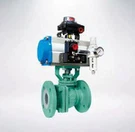
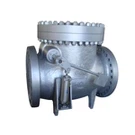
As a trusted API Gate Valve supplier, I understand the critical importance of corrosion resistance in ensuring the long - term performance and reliability of our products. Corrosion can significantly reduce the lifespan of gate valves, leading to leaks, malfunctions, and potentially costly repairs or replacements. In this blog, I will share some effective strategies to enhance the corrosion resistance of API Gate Valves.
Material Selection
One of the most fundamental steps in enhancing corrosion resistance is choosing the right materials for the gate valve. Different materials have varying degrees of resistance to different types of corrosion.
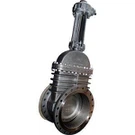
- Stainless Steel: Stainless steel is a popular choice for API Gate Valves due to its excellent corrosion resistance. It contains chromium, which forms a passive oxide layer on the surface of the metal. This layer acts as a barrier, preventing oxygen and moisture from reaching the underlying metal and causing corrosion. For example, 316 stainless steel, which contains molybdenum, offers even better resistance to pitting and crevice corrosion in chloride - containing environments. Cast Steel Gate Valves are also available in stainless steel variants, providing a good balance between strength and corrosion resistance.
- Alloy Materials: In more aggressive environments, alloy materials can be used. For instance, nickel - based alloys such as Hastelloy are highly resistant to a wide range of corrosive chemicals, including acids and alkalis. These alloys are often used in applications where the gate valve is exposed to high - temperature and high - pressure corrosive fluids.
Surface Treatment
Surface treatment is another effective way to enhance the corrosion resistance of API Gate Valves.
- Coating: Applying a protective coating to the surface of the gate valve can create a physical barrier between the metal and the corrosive environment. Epoxy coatings are commonly used as they are resistant to a variety of chemicals and can provide long - term protection. Powder coatings are also a good option as they offer a uniform and durable finish. The coating process typically involves cleaning the surface of the valve thoroughly to remove any contaminants, followed by applying the coating using methods such as spraying or dipping.
- Galvanizing: Galvanizing is a process of coating the metal with a layer of zinc. Zinc acts as a sacrificial anode, corroding in place of the underlying metal. This method is particularly effective in protecting against atmospheric corrosion. However, it may not be suitable for all environments, especially those with high levels of acidity or alkalinity.
Design Optimization
The design of the API Gate Valve can also play a crucial role in enhancing its corrosion resistance.
- Avoiding Crevices: Crevices can trap corrosive fluids, leading to crevice corrosion. When designing the gate valve, it is important to minimize the number of crevices. For example, using Flat Bottom Brake Seat designs can reduce the likelihood of fluid entrapment and subsequent corrosion.
- Proper Drainage and Venting: Ensuring proper drainage and venting in the valve design can prevent the accumulation of corrosive fluids. This is especially important in applications where the valve is exposed to liquids that can cause corrosion. Drain holes can be incorporated into the valve body to allow any trapped fluid to escape.
Maintenance and Inspection
Regular maintenance and inspection are essential for maintaining the corrosion resistance of API Gate Valves.
- Cleaning: Regularly cleaning the valve can remove any dirt, debris, or corrosive substances that may have accumulated on the surface. This can be done using mild detergents and soft brushes. Avoid using abrasive materials that can damage the protective coating or the surface of the valve.
- Inspection: Conducting regular inspections can help detect early signs of corrosion. Visual inspections can be carried out to check for any signs of rust, pitting, or coating damage. Non - destructive testing methods such as ultrasonic testing or magnetic particle testing can also be used to detect internal corrosion that may not be visible to the naked eye. If any corrosion is detected, appropriate measures should be taken immediately, such as repairing the coating or replacing damaged components.
Environmental Control
Controlling the environment in which the API Gate Valve operates can also help enhance its corrosion resistance.
- pH Control: In applications where the corrosive fluid has a high or low pH, adjusting the pH of the fluid can reduce the corrosive effect. For example, adding a neutralizing agent to an acidic fluid can raise its pH to a more neutral level, reducing the likelihood of corrosion.
- Temperature and Pressure Control: High temperatures and pressures can accelerate the corrosion process. By controlling the temperature and pressure within the recommended operating range of the gate valve, the corrosion rate can be significantly reduced.
Compatibility with Fluid Media
It is crucial to ensure that the API Gate Valve is compatible with the fluid media it will be exposed to. Different fluids have different chemical properties, and using a valve that is not compatible can lead to rapid corrosion.
- Chemical Analysis: Before selecting a gate valve, conduct a thorough chemical analysis of the fluid media. This analysis should include information about the composition, pH, temperature, and pressure of the fluid. Based on this information, the appropriate valve material and design can be selected.
- Testing: In some cases, it may be necessary to conduct testing of the valve in the actual fluid media. This can help verify the compatibility of the valve and identify any potential corrosion issues before the valve is installed in the system.
In conclusion, enhancing the corrosion resistance of API Gate Valves requires a comprehensive approach that includes material selection, surface treatment, design optimization, maintenance and inspection, environmental control, and ensuring compatibility with the fluid media. By implementing these strategies, we can provide our customers with high - quality gate valves that offer long - term performance and reliability in even the most challenging environments.
If you are interested in our API Gate Valves or have any questions about enhancing their corrosion resistance, we welcome you to contact us for further discussion and procurement negotiation.


References
- Fontana, M. G. (1986). Corrosion Engineering. McGraw - Hill.
- Uhlig, H. H., & Revie, R. W. (1985). Corrosion and Corrosion Control. Wiley - Interscience.