

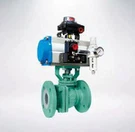
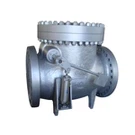
As a seasoned supplier of top entry ball valves, I've witnessed firsthand the critical role these components play in the marine environment. The marine environment is a harsh and unforgiving place, characterized by high humidity, saltwater exposure, and extreme temperature variations. These conditions pose significant challenges to the durability and performance of equipment, especially valves. In this blog post, I'll delve into the corrosion-resistant requirements for top entry ball valves in a marine environment, drawing on my years of experience and industry knowledge.
Understanding the Marine Environment
The marine environment is a complex ecosystem that encompasses a wide range of conditions, from the open ocean to coastal waters. Each of these environments presents unique challenges to the corrosion resistance of top entry ball valves. In the open ocean, valves are exposed to high levels of saltwater spray, which can cause rapid corrosion if not properly protected. Coastal waters, on the other hand, may contain additional contaminants such as sediment, pollutants, and marine organisms, which can further accelerate the corrosion process.
Corrosion Mechanisms in the Marine Environment
Corrosion in the marine environment is primarily driven by electrochemical reactions between the metal surface of the valve and the surrounding electrolyte (saltwater). There are several types of corrosion that can occur in this environment, including:
- Uniform Corrosion: This is the most common type of corrosion in the marine environment, characterized by a relatively even loss of material across the entire surface of the valve. Uniform corrosion is typically caused by the direct contact of the metal with saltwater, which forms a thin layer of metal oxide on the surface. Over time, this layer can break down, exposing the underlying metal to further corrosion.
- Pitting Corrosion: Pitting corrosion is a localized form of corrosion that occurs when small pits or holes form on the surface of the valve. This type of corrosion is often caused by the presence of chloride ions in the saltwater, which can penetrate the protective oxide layer and initiate corrosion at specific points on the metal surface. Pitting corrosion can be particularly dangerous because it can lead to the rapid failure of the valve, even if the overall corrosion rate is relatively low.
- Crevice Corrosion: Crevice corrosion occurs in narrow gaps or crevices between two metal surfaces, such as the joint between the valve body and the bonnet. In these areas, the flow of oxygen and electrolyte is restricted, creating an environment that is conducive to corrosion. Crevice corrosion can be difficult to detect and prevent, as it often occurs in areas that are not easily accessible for inspection.
- Galvanic Corrosion: Galvanic corrosion occurs when two different metals are in contact with each other in the presence of an electrolyte. In this situation, the more reactive metal (the anode) will corrode preferentially, while the less reactive metal (the cathode) will be protected. Galvanic corrosion can be a significant problem in the marine environment, as valves are often made of different metals or alloys, and may be in contact with other metal components in the system.
Corrosion-Resistant Materials for Top Entry Ball Valves
To ensure the long-term performance and reliability of top entry ball valves in the marine environment, it is essential to select materials that are resistant to corrosion. Some of the most commonly used materials for marine valves include:
- Stainless Steel: Stainless steel is a popular choice for marine valves due to its excellent corrosion resistance, strength, and durability. There are several different grades of stainless steel available, each with its own unique properties and applications. For example, 316L stainless steel is a low-carbon version of 316 stainless steel, which is commonly used in marine applications due to its superior resistance to pitting and crevice corrosion.
- Duplex Stainless Steel: Duplex stainless steel is a type of stainless steel that contains both austenitic and ferritic phases. This unique microstructure gives duplex stainless steel excellent strength, corrosion resistance, and weldability. Duplex stainless steel is often used in marine applications where high strength and corrosion resistance are required, such as in offshore oil and gas platforms.
- Nickel-Based Alloys: Nickel-based alloys are another popular choice for marine valves, particularly in applications where high temperature, high pressure, or aggressive chemicals are present. These alloys offer excellent corrosion resistance, as well as good mechanical properties and high temperature stability. Some of the most commonly used nickel-based alloys for marine valves include Inconel, Monel, and Hastelloy.
- Coatings: In addition to using corrosion-resistant materials, coatings can also be applied to the surface of the valve to provide an additional layer of protection against corrosion. There are several different types of coatings available, including epoxy coatings, polyurethane coatings, and ceramic coatings. These coatings can help to prevent the direct contact of the metal surface with the saltwater, and can also provide a barrier against other contaminants and pollutants.
Design Considerations for Corrosion Resistance
In addition to selecting the appropriate materials, the design of the top entry ball valve can also have a significant impact on its corrosion resistance. Some of the key design considerations for marine valves include:
- Smooth Surfaces: Smooth surfaces are less likely to accumulate dirt, debris, and other contaminants, which can contribute to corrosion. Therefore, it is important to design valves with smooth internal and external surfaces, and to avoid sharp edges or corners that can trap moisture and promote corrosion.
- Proper Drainage: Proper drainage is essential to prevent the accumulation of water and other fluids in the valve, which can lead to corrosion. Valves should be designed with drainage holes or channels to allow any accumulated water to drain away, and should be installed in a position that allows for proper drainage.
- Sealing Design: The sealing design of the valve is also critical to its corrosion resistance. A good seal will prevent the ingress of saltwater and other contaminants into the valve, and will help to maintain the integrity of the internal components. Valves should be designed with high-quality seals and gaskets, and should be tested to ensure that they provide a reliable seal under all operating conditions.
- Avoiding Galvanic Coupling: As mentioned earlier, galvanic corrosion can be a significant problem in the marine environment. To avoid this, it is important to select materials that are compatible with each other, and to avoid using different metals or alloys in direct contact with each other. If it is necessary to use different metals, a suitable insulating material should be used to separate them.
Testing and Certification
To ensure that top entry ball valves meet the required corrosion-resistant standards for the marine environment, they should be tested and certified by a recognized third-party organization. Some of the most common tests and certifications for marine valves include:
- Salt Spray Testing: Salt spray testing is a widely used method for evaluating the corrosion resistance of materials and coatings. In this test, the valve is exposed to a saltwater spray for a specified period of time, and the extent of corrosion is then evaluated. Salt spray testing can provide valuable information about the performance of the valve in a marine environment, but it should be noted that it is a laboratory test and may not accurately reflect the actual conditions in the field.
- Immersion Testing: Immersion testing involves immersing the valve in a saltwater solution for a specified period of time, and then evaluating the extent of corrosion. This test can provide more realistic results than salt spray testing, as it simulates the actual conditions in the marine environment. However, immersion testing is more time-consuming and expensive than salt spray testing, and may not be practical for all applications.
- Certification Standards: There are several different certification standards available for marine valves, including ISO 9001, API 6D, and ASTM. These standards specify the requirements for the design, manufacture, testing, and certification of valves for use in the marine environment. By ensuring that their valves meet these standards, manufacturers can provide customers with confidence in the quality and performance of their products.
Conclusion
In conclusion, the corrosion-resistant requirements for top entry ball valves in the marine environment are complex and demanding. To ensure the long-term performance and reliability of these valves, it is essential to select materials that are resistant to corrosion, to design the valves with proper drainage and sealing, and to test and certify them to meet the required standards. As a supplier of top entry ball valves, I am committed to providing my customers with high-quality products that are designed and manufactured to meet the most demanding requirements of the marine environment.


If you are in the market for top entry ball valves for your marine application, I encourage you to contact me to discuss your specific needs. I would be happy to provide you with more information about our products and services, and to help you select the right valve for your application.
References
- ASM Handbook, Volume 13A: Corrosion: Fundamentals, Testing, and Protection. ASM International, 2003.
- Corrosion Control in the Oil and Gas Industry. NACE International, 2007.
- Marine Corrosion: Mechanisms and Prevention. Elsevier, 2008.
- Valves for the Oil and Gas Industry. Wiley, 2010.