

Hey there! As a supplier of Knife Gate Valves, I often get asked a bunch of questions about our products. One of the most common ones is, "Can a Knife Gate Valve be used for corrosive fluids?" Well, let's dive right into this topic and find out.
First off, let's understand what a Knife Gate Valve is. It's a type of valve that has a blade - like gate that slides down to cut through the media and shut off the flow. These valves are known for their simplicity, durability, and ability to handle thick and abrasive fluids. But when it comes to corrosive fluids, things get a bit more complicated.
Corrosive fluids can be a real pain in the neck for valves. They can eat away at the valve materials, causing leaks, reduced performance, and ultimately, valve failure. So, the big question is, can our Knife Gate Valves stand up to the challenge?
The answer is yes, but it depends on a few factors. The first factor is the type of corrosive fluid. Different corrosive substances have different levels of aggressiveness. For example, mild acids like acetic acid are less corrosive compared to strong acids like sulfuric acid. Similarly, some alkalis can be more corrosive than others.
Another important factor is the concentration of the corrosive fluid. A highly concentrated corrosive solution will be much more damaging to the valve than a diluted one. Temperature also plays a role. Higher temperatures generally increase the rate of corrosion.
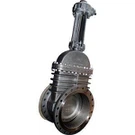
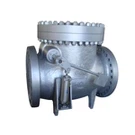
Now, let's talk about the materials used in Knife Gate Valves. We offer a variety of valve materials to handle different types of corrosive fluids. One popular option is the Metal Seated Knife Gate Valve. These valves are made with metal seats that can provide good resistance to certain corrosive fluids. For instance, stainless steel is a common material used in metal - seated valves. It has decent corrosion resistance against many acids and alkalis, especially at lower concentrations and temperatures.
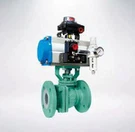
However, for more aggressive corrosive environments, we might need to look at other options. That's where the Ceramic knife gate valve comes in. Ceramics are known for their excellent corrosion resistance. They can withstand highly corrosive acids, alkalis, and even some abrasive slurries. The ceramic lining in these valves acts as a protective barrier between the corrosive fluid and the valve body, ensuring a long service life.

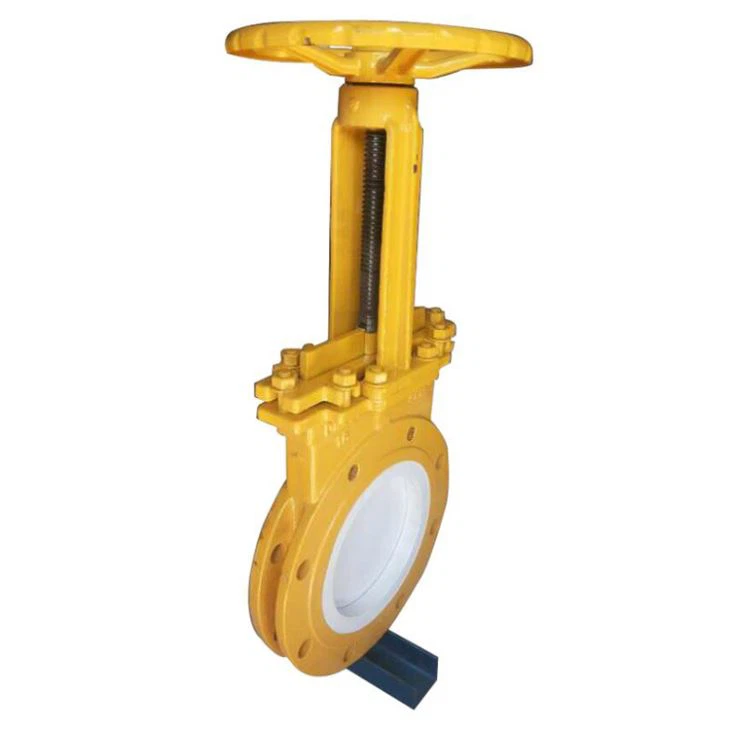
If you're dealing with a slurry that also has some corrosive properties, our Slurry Gate Valve could be a great choice. These valves are designed to handle thick, abrasive slurries while also providing some level of corrosion resistance. They often have special coatings or linings that protect the valve from both abrasion and corrosion.
But it's not just about the valve materials. Proper installation and maintenance are also crucial when using Knife Gate Valves for corrosive fluids. Make sure the valve is installed correctly according to the manufacturer's instructions. Regular inspections and maintenance can help detect any signs of corrosion early on. You might need to replace seals, gaskets, or other components periodically to keep the valve in good working condition.
Let's take a look at some real - world examples. In the chemical industry, where there are all sorts of corrosive fluids, Knife Gate Valves are widely used. For example, in a plant that produces hydrochloric acid, a ceramic - lined Knife Gate Valve can be used to control the flow of the acid. The ceramic lining protects the valve from the highly corrosive nature of hydrochloric acid, ensuring reliable operation.
In the mining industry, where slurries often contain corrosive elements along with abrasive particles, Slurry Gate Valves are a popular choice. These valves can handle the tough conditions in mines, providing a long - lasting solution for flow control.
So, to sum it up, Knife Gate Valves can definitely be used for corrosive fluids. But you need to choose the right valve material based on the type, concentration, and temperature of the corrosive fluid. And don't forget about proper installation and maintenance.
If you're in the market for a Knife Gate Valve for your corrosive fluid application, we're here to help. We have a team of experts who can assist you in selecting the right valve for your specific needs. Whether it's a Metal Seated Knife Gate Valve, a Ceramic knife gate valve, or a Slurry Gate Valve, we've got you covered.
Contact us to start a discussion about your requirements. We're eager to work with you to find the perfect valve solution for your corrosive fluid handling needs. Let's make sure your operations run smoothly and efficiently with the right Knife Gate Valve.
References:
- Valves Handbook, various industry publications on valve technology and corrosion resistance.
- Chemical Engineering Journal articles on valve applications in corrosive environments.