

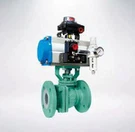
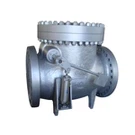
The flow rate is a critical parameter in fluid control systems, and its impact on the performance of flat or slab gate valves cannot be overstated. As a leading supplier of flat or slab gate valves, we have witnessed firsthand how different flow rates can affect the functionality, durability, and overall efficiency of these valves. In this blog, we will delve into the relationship between flow rate and the performance of flat or slab gate valves, exploring the various aspects that are influenced by this crucial factor.
1. Understanding Flat or Slab Gate Valves
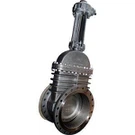
Before we discuss the impact of flow rate, it's essential to understand what flat or slab gate valves are. These valves are designed with a flat gate that slides perpendicular to the flow path to either block or allow the passage of fluid. They are commonly used in various industries, including oil and gas, water treatment, and chemical processing, due to their simple design, low pressure drop, and ability to provide a tight shut - off.
2. Impact of Flow Rate on Valve Operation
2.1 Pressure Drop
One of the primary effects of flow rate on flat or slab gate valves is the pressure drop across the valve. As the flow rate increases, the pressure drop also tends to increase. This is because higher flow rates result in greater fluid velocity, which in turn causes more frictional losses within the valve. When the pressure drop becomes excessive, it can lead to increased energy consumption in the system, as pumps or compressors have to work harder to maintain the desired flow.
For example, in a high - flow pipeline system, if the flat or slab gate valve is not properly sized for the flow rate, the pressure drop can be significant. This not only wastes energy but can also affect the performance of other components in the system. As a supplier, we recommend carefully calculating the expected flow rate and selecting a valve with an appropriate size and design to minimize pressure drop.
2.2 Cavitation
Another important consideration is cavitation, which can occur at high flow rates. Cavitation happens when the local pressure of the fluid drops below its vapor pressure, causing the formation of vapor bubbles. These bubbles then collapse when they move to a region of higher pressure, creating shockwaves that can damage the valve internals.
In flat or slab gate valves, cavitation can erode the gate and seat surfaces, leading to leakage and reduced valve life. To mitigate the risk of cavitation, we offer API6A Gate Valve, which are designed to handle high - pressure and high - flow applications. These valves are built with materials and geometries that can withstand the forces associated with cavitation.
3. Flow Rate and Valve Sealing
3.1 Sealing Integrity
The flow rate can also have a significant impact on the sealing integrity of flat or slab gate valves. At low flow rates, the valve can usually provide a tight seal. However, as the flow rate increases, the forces acting on the gate can become more significant, potentially causing the gate to shift or deform slightly. This can lead to leakage around the valve seat, compromising the sealing performance.
Our Bellow Sealed Gate Valve is an excellent solution for applications where sealing integrity is crucial, even at high flow rates. The bellow seal provides an additional layer of protection against leakage, ensuring that the valve can maintain a tight shut - off under various flow conditions.
3.2 Wear and Tear
Higher flow rates can accelerate the wear and tear of the valve components, especially the gate and seat. The constant flow of fluid at high velocities can cause abrasion and erosion of these surfaces. For instance, in applications where the fluid contains solid particles, such as in mining or slurry handling, the wear can be even more severe.
To address this issue, we offer Ceramic Lined Gate Valve. The ceramic lining provides excellent resistance to abrasion and erosion, extending the service life of the valve, even in high - flow and high - particulate applications.
4. Flow Rate and Valve Actuation
4.1 Actuator Sizing
The flow rate also affects the sizing of the valve actuator. A higher flow rate means that the valve has to withstand greater forces, and therefore, a more powerful actuator may be required to open and close the valve smoothly. If the actuator is undersized, it may not be able to overcome the forces exerted by the flowing fluid, leading to incomplete valve operation.
As a supplier, we work closely with our customers to determine the appropriate actuator size based on the expected flow rate and other system parameters. This ensures that the valve can be operated reliably and efficiently.


4.2 Response Time
In some applications, a fast response time is crucial. High flow rates can make it more challenging for the valve to respond quickly to changes in the system. For example, in a process control system where the flow needs to be adjusted rapidly, a valve that is not designed to handle high flow rates may have a slow response time, which can affect the overall process efficiency.
Our advanced valve designs take into account the need for fast response times, even at high flow rates. We use innovative materials and actuator technologies to ensure that our valves can respond quickly to changes in the system.
5. Conclusion and Call to Action
In conclusion, the flow rate has a profound impact on the performance of flat or slab gate valves. It affects pressure drop, cavitation, sealing integrity, wear and tear, and valve actuation. As a supplier, we understand the importance of selecting the right valve for the specific flow rate and application. Our wide range of valves, including API6A Gate Valve, Bellow Sealed Gate Valve, and Ceramic Lined Gate Valve, are designed to meet the diverse needs of our customers in various industries.
If you are in the market for flat or slab gate valves and need expert advice on how to select the right valve for your flow rate requirements, we are here to help. Contact us today to start a discussion about your specific needs and explore the best valve solutions for your application.
References
- API Standard 6A, Specification for Wellhead and Christmas Tree Equipment.
- Valve Handbook, Kenneth E. Langeland.