

What is the difference between a metal seated ball valve and a regular ball valve?
In the realm of industrial valves, ball valves are a staple, known for their reliability and efficiency in controlling the flow of various media. However, within the category of ball valves, there are distinct types, each with its own set of characteristics and applications. Two commonly compared types are metal seated ball valves and regular ball valves. As a supplier of metal seated ball valves, I am well - versed in the nuances that set these two types apart, and I'm excited to share this knowledge with you.
1. Construction and Materials
The most obvious difference between a metal seated ball valve and a regular ball valve lies in their construction materials. A regular ball valve typically features a ball and seat made of materials like PTFE (polytetrafluoroethylene) or other polymers. PTFE is a popular choice due to its excellent chemical resistance, low friction coefficient, and ability to provide a tight seal even at low pressures. This makes regular ball valves suitable for a wide range of applications, including water treatment, food and beverage, and general industrial use where the media is relatively mild and the operating conditions are not overly harsh.
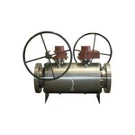
On the other hand, a metal seated ball valve has a ball and seat made of metal. Common metals used include stainless steel, alloy steel, and other high - performance alloys. The use of metal in the seating surface provides several advantages. Metal seats can withstand much higher temperatures than polymer seats. While PTFE seats may start to deform or degrade at temperatures around 260°C (500°F), metal seats can operate reliably at temperatures well above 500°C (932°F), making them ideal for applications in power generation, refineries, and other high - temperature processes.


2. Sealing Performance
Sealing performance is a critical factor in valve selection. Regular ball valves with polymer seats can offer excellent sealing at low to moderate pressures. The soft nature of the polymer allows it to conform to the surface of the ball, creating a tight seal that effectively prevents leakage. However, under high - pressure or high - temperature conditions, the polymer seat may experience extrusion or deformation, leading to a loss of sealing integrity.
Metal seated ball valves, in contrast, are designed to maintain their sealing performance under extreme conditions. The metal - to - metal contact between the ball and the seat can withstand high pressures and temperatures without significant deformation. This makes them suitable for applications where a zero - leakage seal is required, such as in the oil and gas industry, where even a small amount of leakage can have serious environmental and safety implications.
3. Wear Resistance
Another important difference is the wear resistance of the two types of ball valves. Regular ball valves with polymer seats are prone to wear, especially when the media contains abrasive particles. The soft polymer can be easily scratched or eroded by these particles, which can lead to a decrease in sealing performance over time.
Metal seated ball valves are much more wear - resistant. The hard metal surfaces can withstand the impact of abrasive media without significant damage. This makes them a better choice for applications involving slurries, abrasive powders, or other media that can cause rapid wear on polymer seats. For example, in mining operations, where the media often contains large amounts of abrasive particles, metal seated ball valves are commonly used to ensure long - term reliability.
4. Cost
Cost is always a consideration when choosing a valve. Regular ball valves are generally more cost - effective than metal seated ball valves. The materials used in regular ball valves are less expensive, and the manufacturing process is often simpler. This makes them a popular choice for applications where cost is a major factor and the operating conditions are not too demanding.
Metal seated ball valves, on the other hand, are more expensive due to the high - quality metals used and the more complex manufacturing processes required to ensure the proper fit and finish of the metal seats. However, the higher upfront cost is often justified by their longer service life and better performance under extreme conditions.
5. Applications
The differences in construction, sealing performance, wear resistance, and cost also lead to different applications for metal seated ball valves and regular ball valves.
Regular ball valves are commonly used in applications where the media is clean, the pressure and temperature are relatively low, and cost is a major concern. Some examples include domestic water systems, irrigation systems, and small - scale chemical processing plants.
Metal seated ball valves are used in more demanding applications. In the oil and gas industry, they are used in pipelines, refineries, and offshore platforms to control the flow of crude oil, natural gas, and other hydrocarbons. They are also widely used in power generation plants, both in fossil - fuel and nuclear power plants, to control the flow of steam, water, and other fluids at high temperatures and pressures.
We also offer a variety of specialized ball valves, such as the Top Entry Ball Valve, which is designed for easy maintenance and inspection, the DBB ball valve, which provides double - block and bleed functionality for enhanced safety, and the V Port Ball Valve, which is suitable for applications requiring precise flow control.
Conclusion
In conclusion, while both metal seated ball valves and regular ball valves belong to the same family of ball valves, they have significant differences in terms of construction, sealing performance, wear resistance, cost, and applications. As a supplier of metal seated ball valves, I understand the unique requirements of different industries and can help you choose the right valve for your specific application.
If you are in need of high - quality ball valves, whether it's a metal seated ball valve or a regular ball valve, I invite you to contact me for a detailed discussion. Our team of experts is ready to assist you in selecting the most suitable valve for your needs and providing you with competitive pricing and excellent after - sales service.
References
- Valve Handbook, Valve Manufacturers Association of America
- Industrial Valves: Selection and Sizing, Crane Co.
- Ball Valves: Principles and Applications, John Wiley & Sons